Comprehensive Guide to Choosing the Best Kids Motorcycle Helmets for Safety
Choosing the Right Kids Motorcycle Helmets: A Comprehensive Guide
Selecting the perfect kids motorcycle helmets is crucial for ensuring your child's safety and enjoyment. With a wide range of options available, it can be overwhelming to find the best fit. This guide will walk you through the essential factors to consider, covering safety standards, sizing, features, and popular choices. We'll help you navigate the market and make an informed decision to protect your little rider. Prioritizing safety is paramount when it comes to motorcycles, and a properly fitted helmet is the first line of defense.
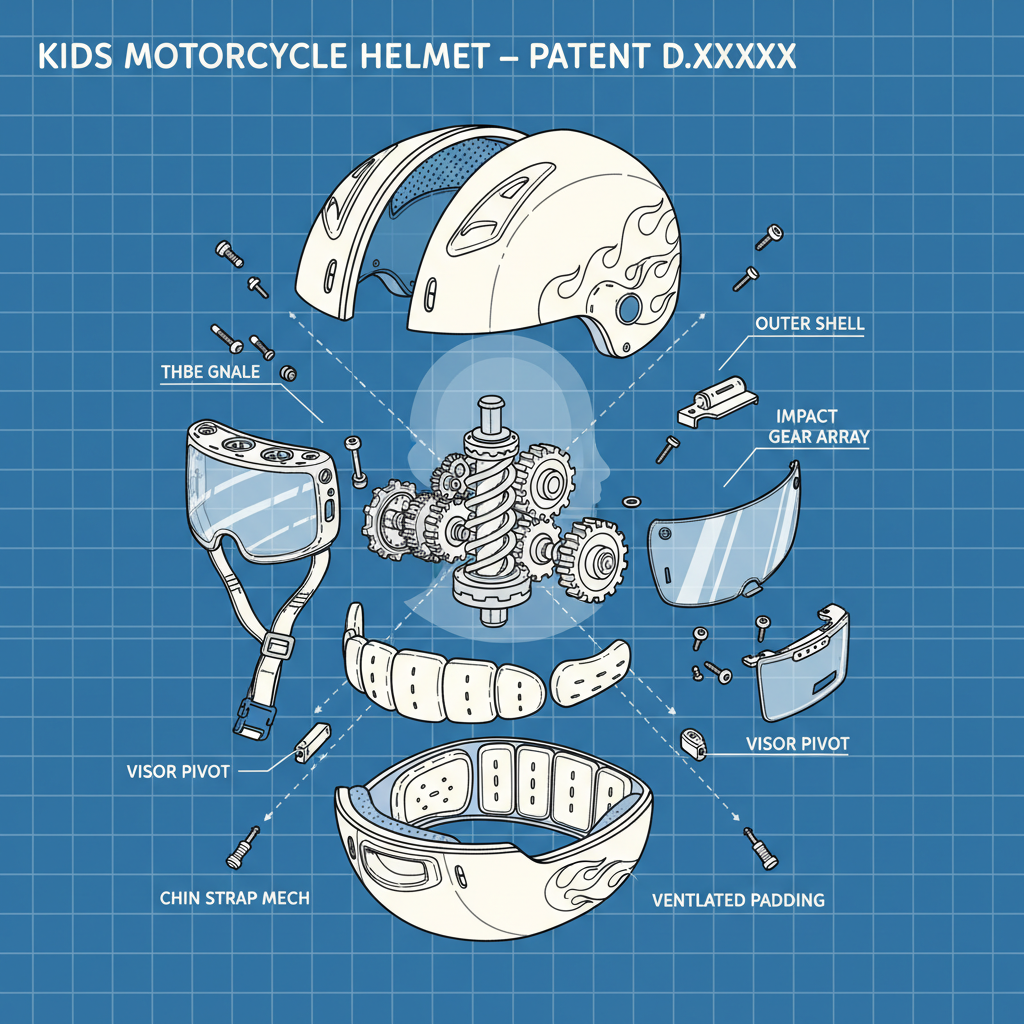
Understanding Safety Standards for Kids Motorcycle Helmets
When choosing a helmet, always verify it meets or exceeds established safety standards. In the United States, the most recognized standard is set by the Department of Transportation (DOT). Helmets with a DOT certification have undergone rigorous testing to ensure they offer a certain level of impact protection. Additionally, look for helmets certified by the Snell Foundation, an independent, non-profit organization that sets even higher safety benchmarks. Knowing these certifications will give you peace of mind that you're providing the best possible protection for your child. Always check the label inside the helmet to confirm its certification status.
Key Highlights: Look for DOT and Snell certifications to ensure the helmet meets rigorous safety standards. A certified helmet provides a significant level of impact protection.
Sizing and Fit: Ensuring Optimal Protection with Kids Motorcycle Helmets
Proper fit is arguably the most critical aspect of helmet safety. A helmet that’s too loose won’t provide adequate protection in a crash, while one that’s too tight can be uncomfortable and distracting. To determine the correct size, measure your child’s head circumference using a flexible measuring tape. Place the tape just above the eyebrows and ears. Refer to the helmet manufacturer’s sizing chart to find the corresponding helmet size. Once you have a helmet that seems to fit, perform a “shake test” – with the chinstrap fastened, gently shake the helmet. If it moves excessively, it's too loose. A snug, secure fit is essential.
Proper Fit Checklist:
• Measure head circumference.
• Consult manufacturer’s sizing chart.
• Perform a ‘shake test’.
• Ensure a snug, secure fit without excessive pressure.
Key Features to Look For in Kids Motorcycle Helmets
Beyond safety standards and fit, several features can enhance comfort and protection. Look for helmets with adjustable chin straps and ventilation systems to keep your child cool and comfortable. A removable and washable liner is a plus for easy cleaning. Consider the type of visor – clear visors offer all-around visibility, while tinted visors can reduce glare in bright conditions. Some helmets also include features like integrated sun visors or noise reduction padding. Choosing a helmet with these features will improve your child’s riding experience. You can explore a great selection of these features on DH Electric ID Car’s website.
Different Types of Kids Motorcycle Helmets
There are several types of helmets available, each offering different levels of coverage and protection. Full-face helmets provide the most comprehensive protection, covering the entire head and face. Open-face helmets (also known as 3/4 helmets) cover the top, back, and sides of the head but leave the face exposed. Modular helmets combine features of both full-face and open-face helmets, with a flip-up chin bar. For younger children, a multi-sport helmet that meets both bicycle and motorcycle safety standards might be suitable. Choose a helmet type that aligns with your child’s riding style and the level of protection you desire.
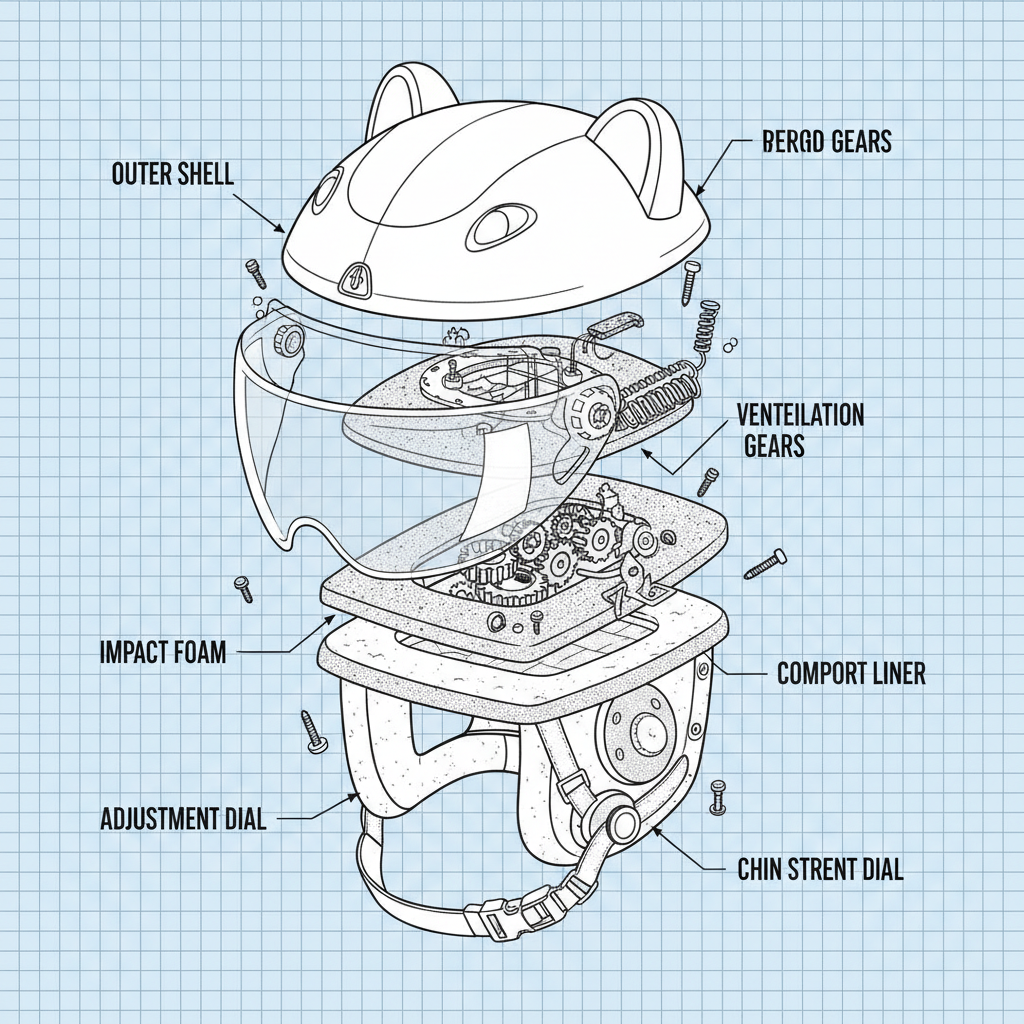
Care and Maintenance of Kids Motorcycle Helmets
To ensure your child’s helmet provides continued protection, regular care and maintenance are essential. Clean the helmet regularly with mild soap and water. Avoid using harsh chemicals or abrasive cleaners, as these can damage the helmet’s shell. Inspect the helmet for any signs of damage, such as cracks or dents, and replace it if necessary. Store the helmet in a cool, dry place away from direct sunlight. Remember that helmets have a limited lifespan, even if they appear to be in good condition, so replace them every 3-5 years or after a significant impact. For more information, you can visit DH Electric ID Car to learn more.
Conclusion: Prioritizing Safety with the Right Helmet
Choosing the right kids motorcycle helmets is an investment in your child’s safety. By understanding safety standards, ensuring a proper fit, and selecting a helmet with appropriate features, you can provide them with the protection they need to enjoy their riding experience. Don't compromise on safety – make an informed decision and choose a helmet that meets their needs.
Frequently Asked Questions (FAQs)
How often should I replace my child’s motorcycle helmet?
Even if there is no visible damage, it's recommended to replace a motorcycle helmet every 3-5 years due to the degradation of the materials over time. Additionally, a helmet should be replaced immediately after any impact, even a minor one, as the protective foam may be compressed and no longer provide adequate protection. Regular inspection for wear and tear is also important.
What is the difference between DOT and Snell certification?
Both DOT and Snell are safety standards, but Snell is generally considered more stringent. DOT certification is required by law in the United States, ensuring a minimum level of protection. Snell certification is voluntary and involves more rigorous testing, resulting in helmets that offer a higher degree of safety. A helmet certified by both DOT and Snell provides the best possible protection.
Can I use a bicycle helmet for motorcycle riding?
No, you should never use a bicycle helmet for motorcycle riding. Motorcycle helmets are designed to withstand higher impact forces than bicycle helmets. Bicycle helmets do not offer the same level of protection and could fail in a motorcycle accident. Always use a helmet specifically designed and certified for motorcycle use.
-
Choosing the Best Kids Helmet Motorcycle for Ultimate SafetyNewsApr.16,2026
-
The Ultimate Guide to Choosing a Kids Harley MotorcycleNewsApr.09,2026
-
Kids Full Face Motorcycle Helmet A Comprehensive Safety GuideNewsApr.07,2026
-
Kids Electric Motorcycle Guide For Fun Safe Outdoor RidingNewsApr.04,2026
-
Choosing the Right Kids Dot Motorcycle Helmet for Optimal SafetyNewsMar.31,2026
-
Comprehensive Guide to Choosing the Best Kids 12V Motorcycle for Safe FunNewsMar.28,2026
-
Essential Guide to Choosing the Right Kid Size Motorcycle Helmets for SafetyNewsMar.26,2026