
Choosing the Best Kids Helmet Motorcycle for Ultimate Safety
Choosing the Best Kids Helmet Motorcycle for Ultimate Safety
When it comes to introducing children to the excitement of riding, safety must always be the first priority. A high-quality kids helmet motorcycle is more than just an accessory; it is a critical piece of protective gear designed to shield young riders from potential head injuries. Whether your child is riding a small electric bike or a motorized mini-bike, the right headgear ensures peace of mind for parents and confidence for the rider. In this guide, we will explore the essential features, sizing tips, and safety standards you need to know to make an informed purchase.
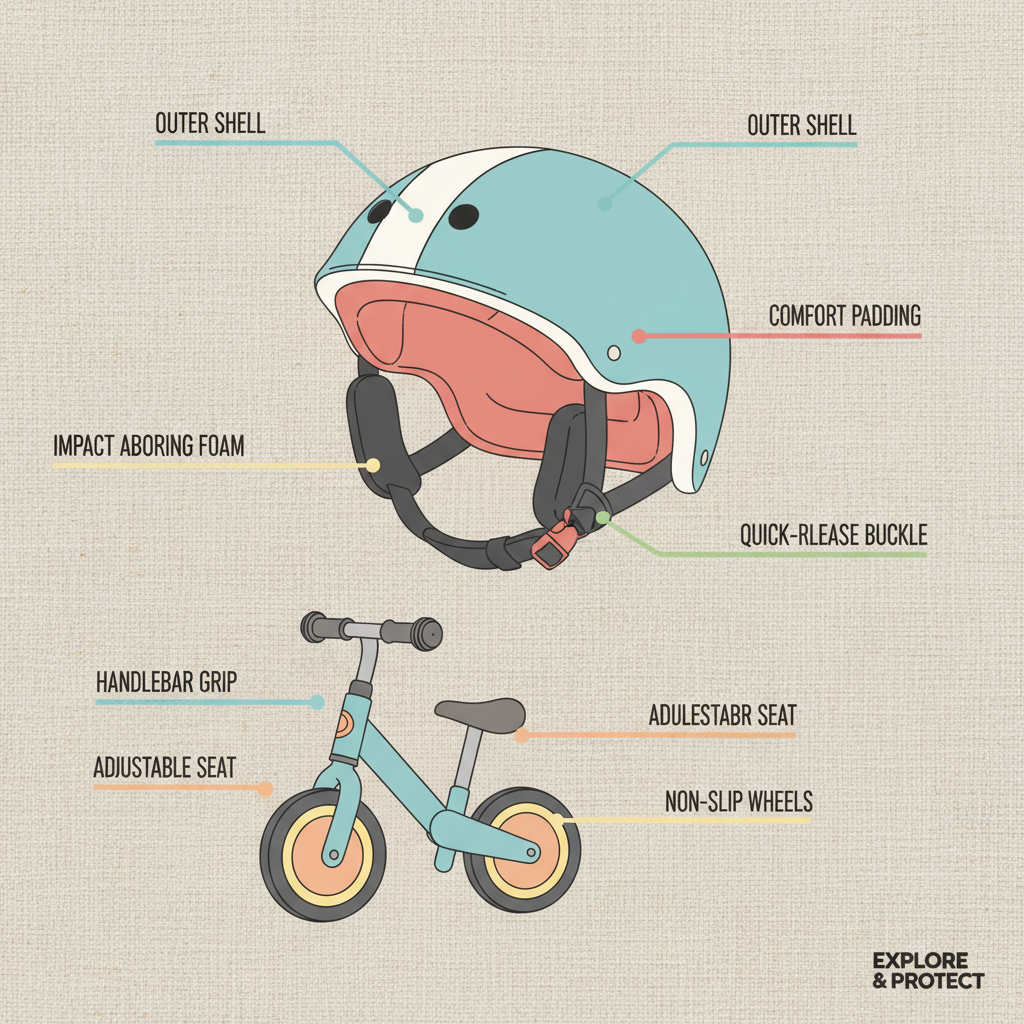
Essential Safety Features of a Kids Helmet Motorcycle
Not all children's helmets are created equal. A professional-grade kids helmet motorcycle should feature a hard outer shell, typically made from ABS plastic or polycarbonate, to resist penetration. Inside, a thick layer of Expanded Polystyrene (EPS) foam is vital for absorbing the energy of an impact. Furthermore, look for a secure chin strap with a quick-release buckle that children can eventually learn to manage, and ventilation ports that prevent overheating during long rides. Ensuring the helmet is DOT or ECE certified is the best way to guarantee it meets international safety benchmarks.
Safety Checklist: Look for high-impact ABS shells, EPS energy-absorbing liners, hypoallergenic inner padding, and a certified safety seal (DOT/ECE/ASTM).
How to Get the Perfect Fit for Your Child
A helmet that is too loose can slip off during an accident, while one that is too tight can cause discomfort and distraction. To find the perfect kids helmet motorcycle, start by measuring the circumference of your child's head about one inch above the eyebrows. The helmet should sit level on the head, not tilted back or forward. When fastened, there should only be enough room to fit one or two fingers between the chin strap and the skin. Because children grow quickly, choosing a model with an adjustable internal dial can extend the usable life of the helmet.
Comparing Kids Helmet Motorcycle Types: Full Face vs. Open Face
Choosing between a full-face and an open-face helmet depends on the type of riding and the environment. Full-face helmets provide the maximum amount of protection, including the jaw and chin, which is highly recommended for higher speeds. Open-face helmets offer more visibility and airflow, making them popular for slow-paced neighborhood rides. Below is a detailed comparison to help you decide which kids helmet motorcycle style suits your needs best.
Maintenance Tips for Your Kids Helmet Motorcycle
To ensure the long-term effectiveness of a kids helmet motorcycle, proper maintenance is key. Avoid using harsh chemicals or solvents to clean the outer shell, as these can degrade the plastic. Instead, use mild soap and warm water. The inner lining should be cleaned regularly to remove sweat and oils, which can lead to odors. Most importantly, always replace the helmet after any significant impact, even if there are no visible cracks. The EPS foam is designed to compress once to absorb energy; after that, it can no longer provide the same level of protection.
Technical Specifications for Kids Helmet Motorcycle
When shopping for a premium kids helmet motorcycle, you will encounter various technical specifications. Understanding these helps you differentiate between a toy-like helmet and a professional safety device. The weight is particularly important for children to avoid neck strain, while the material grade ensures the helmet can withstand high-velocity impacts. Below are the standard specifications for a high-quality youth motorcycle helmet.
Conclusion: Prioritizing Safety with the Right Gear
Investing in a certified kids helmet motorcycle is the most important decision a parent can make when getting their child into riding. From selecting the correct shell material to ensuring a snug, comfortable fit, every detail contributes to the safety and well-being of the young rider. By following the guidelines in this article, you can ensure your child is protected against accidents while they enjoy their adventures. Don't leave safety to chance—choose a professional, certified helmet today.
Frequently Asked Questions (FAQs)
How often should I replace my child's motorcycle helmet?
Generally, it is recommended to replace a kids helmet motorcycle every 3 to 5 years, as the protective EPS foam can degrade over time due to UV exposure and temperature changes. However, the most critical rule is to replace the helmet immediately after any significant impact or crash, regardless of whether the helmet looks damaged. The internal structure is designed to crush upon impact to save the brain; once this happens, it cannot protect the head a second time.
Can I use a bicycle helmet for a motorcycle?
No, you should never use a bicycle helmet for motorcycling. Bicycle helmets are designed for low-speed impacts and are often made of lighter materials that cannot withstand the forces involved in a motorcycle accident. A dedicated kids helmet motorcycle provides significantly more coverage (especially for the jaw and back of the head) and uses higher-density impact-absorbing materials to ensure maximum safety at motorized speeds.
What does DOT certification actually mean?
DOT stands for the Department of Transportation. A DOT-certified helmet has passed a series of rigorous tests including impact attenuation, penetration resistance, and chin strap strength. When you see a DOT sticker on a kids helmet motorcycle, it means the product meets the minimum legal safety standards required for road use in the United States. It is the baseline for ensuring that the helmet will actually perform its job during a crash.
How do I know if the helmet is too big for my child?
A simple way to check if a helmet is too large is to shake your head from side to side and up and down while the helmet is fastened. If the helmet slides or wobbles independently of the head, it is too big. It should fit snugly against the forehead and temples. Additionally, if the child can easily pull the helmet off without unbuckling the strap, the fit is unsafe. Always prioritize a snug fit over a "room to grow" approach for safety gear.
-
Choosing the Best Kids Helmet Motorcycle for Ultimate SafetyNewsApr.16,2026
-
The Ultimate Guide to Choosing a Kids Harley MotorcycleNewsApr.09,2026
-
Kids Full Face Motorcycle Helmet A Comprehensive Safety GuideNewsApr.07,2026
-
Kids Electric Motorcycle Guide For Fun Safe Outdoor RidingNewsApr.04,2026
-
Choosing the Right Kids Dot Motorcycle Helmet for Optimal SafetyNewsMar.31,2026
-
Comprehensive Guide to Choosing the Best Kids 12V Motorcycle for Safe FunNewsMar.28,2026