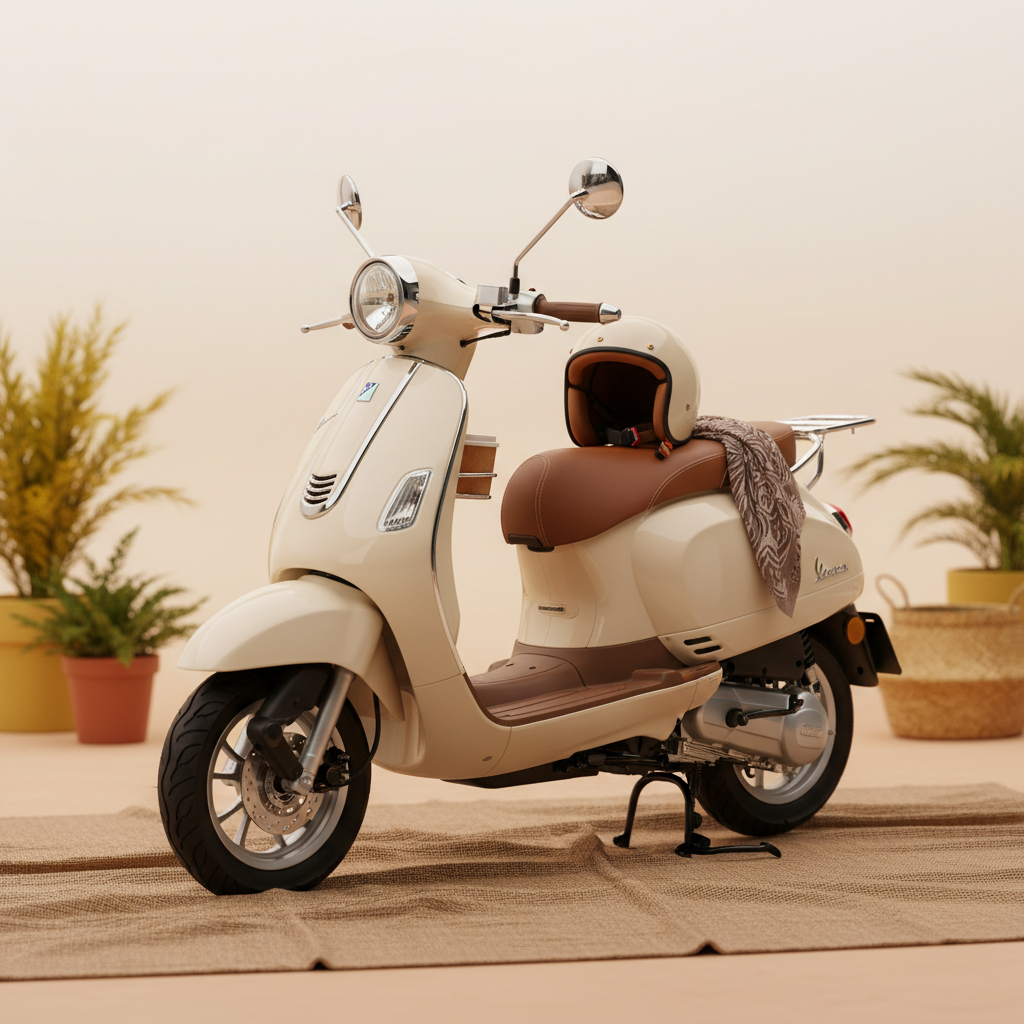
When exploring the world of two-wheeled transport, many beginners find themselves confused by the scooter and motorcycle difference, as both offer an exhilarating alternative to four-wheeled vehicles. While they may look similar at a glance, the distinction lies in their engineering, intended use, and the experience they provide to the rider. Understanding these nuances is essential for anyone looking to invest in a personal mobility solution, whether for urban commuting or leisure.
Globally, the shift toward micro-mobility and sustainable transport has brought both vehicles into the spotlight. From the bustling streets of Southeast Asia to the historic alleys of Italy, the choice between a scooter and a motorcycle often depends on the specific geographic terrain and the rider's priority—whether it be raw power or effortless convenience. This distinction isn't just about mechanics; it's about how a vehicle fits into a modern lifestyle.
For parents looking into children's electric vehicles or enthusiasts seeking a new ride, grasping the scooter and motorcycle difference ensures safety, efficiency, and satisfaction. By analyzing frame design, engine placement, and ergonomics, we can demystify these machines and help you choose the perfect ride for your specific needs.
Structural Design and Ergonomics
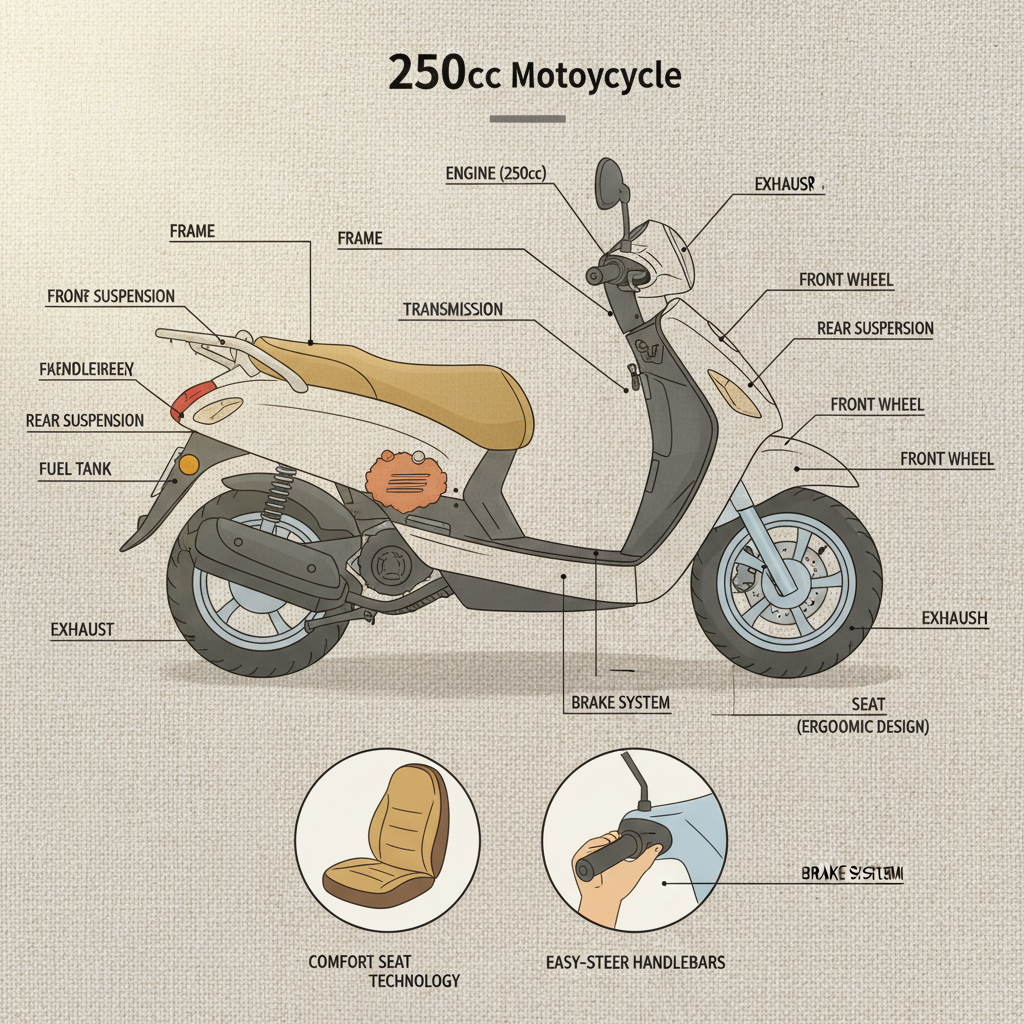
The most immediate scooter and motorcycle difference is found in the chassis. Scooters typically feature a "step-through" frame, allowing the rider to mount the vehicle without swinging a leg over the seat. This design is complemented by a floorboard where the rider's feet rest flat, creating a relaxed, upright posture ideal for short city trips.
In contrast, motorcycles utilize a "step-over" design, where the engine and fuel tank are positioned between the rider's legs. This structure provides greater rigidity and stability at high speeds, forcing the rider into a more active, leaned-forward position. This ergonomic shift is crucial for handling the higher centrifugal forces encountered during high-speed cornering.
Mechanical Performance and Power Delivery
When we dive into the engine, the scooter and motorcycle difference becomes a matter of transmission and power. Most scooters use a Continuously Variable Transmission (CVT), which means they are "twist-and-go." There is no manual clutch or gear shifter, making them incredibly intuitive for beginners and those navigating stop-and-go traffic.
Motorcycles, however, generally employ a manual transmission. The rider must coordinate the throttle, clutch, and gear shifter to optimize power delivery. This grants the rider precise control over the engine's torque, which is essential for highway cruising, off-roading, or sporting maneuvers where rapid acceleration and deceleration are required.
While high-displacement scooters (Maxi-scooters) exist, the general rule is that motorcycles offer higher top speeds and better long-distance stability. Scooters prioritize agility and ease of movement, while motorcycles are engineered for endurance and high-performance output.
Ease of Use and Accessibility
For the average commuter, the scooter and motorcycle difference is most apparent in the learning curve. Scooters are designed for accessibility; their lower center of gravity and automatic transmission mean that a new rider can feel confident within hours.
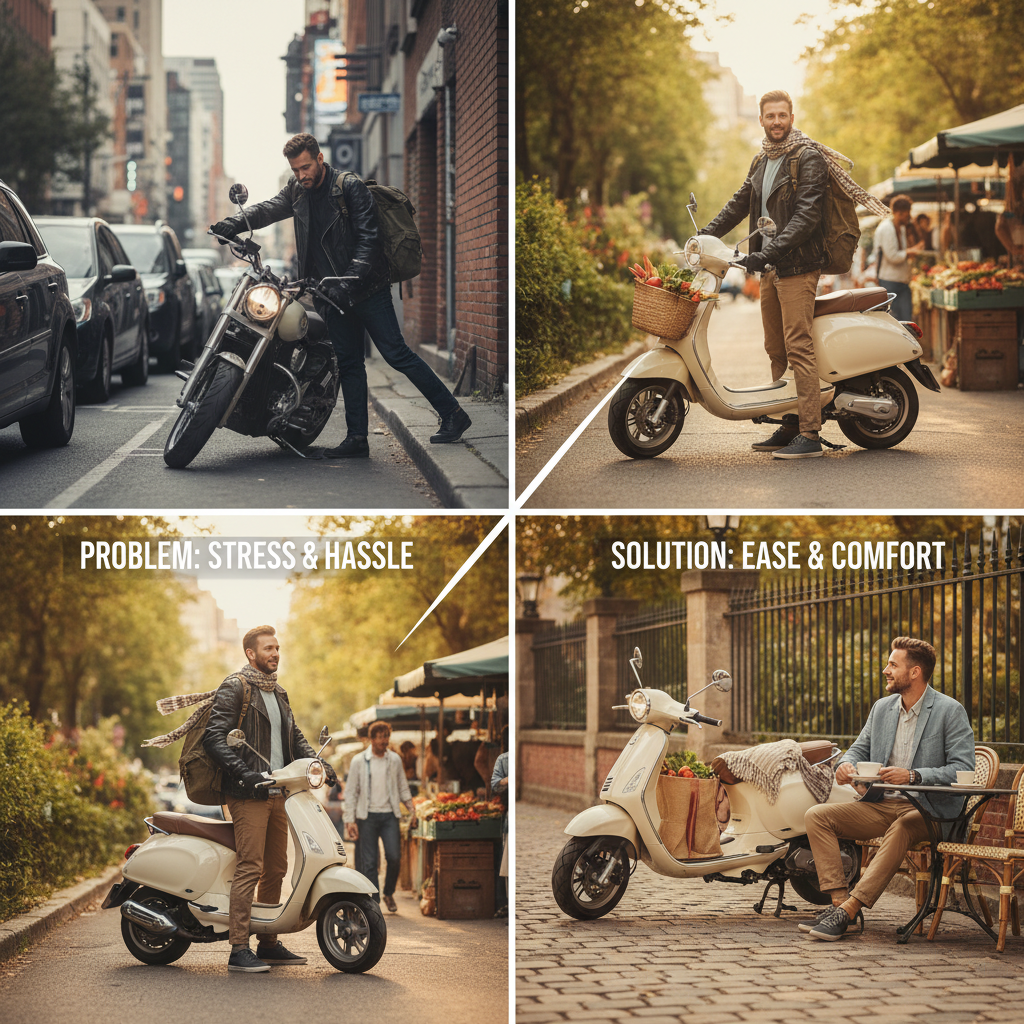
Furthermore, the utility aspect of the scooter and motorcycle difference cannot be ignored. Scooters often feature built-in under-seat storage, which is a godsend for carrying groceries or a helmet, whereas motorcycles usually require the purchase of external panniers or backpacks.
This accessibility extends to the demographics of the riders. Scooters are frequently chosen by urban professionals and students due to their "city-friendly" nature, while motorcycles attract those who view riding as a hobby or a lifestyle choice involving exploration and touring.
Cost Efficiency and Maintenance
From a financial perspective, the scooter and motorcycle difference is reflected in both the initial purchase price and the long-term upkeep. Scooters generally have smaller engines and simpler mechanical layouts, leading to lower insurance premiums and cheaper fuel consumption.
Maintenance for scooters often focuses on belt replacements and oil changes, whereas motorcycles—especially high-performance models—require more intensive care, such as chain tensioning, lubrication, and complex valve adjustments.
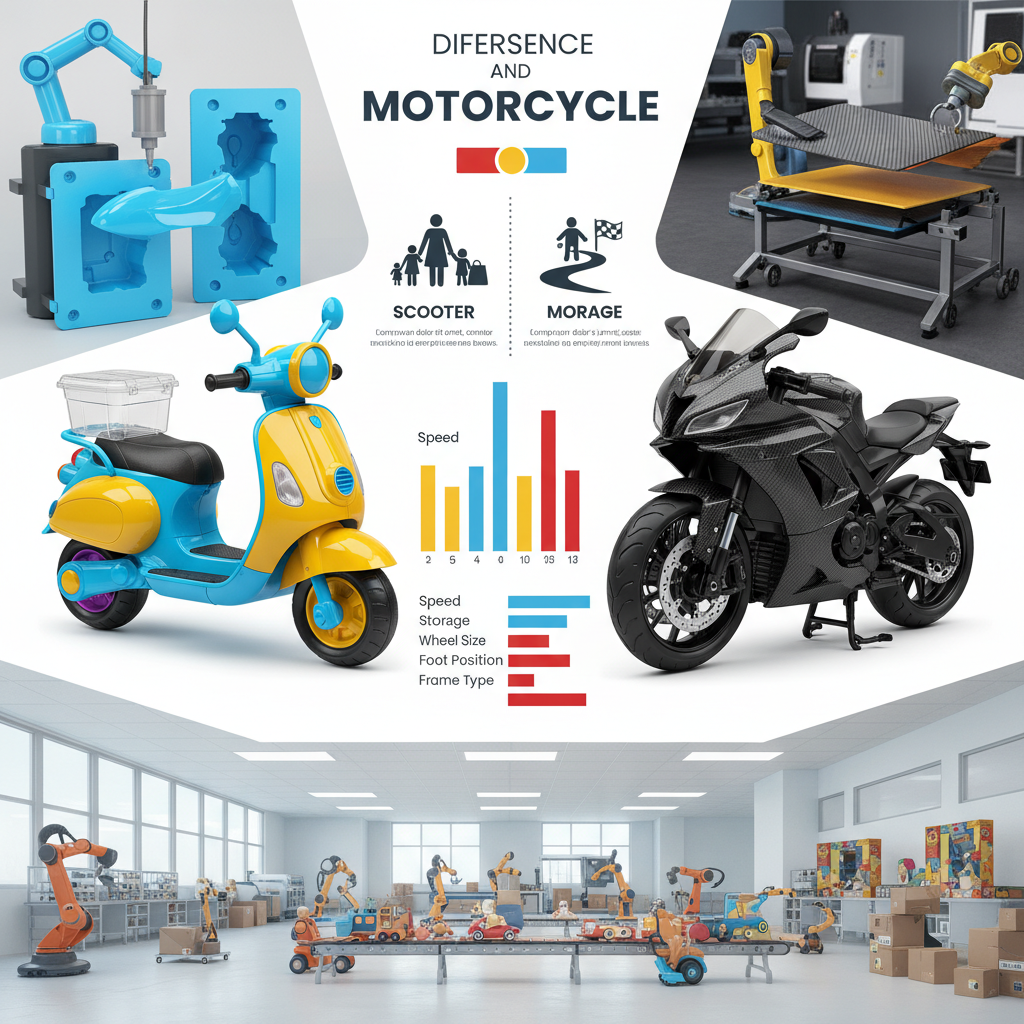
Comparison of Scooter and Motorcycle Difference Metrics
Urban Mobility and Global Applications
In densely populated hubs like Tokyo, Bangkok, or Rome, the scooter and motorcycle difference determines the flow of traffic. Scooters are the undisputed kings of the "last mile," allowing users to weave through congested lanes and park in tiny spaces where a full-sized motorcycle would be cumbersome.
Conversely, in regions with expansive highway systems, such as the United States or Australia, the motorcycle is the preferred choice. The ability to maintain high speeds comfortably over hundreds of miles makes the motorcycle an essential tool for long-distance tourism and interstate travel.
Safety Considerations and Gear
Safety is a paramount concern, and the scooter and motorcycle difference extends to the protective equipment used. Scooter riders often opt for open-face helmets and casual clothing, partly because their lower speeds and urban environments make this feel sufficient.
Motorcycle riders, facing higher speeds and greater risks of high-velocity impacts, typically employ "all-the-gear-all-the-time" (ATGATT). This includes full-face helmets, armored jackets, reinforced gloves, and specialized boots to mitigate road rash and impact trauma.
From a technical standpoint, many modern scooters now include ABS (Anti-lock Braking Systems), narrowing the safety gap. However, the inherent stability of a motorcycle's larger wheels generally provides better grip and balance during emergency maneuvers at high speeds.
Future Trends in Electric Transition
The evolution of the scooter and motorcycle difference is currently being reshaped by electrification. Electric scooters are dominating the rental market and children's toys, providing a zero-emission alternative that is nearly silent and incredibly cheap to operate.
Electric motorcycles are taking a different path, focusing on replacing the "soul" of the combustion engine with instant torque and high-tech digital dashboards. This shift is reducing the mechanical complexity of motorcycles, potentially making them as easy to maintain as scooters in the future.
As we move toward smarter cities, we can expect a convergence where the line between the two blurs, but the core purpose—utility for the scooter and performance for the motorcycle—will likely remain.
Summary of Scooter and Motorcycle Functional Divergence
| Feature |
Scooter Characteristic |
Motorcycle Characteristic |
User Impact |
| Frame Type |
Step-through / Flat floor |
Step-over / Fuel tank center |
Mounting ease vs. Stability |
| Transmission |
Automatic (CVT) |
Manual / Semi-auto |
Learning curve speed |
| Storage |
Under-seat compartment |
External bags/Tanks |
Practicality for shopping |
| Wheel Size |
Small diameter |
Large diameter |
Agility vs. Road grip |
| Typical Use |
Urban commuting |
Touring / Racing |
Trip distance capacity |
| Fuel/Energy |
Highly efficient/Electric |
Higher consumption/Performance |
Operating cost per mile |
FAQS
Not exactly. While they share two wheels and an engine, the scooter and motorcycle difference is fundamental in design. Scooters have step-through frames and automatic transmissions, whereas motorcycles are built for higher speeds with a step-over frame and usually a manual clutch. They serve different purposes: convenience vs. performance.
For most beginners, a scooter is safer and easier to learn. The automatic transmission allows the rider to focus entirely on steering and braking without worrying about gear shifts. Additionally, the lower center of gravity makes it more stable at low speeds, though proper safety gear is required for both.
It depends on the displacement. Small city scooters are not suitable for highways due to low top speeds and instability in wind. However, "Maxi-scooters" with larger engines (300cc and above) can handle highway speeds comfortably, though a motorcycle remains the superior choice for long-distance touring stability.
This varies by country. In many regions, low-displacement scooters (under 50cc) may only require a standard driver's license. However, for any vehicle intended for main road or highway use, a motorcycle endorsement or specific M-class license is typically required regardless of whether it's a scooter or a motorcycle.
Motorcycles, particularly well-known brands or limited editions, often hold their value better over time due to a strong enthusiast market. Scooters are often viewed as utility appliances and may depreciate faster, though electric scooters are currently seeing a surge in demand that supports their value.
No. E-bikes have pedals and are designed to assist human power. Electric scooters (including the children's electric vehicles we specialize in) rely entirely on a motor and battery, featuring a deck for standing or a seat, and are generally more focused on pure motorized transport than hybrid pedaling.
Conclusion
In summary, the scooter and motorcycle difference boils down to a choice between urban utility and open-road performance. While scooters offer unmatched convenience, ease of use, and storage for the city dweller, motorcycles provide the power, control, and stability required for those who seek adventure and long-distance travel. Both vehicles have evolved significantly, integrating smarter technology and greener energy sources to meet the needs of the modern rider.
As we look toward a future of sustainable mobility, the decision of which vehicle to choose should align with your daily environment and personal goals. Whether you are introducing your child to the joy of riding with an electric kids' bike or upgrading your own commute, prioritizing safety and the right tool for the job is key. To explore the best in children's electric vehicles and mobility solutions, visit our website: www.dhelectrickidcar.com.