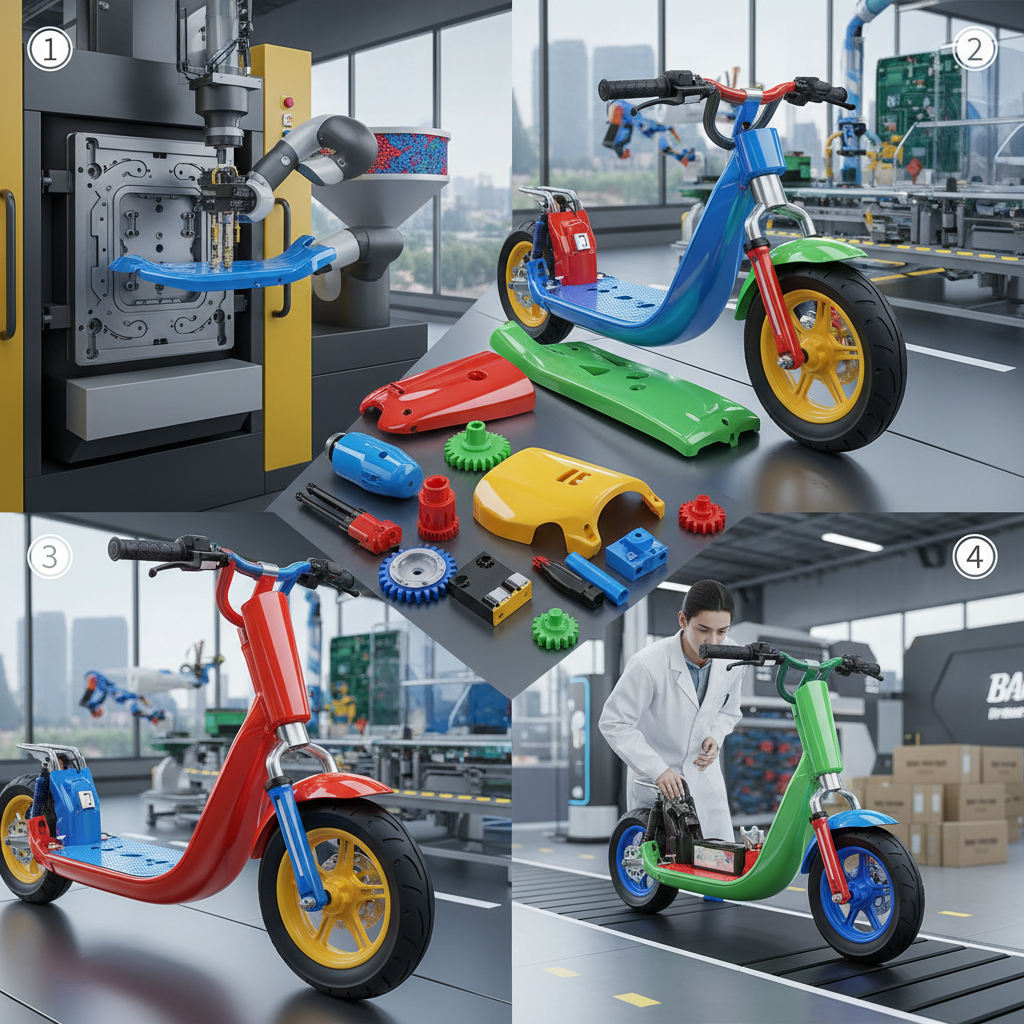
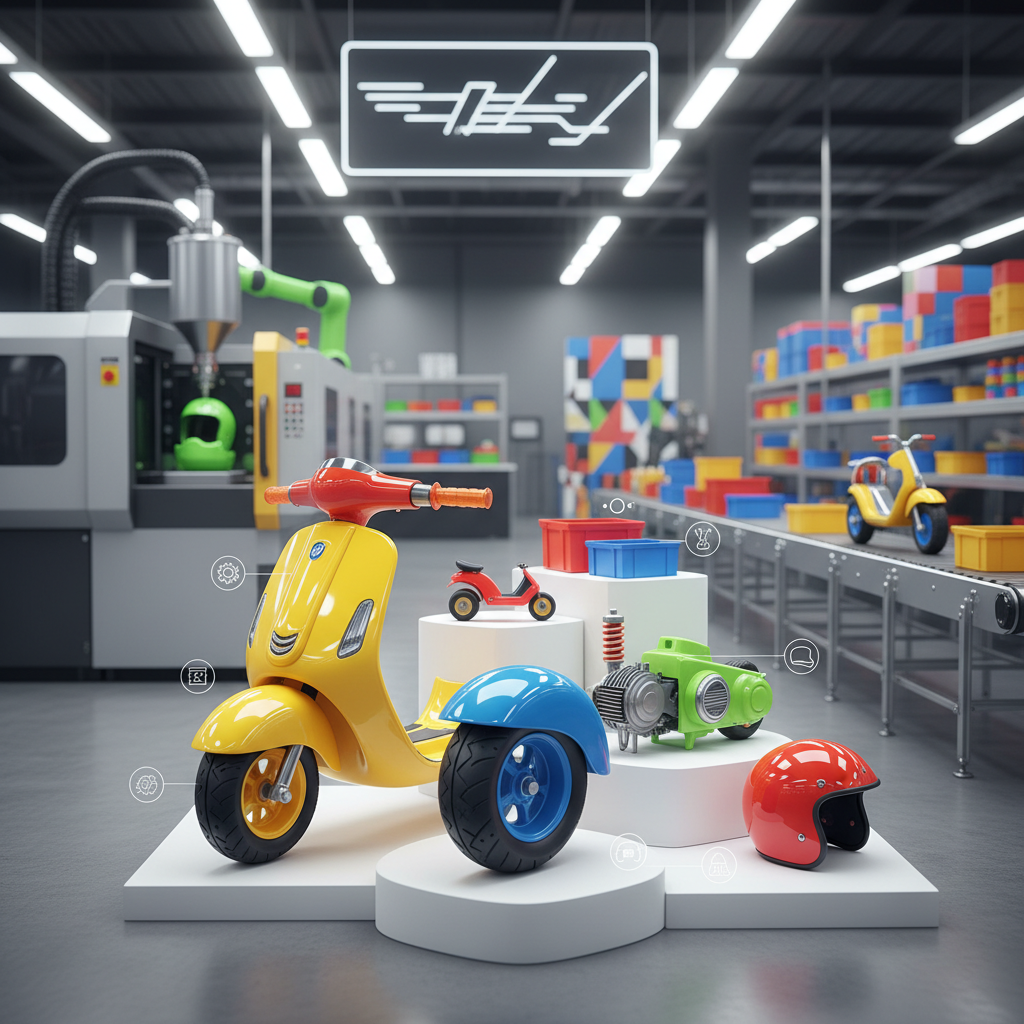
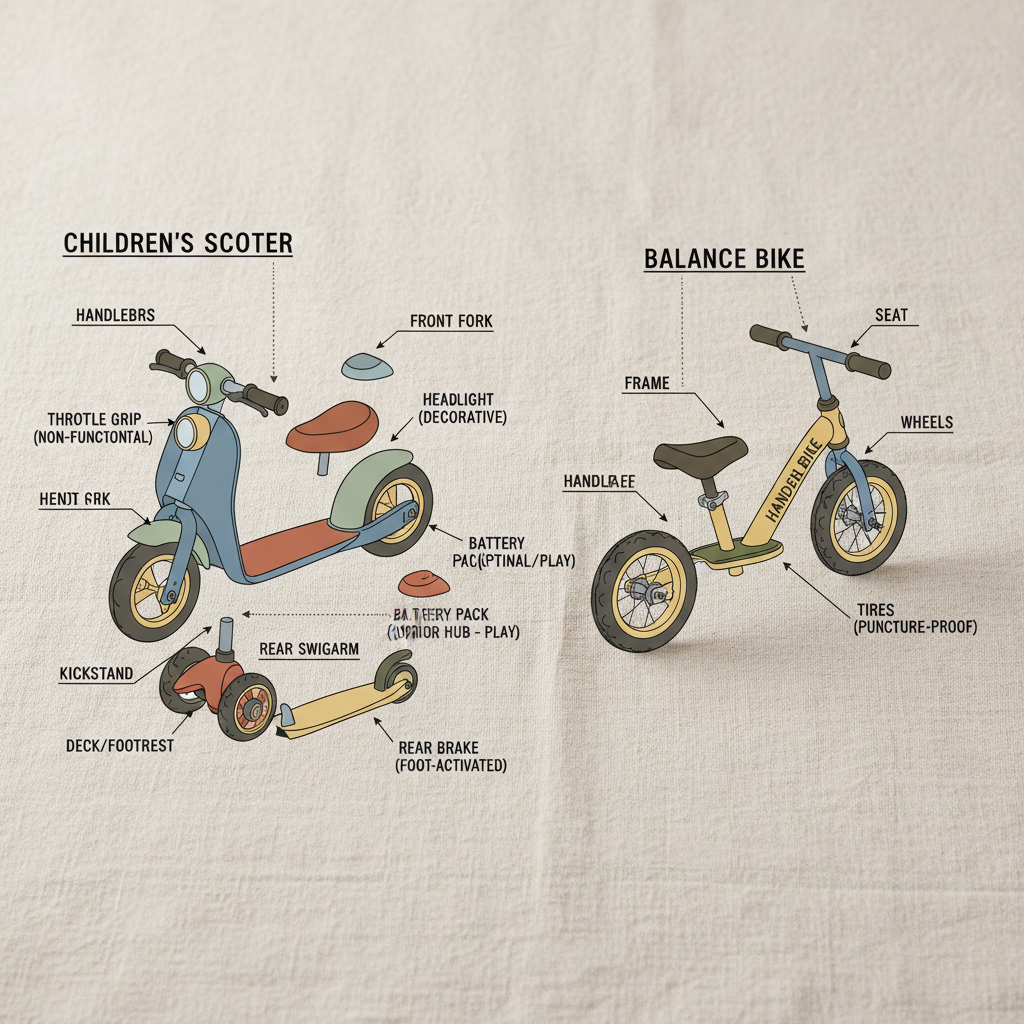
The global demand for high-quality motorcycle scooter parts has seen a significant surge as urban mobility shifts toward electric and sustainable solutions. Whether for children's electric vehicles or adult commuters, the integrity of these components directly impacts safety, performance, and the overall lifespan of the vehicle. Understanding the intricacies of these parts allows consumers and manufacturers to maximize efficiency and ensure a seamless riding experience.
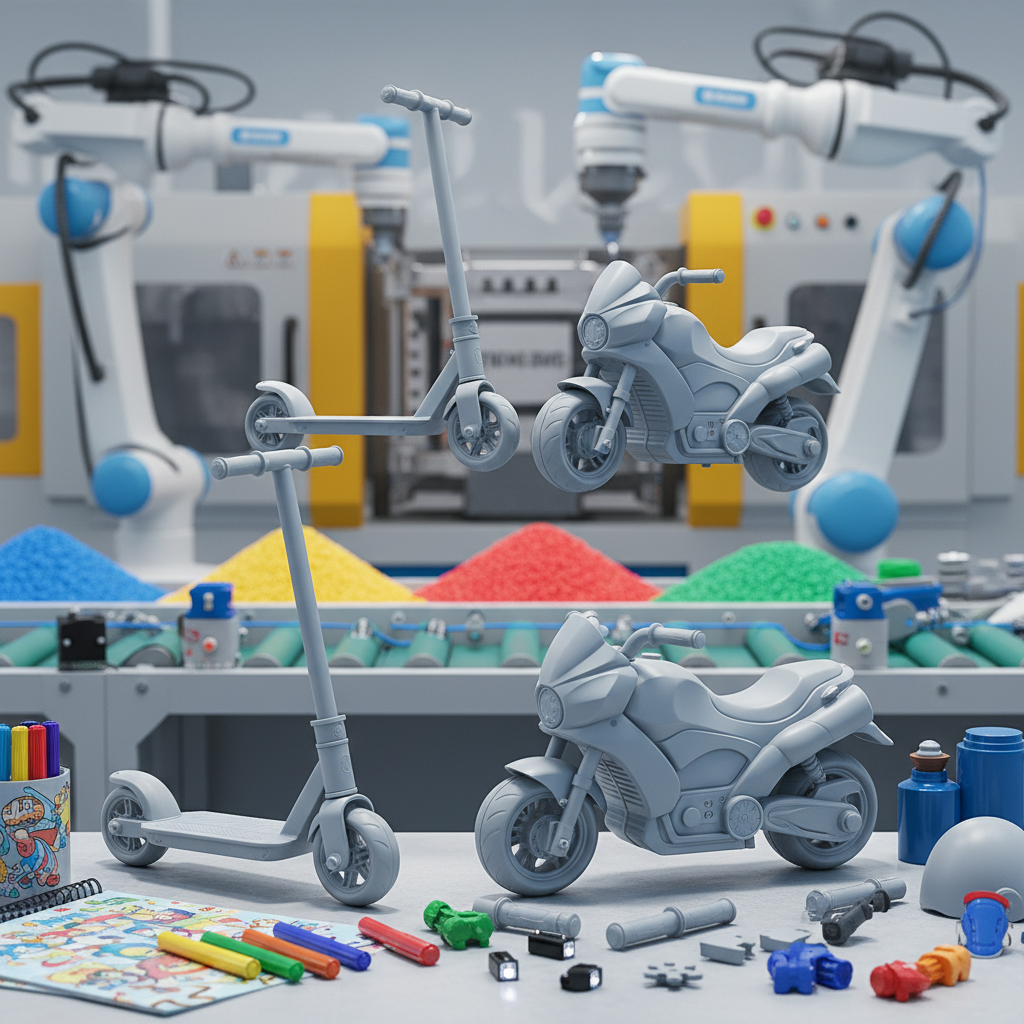
From a manufacturing perspective, the evolution of motorcycle scooter parts reflects a broader industrial trend toward lightweight materials and smarter electronic integration. The integration of high-capacity batteries, precision-engineered motors, and durable chassis components has transformed scooters from simple toys into sophisticated pieces of engineering. This transition is crucial for meeting the rigorous safety standards required in today's global market.
Ultimately, focusing on the quality of replacement and original equipment manufacturer (OEM) parts ensures that children's bikes and electric scooters remain reliable over years of use. By prioritizing durability and compatibility, the industry not only reduces waste through longevity but also enhances the trust parents and riders place in electric mobility. Investing in the right components is not just about maintenance; it is about optimizing the future of personal transport.
Global Industry Context of Motorcycle Scooter Parts
The global landscape for motorcycle scooter parts is currently undergoing a massive transition, driven by the global push for "Green Energy" and urban decongestion. According to recent industrial data, the electric micromobility sector has grown exponentially, with ISO standards now focusing more heavily on the safety and interoperability of electric drivetrain components. This shift is not merely about replacing gas with electricity, but about redefining how components are manufactured for durability and safety.
However, this rapid growth has introduced a significant challenge: the proliferation of low-quality, non-standardized parts that compromise rider safety. The industry is now facing a critical need for standardized, high-precision parts that can withstand various environmental stresses while maintaining energy efficiency. As we move toward a more connected world, the synergy between mechanical hardware and electronic control units (ECUs) becomes the primary battleground for innovation in the scooter industry.
Defining Core Motorcycle Scooter Parts
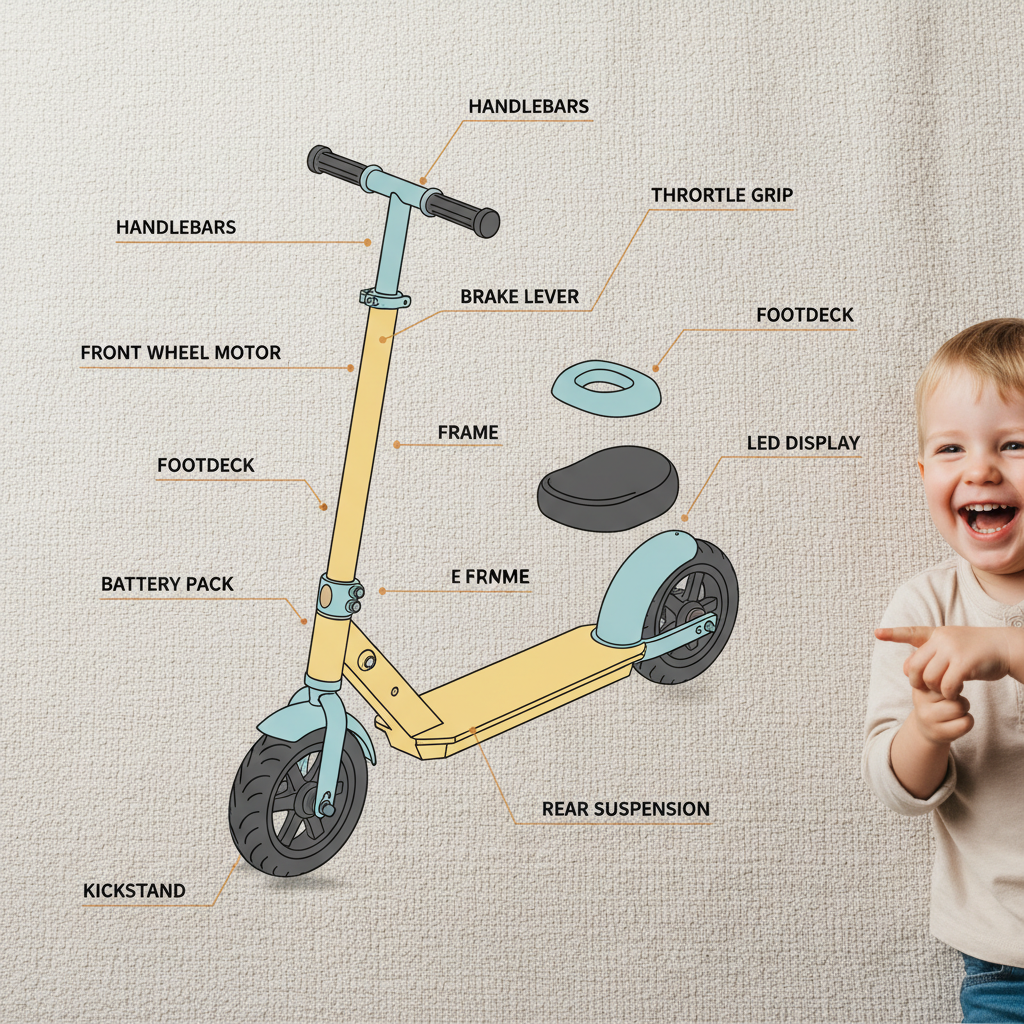
In the simplest terms, motorcycle scooter parts encompass every individual component—from the smallest screw to the main battery pack—that allows a scooter or children's electric vehicle to function. These are generally divided into mechanical parts (frames, wheels, brakes), electrical parts (motors, controllers, wiring), and aesthetic parts (fairings, seats, lights). Together, they create a cohesive system designed for stability and motion.
Connecting these parts to modern industry needs means focusing on modularity. In the contemporary manufacturing ecosystem, the goal is to create parts that are easily replaceable and upgradable. This "Right to Repair" philosophy ensures that a child's electric bike doesn't become obsolete just because a single gear or a battery cell fails, thereby reducing the environmental footprint of the toy and transport industries.
Moreover, the definition has expanded to include "smart parts." We are no longer just talking about metal and plastic; we are talking about sensors, Bluetooth-enabled controllers, and regenerative braking systems. These advanced motorcycle scooter parts allow for real-time monitoring of vehicle health, significantly enhancing the safety profile for young riders and commuters alike.
Key Factors for High-Performance Components
Durability is the cornerstone of quality motorcycle scooter parts. For children's vehicles, this means using impact-resistant polymers and reinforced alloys that can withstand the inevitable crashes and rough handling associated with youth play. A durable chassis prevents structural failure, ensuring the vehicle remains safe even after years of rigorous use.
Energy efficiency and scalability are equally vital. High-performance motors and controllers must be optimized to extract maximum mileage from the battery without overheating. By utilizing advanced winding techniques and heat-dissipation materials, manufacturers can create motorcycle scooter parts that provide consistent torque and speed, regardless of the load or terrain.
Finally, cost-efficiency must be balanced with reliability. While premium materials like carbon fiber or high-grade aluminum offer weight advantages, the industry focuses on "value engineering"—finding the optimal material that provides the necessary strength without inflating the retail price. This ensures that safe, high-quality parts remain accessible to a global consumer base.
Global Applications and Use Cases
The application of high-grade motorcycle scooter parts extends far beyond urban commuting. In many developing regions, electric scooters have become vital tools for "last-mile" delivery services, where the reliability of the motor and the durability of the tires are tested daily under extreme conditions. In these contexts, a reliable supply of replacement parts is the difference between a functioning business and a total operational shutdown.
In the recreational sector, particularly for kids' electric vehicles, these parts are designed to foster a sense of independence and motor skill development. For example, adjustable braking systems and ergonomic handles are tailored to the physical dimensions of children, ensuring they have full control over the vehicle. This application emphasizes safety-first engineering, where fail-safes are integrated into the electrical parts to prevent over-speeding or battery overheating.
Performance Comparison of Motorcycle Scooter Parts Categories
Advantages and Long-Term Value
The primary advantage of investing in premium motorcycle scooter parts is the dramatic increase in vehicle longevity. By using wear-resistant bearings and high-cycle batteries, the total cost of ownership is reduced over time. Instead of replacing an entire vehicle every two years, owners can simply swap out modular components, promoting a sustainable cycle of maintenance and upgrade.
Beyond the logic of cost, there is an emotional value tied to safety and trust. For parents, knowing that the braking system and the battery management system (BMS) of a child's electric bike are manufactured to rigorous standards provides peace of mind. This reliability builds brand loyalty and trust, transforming a simple purchase into a long-term relationship between the consumer and the manufacturer.
Future Trends and Technological Innovations
The future of motorcycle scooter parts is inextricably linked to the development of solid-state batteries. Unlike current lithium-ion cells, solid-state alternatives promise faster charging times, higher energy density, and a significantly lower risk of fire, which is a paramount concern for children's toys and electric scooters. This innovation will allow for lighter vehicles with much longer ranges.
Digital transformation is also playing a key role through the integration of IoT (Internet of Things). We are seeing the rise of "predictive maintenance" parts—components equipped with sensors that can alert the user via a smartphone app when a part is nearing the end of its life cycle. This prevents unexpected breakdowns and ensures that safety-critical components are replaced before they fail.
Furthermore, the adoption of biodegradable and recycled plastics for fairings and body panels is becoming a priority. By utilizing ocean-bound plastics or bio-polymers, the manufacture of motorcycle scooter parts is moving toward a circular economy, reducing the industry's reliance on virgin petroleum-based materials.
Challenges and Strategic Solutions
One of the most persistent challenges in the market is the lack of universal compatibility across different brands. This fragmentation makes it difficult for consumers to find the correct motorcycle scooter parts without detailed technical knowledge. To solve this, the industry is moving toward open-standard interfaces for common components like chargers and battery connectors.
Another hurdle is the supply chain volatility for rare earth magnets used in high-efficiency motors. Fluctuations in material costs can lead to price spikes for the end consumer. Strategic solutions include the research into "magnet-free" motors or the development of more efficient recycling processes to reclaim rare earth metals from old scooter motors.
Finally, the gap between high-end performance and affordable pricing remains. Expert insights suggest that "platform sharing"—where multiple scooter models use the same core internal parts—can drive down costs through economies of scale without sacrificing quality. This allows manufacturers to offer safer, better-engineered motorcycle scooter parts at a price point accessible to the average family.
Comparative Analysis of Component Material Impact on Vehicle Life
| Component Category |
Material Used |
Durability Score (1-10) |
Maintenance Cycle |
| Main Frame |
Reinforced Steel |
9 |
5+ Years |
| Wheel Hubs |
Aluminum Alloy |
8 |
3 Years |
| Brake Pads |
Sintered Ceramic |
7 |
6-12 Months |
| Battery Casing |
ABS Plastic |
6 |
2 Years |
| Motor Shaft |
Hardened Steel |
10 |
7+ Years |
| Tires |
Honeycomb Rubber |
8 |
1-2 Years |
FAQS
The best way to ensure compatibility is to check the OEM part number listed in your vehicle's manual or on the original component. Most high-quality parts manufacturers provide a compatibility chart. If you are unsure, we recommend contacting the manufacturer with your model number and year of production to avoid installing incorrect components that could compromise safety.
It depends on the manufacturer. Certified aftermarket parts that meet ISO or CE safety standards can be just as safe, and sometimes even more durable, than OEM parts. However, unbranded, low-cost parts often bypass safety tests and can lead to malfunctions. Always look for warranties and safety certifications when choosing aftermarket components for your electric scooter or bike.
While mechanical parts like tires may need frequent changes, electrical components like the motor and controller usually last several years. However, the battery is a consumable part and typically needs replacement every 2-3 years depending on usage. We recommend a professional electrical health check every 12 months to ensure the BMS is functioning correctly and there are no wiring frays.
Technically yes, but it is not always recommended. Upgrading a motor without also upgrading the electronic controller and the battery can lead to overheating or system failure. Furthermore, for children's vehicles, speed is limited for safety reasons. If you choose to upgrade, ensure that the braking system is also enhanced to handle the increased speed and momentum.
Common signs include a "squealing" noise during braking, a "spongy" feel in the brake lever, or a noticeable increase in the distance required to come to a full stop. If the brake pads are worn down to less than 1mm, they should be replaced immediately to prevent damage to the brake disc and to ensure the rider's safety.
Regular maintenance is key. Keep the vehicle clean and dry to prevent corrosion of metal parts, lubricate moving joints and chains every few months, and follow the recommended charging cycles for the battery. Avoiding extreme overloads and storing the vehicle in a temperature-controlled environment will significantly extend the lifespan of both mechanical and electronic components.
Conclusion
In summary, the quality of motorcycle scooter parts is the defining factor in the safety, efficiency, and longevity of electric micromobility. By understanding the balance between durability, material science, and technological integration, owners and manufacturers can ensure that vehicles—especially those designed for children—remain reliable and sustainable. From the evolution of solid-state batteries to the implementation of predictive maintenance, the industry is moving toward a future where mobility is not only green but virtually maintenance-free.
As we look ahead, the emphasis must remain on standardization and safety certifications to protect the end-user. We encourage all riders and parents to prioritize quality over price when selecting replacement parts, as the long-term value of safety far outweighs the short-term savings of low-grade components. To explore the best in high-performance components for your vehicles, visit our website: www.dhelectrickidcar.com