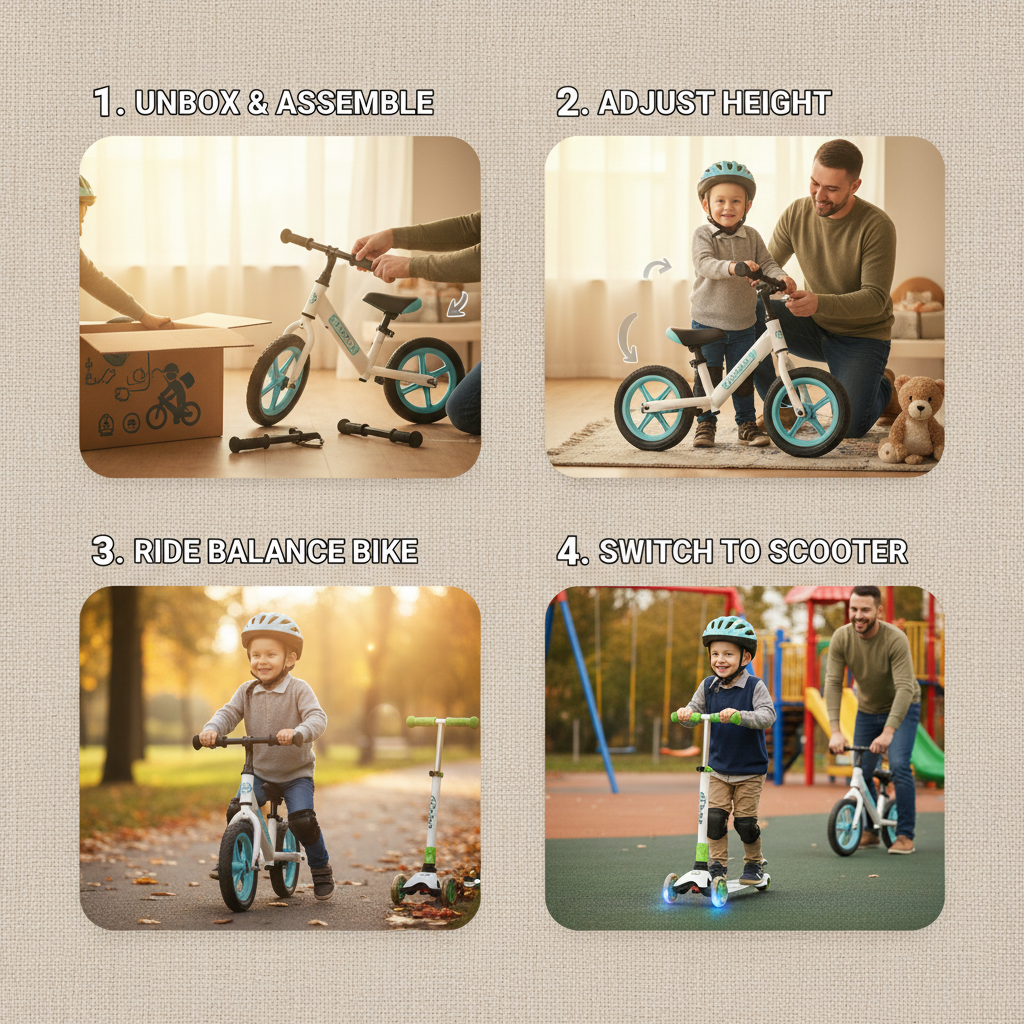
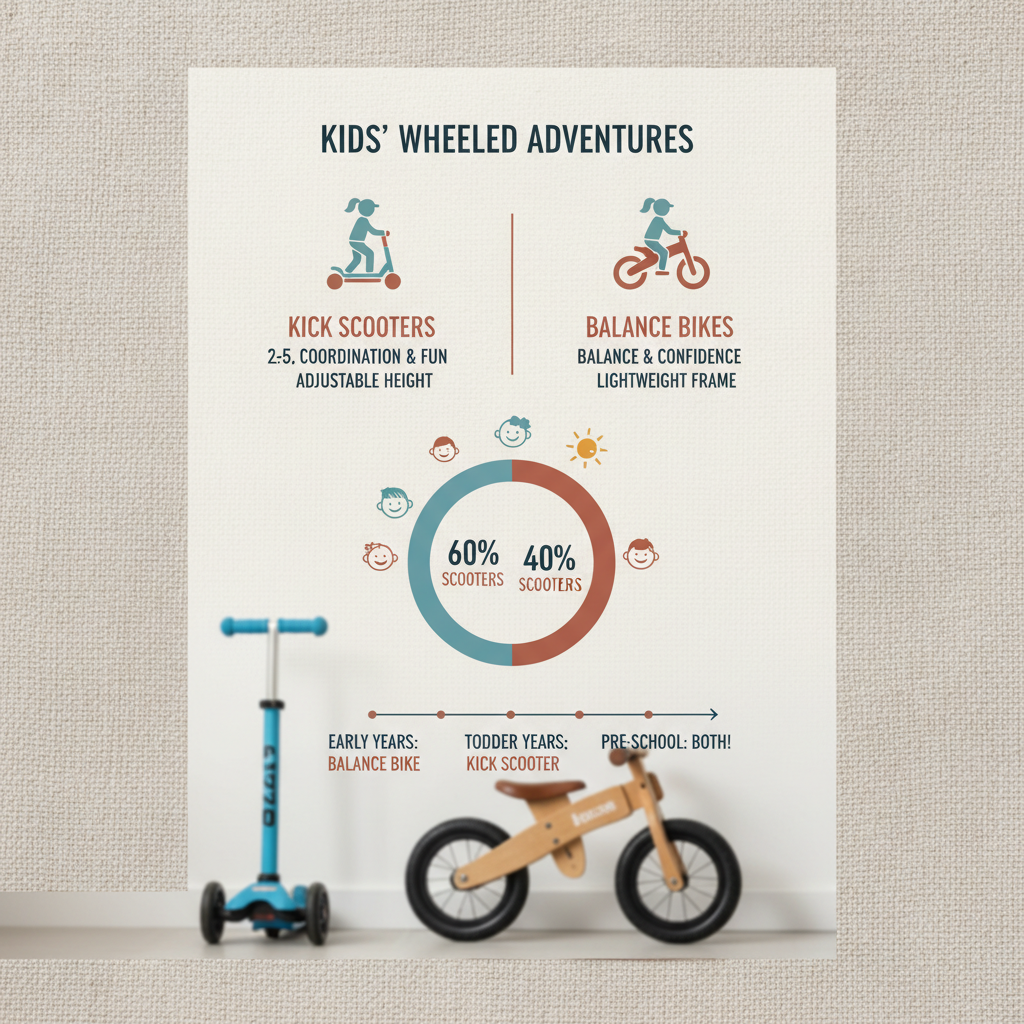
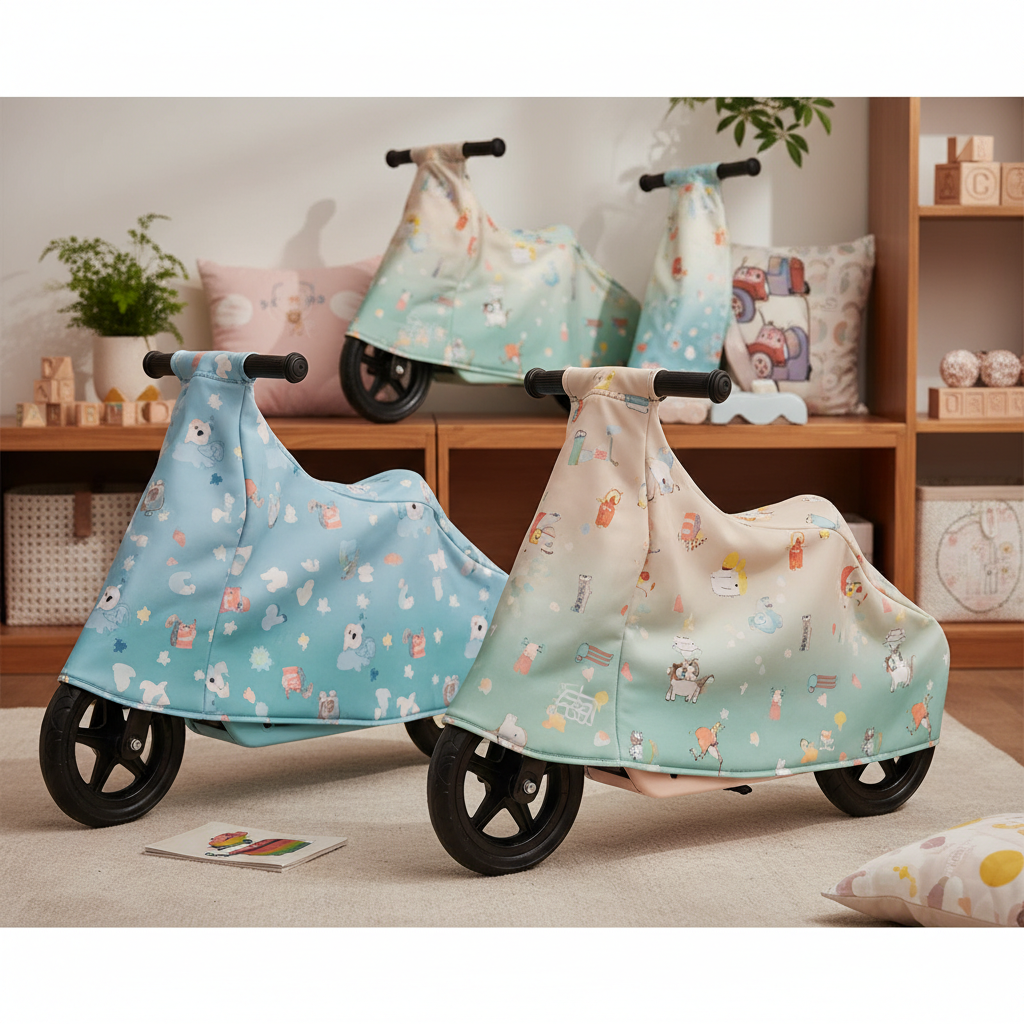
The global demand for versatile urban mobility has led to a significant surge in the popularity of the motorcycle moped scooter, bridging the gap between traditional bicycles and full-sized motorcycles. For children and adolescents, these vehicles are no longer just toys but essential tools for developing motor skills, spatial awareness, and a sense of independence. As urban centers become more congested, the shift toward compact, electric-powered alternatives is reshaping how families approach short-distance transportation and leisure.
Understanding the nuances of a high-quality motorcycle moped scooter involves looking beyond the surface aesthetics to the core engineering. From battery efficiency and frame durability to safety braking systems, the evolution of these vehicles reflects a broader industrial trend toward sustainable "micro-mobility." This shift is driven by a collective desire to reduce carbon footprints while maintaining the thrill and convenience of two-wheeled travel.
Whether used for educational purposes in early childhood development or as a practical commute tool for teens, the motorcycle moped scooter represents a fusion of entertainment and utility. By integrating smart technology and ergonomic design, manufacturers are creating safer, more efficient vehicles that cater to a diverse global market, ensuring that the joy of riding is accessible and secure for the next generation.
Global Market Context of Motorcycle Moped Scooter
On a global scale, the adoption of the motorcycle moped scooter has seen exponential growth, particularly in Southeast Asia and European urban hubs. According to recent industry trends mirroring ISO standards for light electric vehicles, there is a marked transition from internal combustion engines to lithium-ion powered systems. This shift is not merely a trend but a response to stringent emission regulations and the increasing cost of fossil fuels, making small-scale electric transport a strategic choice for millions.
However, the industry faces a significant challenge: balancing high-speed performance with absolute rider safety, especially for children's models. The gap between "toy" grade and "transport" grade vehicles often leaves consumers confused about durability and safety certifications. By standardizing build quality and implementing smarter speed limiters, the manufacturing sector is now addressing these concerns to provide a reliable experience for global users.
Defining the Modern Motorcycle Moped Scooter
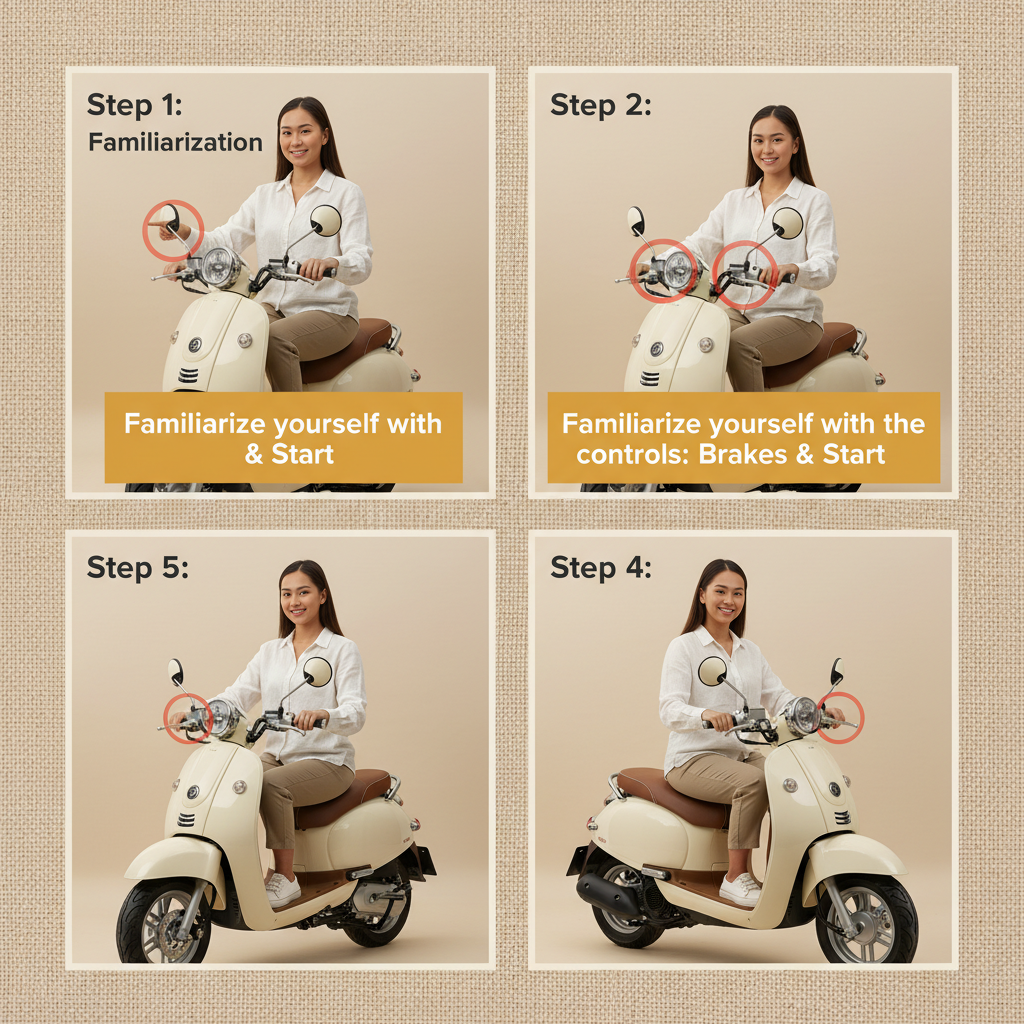
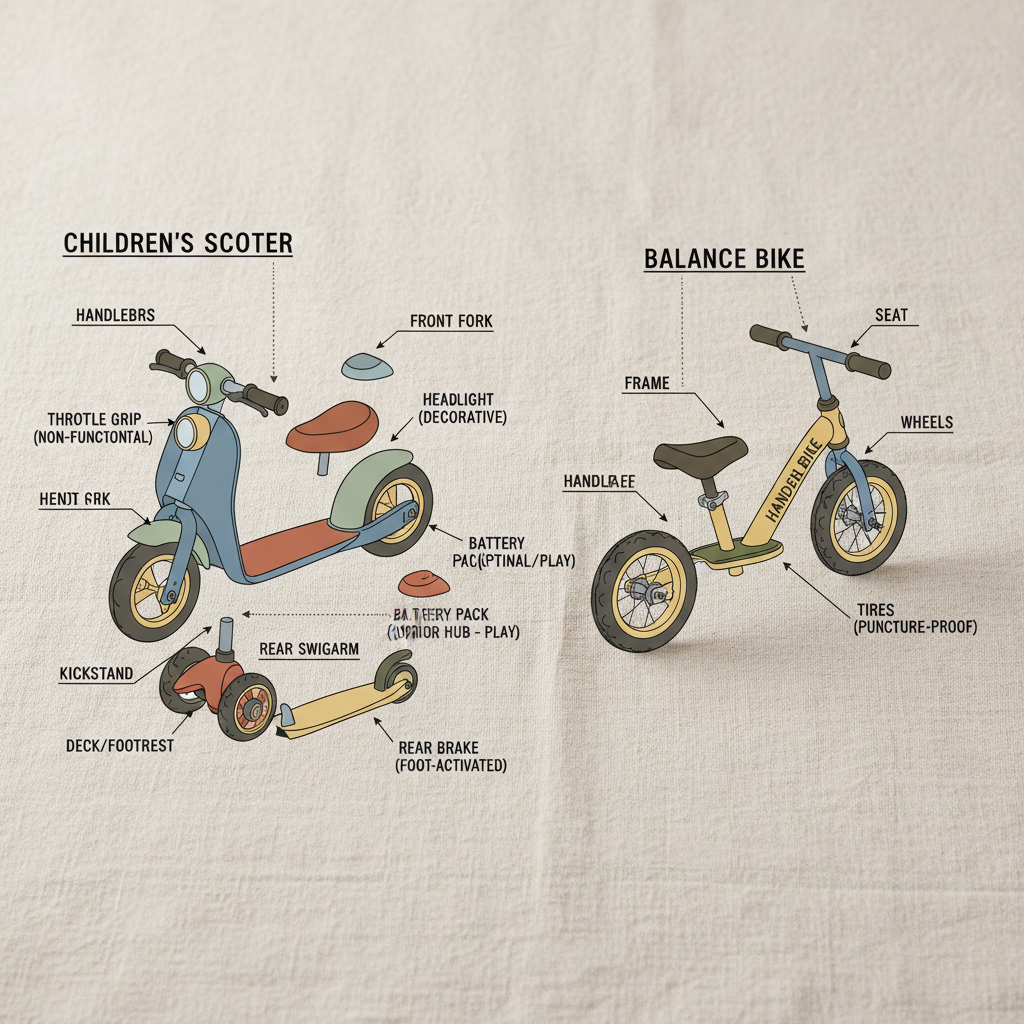
In simple terms, a motorcycle moped scooter is a lightweight, two-wheeled vehicle characterized by a step-through frame and a platform for the rider's feet. While "motorcycle" implies power and "moped" implies a pedal-assist or small engine, the modern "scooter" evolution emphasizes effortless glide and accessibility. For the children's electric vehicle market, this means creating a scaled-down version that mimics the look of a professional bike while prioritizing stability and low-center-of-gravity design.
Beyond the physical description, these vehicles serve a critical role in modern humanitarian and urban needs. In densely populated cities, they solve the "last-mile" problem, providing a way to navigate narrow alleys and congested streets where cars are impractical. In the context of children's toys, they act as an introduction to responsibility and traffic awareness, simulating real-world driving environments in a controlled, safe manner.
The connection to modern industry lies in the integration of IoT (Internet of Things) and smart battery management systems (BMS). Today's motorcycle moped scooter is often equipped with digital displays, remote kill-switches for parents, and regenerative braking, transforming a simple leisure product into a sophisticated piece of consumer electronics.
Core Components of High-Performance Scooters
Durability is the cornerstone of any reliable motorcycle moped scooter. High-grade reinforced plastics and alloy steel frames ensure that the vehicle can withstand the rigors of daily use, from accidental bumps to various weather conditions. For parents and commercial buyers, the structural integrity of the chassis is the primary indicator of the product's lifespan and the rider's safety.
Scalability in design allows a single motorcycle moped scooter platform to be adapted for different age groups and power requirements. By utilizing modular battery compartments and adjustable seat heights, manufacturers can offer a range of products—from toddler-friendly balance scooters to high-torque teen mopeds—without redesigning the entire engineering core.
Cost efficiency and energy management are the final critical factors. The implementation of high-density lithium cells ensures that the motorcycle moped scooter provides maximum range per charge, reducing the frequency of downtime. When combined with brushless DC motors, these vehicles achieve a level of efficiency that minimizes wear and tear, significantly lowering long-term maintenance costs for the owner.
Practical Applications and Use Cases
The application of the motorcycle moped scooter extends far beyond simple backyard play. In urban residential complexes, these vehicles are used as eco-friendly transit for children moving between home and local parks. In some developed regions, electric scooters are integrated into "youth mobility programs" that teach children the basics of road safety and vehicle maintenance before they transition to adult licenses.
Furthermore, the commercial sector has adapted these designs for specialized use. For instance, in large-scale resort areas or gated communities, modified versions of the motorcycle moped scooter are used by staff for rapid patrolling or guest services. Their small footprint and silent operation make them ideal for environments where noise pollution must be kept to a minimum.
Performance Analysis of Different Scooter Types
Long-Term Value and User Benefits
Investing in a premium motorcycle moped scooter yields tangible benefits in terms of sustainability and psychological development. By replacing short car trips with electric scooter rides, families significantly reduce their local carbon emissions. Logically, the low operational cost of electricity compared to gasoline makes these vehicles an economically sound choice for long-term use.
From an emotional perspective, the experience of riding a motorcycle moped scooter fosters a sense of dignity and autonomy in children. It builds confidence through the mastery of balance and coordination. Furthermore, the trust built between parent and child when setting boundaries—such as speed limits and designated riding zones—creates a foundation for responsible future behavior.
Future Innovations in Electric Mobility
The future of the motorcycle moped scooter is inextricably linked to the advancement of solid-state batteries. Unlike current lithium-ion cells, solid-state technology promises faster charging times and a significantly lower risk of overheating, which is a paramount concern for children's electric vehicles. This innovation will allow for longer excursions without the anxiety of battery depletion.
Digital transformation is also playing a key role. We are seeing the introduction of AI-driven safety systems that can detect obstacles in real-time and automatically slow down the motorcycle moped scooter to prevent collisions. These "smart" features move the product from a passive vehicle to an active safety companion.
Sustainability in materials is the third pillar of innovation. Manufacturers are increasingly turning to recycled ocean plastics and bio-based composites for the bodywork of the motorcycle moped scooter. This ensures that the vehicle is not only green in its operation but also in its creation and eventual disposal.
Overcoming Common Industry Challenges
Despite the growth, the industry struggles with battery standardization. Different brands use proprietary charging ports and cell configurations, making it difficult for users to find replacement parts. The solution lies in the adoption of universal charging standards, similar to USB-C for electronics, which would allow any motorcycle moped scooter to be charged via standard infrastructure.
Safety regulations often lag behind technological leaps. Many budget-grade scooters lack proper certification, leading to inconsistent braking performance. To overcome this, professional manufacturers are implementing rigorous multi-stage testing—including drop tests and stress-load simulations—to ensure that every motorcycle moped scooter meets international safety benchmarks.
Lastly, the challenge of "e-waste" is becoming prominent. As older models become obsolete, the disposal of large batteries poses an environmental risk. The industry is pivoting toward a "circular economy" model, where manufacturers provide buy-back programs to recycle batteries and refurbish old frames, ensuring that the motorcycle moped scooter remains a truly sustainable product.
Comparative Analysis of Scooter Engineering Standards
| Vehicle Tier |
Material Quality |
Battery Life (Hrs) |
Safety Rating (1-10) |
| Entry-Level Toy |
ABS Plastic |
1-2 Hours |
5 |
| Mid-Range Electric |
Mixed Alloy |
3-5 Hours |
7 |
| Premium Youth Model |
Reinforced Steel |
6-8 Hours |
9 |
| Professional Moped |
Aircraft Aluminum |
10+ Hours |
10 |
| Off-Road Edition |
Tungsten-Alloy |
4-6 Hours |
8 |
| Eco-City Compact |
Recycled Polymer |
7-9 Hours |
9 |
FAQS
Generally, children can start with balance-based scooters around age 3. For electric-powered motorcycle moped scooters, age 5-6 is usually recommended, provided there is adult supervision. It is essential to choose a model with adjustable speed settings to match the child's developmental stage and coordination levels.
Depending on the battery capacity and rider weight, most premium electric motorcycle moped scooters offer between 4 to 8 hours of intermittent use on a single charge. Using an energy-efficient brushless motor and maintaining proper tire pressure can help extend this range significantly.
Yes, absolutely. An electric motorcycle moped scooter produces zero tailpipe emissions and operates with significantly less noise pollution. When charged using renewable energy sources, they represent one of the most sustainable forms of micro-mobility available today.
Safety should always be the priority. At a minimum, riders should wear a certified helmet and closed-toe shoes. For higher-speed models, we strongly recommend knee and elbow pads, as well as high-visibility clothing to ensure the rider is seen by other motorists.
To prolong battery life, avoid letting the charge drop to 0% and avoid overcharging. Store the vehicle in a cool, dry place, as extreme temperatures can degrade lithium cells. Periodically charging the battery even during periods of non-use will keep the chemistry stable.
Yes, many models allow for the installation of wider, knobby tires for off-road use or smoother, high-grip tires for urban asphalt. Some advanced motorcycle moped scooters also feature adjustable suspension systems to handle bumpy terrain more effectively.
Conclusion
The evolution of the motorcycle moped scooter marks a pivotal moment in the intersection of play, education, and sustainable transport. By combining robust engineering, smart safety features, and eco-friendly power sources, these vehicles provide more than just mobility—they offer a pathway for the younger generation to engage with technology and responsibility. From the durability of the frame to the efficiency of the battery, every component is designed to ensure a safe and exhilarating experience.
Looking forward, the integration of AI and solid-state batteries will continue to push the boundaries of what a motorcycle moped scooter can achieve. We encourage parents and enthusiasts to prioritize quality and safety certifications over low prices to ensure long-term value and rider security. To explore our full range of high-performance children's electric vehicles and scooters, visit our website: www.dhelectrickidcar.com.