
Kids Full Face Motorcycle Helmet A Comprehensive Safety Guide
Kids Full Face Motorcycle Helmet: A Comprehensive Guide
Choosing the right motorcycle helmet for your child is a crucial decision, impacting their safety and confidence on the road. A kids full face motorcycle helmet offers the most comprehensive protection, shielding the entire head and face. This article will explore the importance of full-face helmets, key features to look for, sizing guidelines, and recommendations for selecting the best helmet for your little rider. Ensuring your child’s safety is paramount, and a quality helmet is the first line of defense.
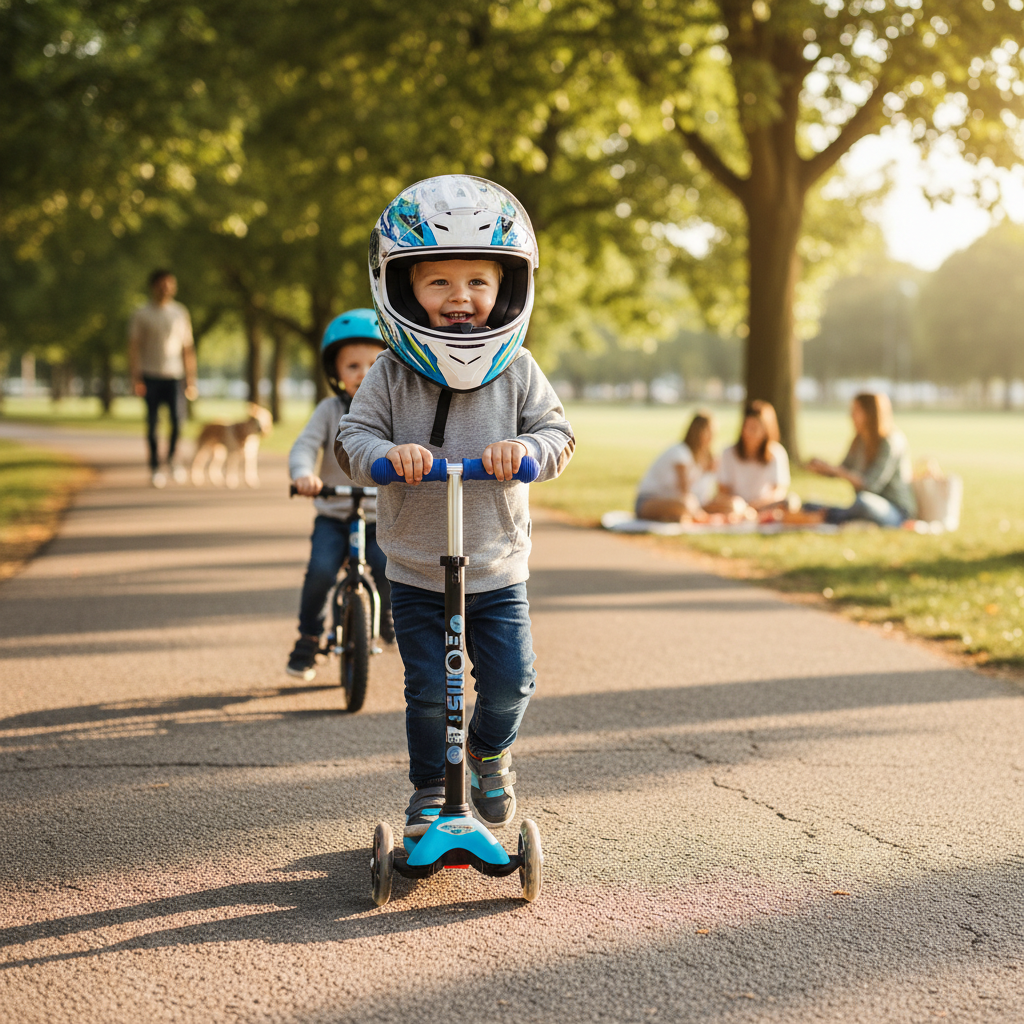
Why Choose a Full Face Motorcycle Helmet for Your Child?
Unlike open-face or half helmets, a full face motorcycle helmet provides complete protection for the head, face, and chin. This is particularly important for children, whose heads are more vulnerable to injury. Full coverage significantly reduces the risk of serious head trauma in the event of an accident. Furthermore, a full-face helmet offers additional benefits such as wind protection, noise reduction, and protection from debris like bugs and rocks. It's a proactive investment in your child’s well-being and a sign of responsible parenting.
Key Features to Consider in a Kids Full Face Motorcycle Helmet
When selecting a helmet, several key features should be prioritized. Look for helmets that meet or exceed safety standards like DOT (Department of Transportation) certification. The helmet should have a well-ventilated design to prevent overheating, especially during warmer weather. A comfortable inner liner is essential, as it directly impacts your child’s willingness to wear the helmet. Consider features like a quick-release buckle for easy fastening and removal, and a clear, scratch-resistant visor for optimal visibility. The shell material, typically polycarbonate or fiberglass, also plays a role in impact resistance.
Essential Features: DOT certification, good ventilation, comfortable liner, quick-release buckle, scratch-resistant visor.
Sizing and Fit: Ensuring Optimal Protection
Proper fit is paramount. A helmet that is too loose won't provide adequate protection, while one that is too tight can be uncomfortable and distracting. To determine the correct size, measure your child’s head circumference using a flexible measuring tape. Place the tape around the widest part of their head, just above the eyebrows. Refer to the helmet manufacturer’s sizing chart to find the corresponding size. Once you have a helmet, test the fit by gently moving it side to side and up and down. It shouldn’t move easily. The cheek pads should snug against the cheeks, and the chin strap should be securely fastened.
Fit Check Steps:
• Measure head circumference.
• Consult the manufacturer's sizing chart.
• Ensure a snug, but comfortable fit.
• Check for movement and cheek pad pressure.
Kids Full Face Motorcycle Helmet Comparison
Choosing between different kids full face motorcycle helmet models can be challenging. Here's a comparison of popular options based on key features:
Care and Maintenance of Your Child’s Helmet
To ensure the longevity and effectiveness of the helmet, proper care and maintenance are essential. Clean the helmet regularly with mild soap and water. Avoid using harsh chemicals or abrasive cleaners, as they can damage the shell and visor. Store the helmet in a cool, dry place away from direct sunlight. Regularly inspect the helmet for any signs of damage, such as cracks, dents, or loose padding. Replace the helmet immediately if any damage is detected.
Conclusion: Prioritizing Your Child's Safety
A kids full face motorcycle helmet is a non-negotiable safety item for any young rider. By investing in a quality helmet, prioritizing proper fit, and maintaining it diligently, you can significantly reduce the risk of head injuries and provide your child with the confidence to enjoy their riding experience. Remember, safety always comes first.
Frequently Asked Questions (FAQs)
How often should I replace my child's motorcycle helmet?
It’s generally recommended to replace a child's motorcycle helmet every 3-5 years, or sooner if it has been involved in an impact, even if there's no visible damage. Children also grow quickly, so ensure the helmet continues to fit properly as they age. A loose helmet is ineffective. Even without an accident, the materials in the helmet degrade over time, reducing its protective capabilities. Regular inspection is crucial, and any sign of damage warrants immediate replacement.
What safety certifications should I look for?
The most widely recognized safety certification is DOT (Department of Transportation). Look for helmets that meet or exceed this standard. Some helmets may also carry Snell or ECE certifications, which indicate even more rigorous testing. DOT certification is a minimum requirement, but Snell and ECE provide an added level of assurance. Always verify that the helmet displays a valid certification label.
Can my child wear the helmet with glasses or sunglasses?
Many full-face helmets are designed to accommodate glasses or sunglasses, but it's essential to ensure a comfortable and secure fit. Look for helmets with recessed areas near the temples to provide clearance for eyewear. Check that the glasses don't interfere with the helmet's sealing or visibility. If your child requires prescription glasses, consider options like helmet-compatible prescription inserts for optimal vision and protection.
What is the best way to clean the helmet's visor?
To clean the helmet's visor, use a mild soap and water solution with a soft cloth. Avoid abrasive cleaners or solvents, as they can scratch the visor and reduce visibility. Rinse thoroughly with clean water and dry with a soft, lint-free cloth. For stubborn dirt or grime, consider using a specialized visor cleaner designed for motorcycle helmets. Regular cleaning will help maintain clear visibility and prolong the life of the visor.
-
Choosing the Best Kids Helmet Motorcycle for Ultimate SafetyNewsApr.16,2026
-
The Ultimate Guide to Choosing a Kids Harley MotorcycleNewsApr.09,2026
-
Kids Full Face Motorcycle Helmet A Comprehensive Safety GuideNewsApr.07,2026
-
Kids Electric Motorcycle Guide For Fun Safe Outdoor RidingNewsApr.04,2026
-
Choosing the Right Kids Dot Motorcycle Helmet for Optimal SafetyNewsMar.31,2026
-
Comprehensive Guide to Choosing the Best Kids 12V Motorcycle for Safe FunNewsMar.28,2026