
When Can a Kid Sit on a Motorcycle? A Guide to Age and Safety Considerations
How Old Kid Can Sit on Motorcycle? A Comprehensive Guide
Determining the appropriate age for a child to ride on a motorcycle is a crucial safety consideration. It’s not simply about age, but rather a combination of physical and emotional maturity, as well as legal requirements. This article delves into the factors influencing this decision, providing a detailed guide for parents and guardians. Understanding the risks and adhering to safety guidelines is paramount. Explore the factors with us and ensure your child’s well-being. Find a range of electric kid’s cars at DH Electric Car, where safety and fun go hand-in-hand.
Age is Just a Number: Key Factors to Consider
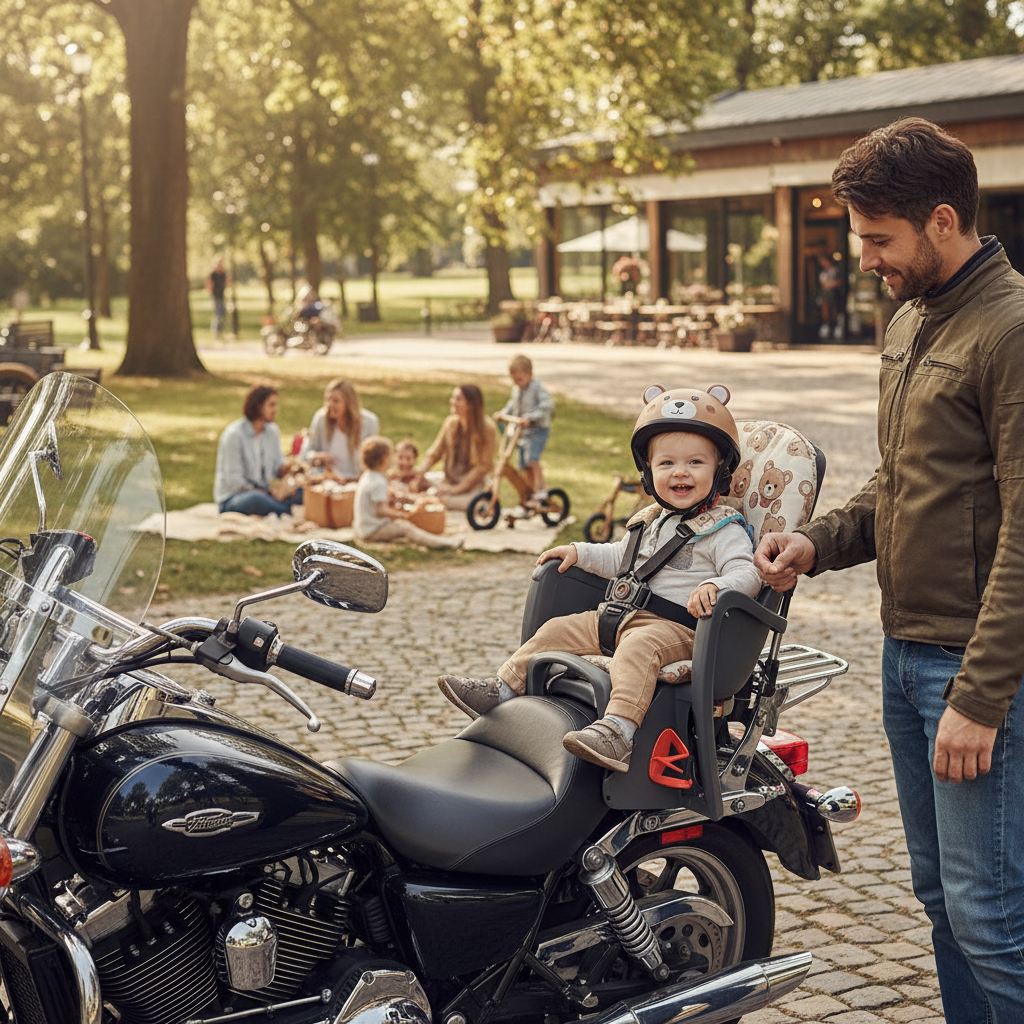
While there’s no single "right" age, most experts recommend that children shouldn't ride on a motorcycle as passengers until they are at least 5-6 years old. However, age is only one piece of the puzzle. Physical development is critical. A child needs sufficient leg length to reach the footpegs comfortably, core strength to maintain balance, and the ability to grip the motorcycle firmly. Emotional maturity plays a role, too. They must be able to follow instructions, remain calm and still during the ride, and understand the inherent dangers. Ignoring these factors can lead to serious injury.
Key Considerations: Sufficient leg length to reach footpegs, core strength for balance, ability to grip firmly, understanding of safety instructions, and emotional maturity to remain calm.
Legal Requirements: Varying by Location
Laws regarding motorcycle passengers vary significantly by state and country. Some jurisdictions have specific age and/or height requirements, while others leave it to the discretion of the parent or guardian. It's essential to research and comply with local regulations before allowing a child to ride. Failing to do so could result in fines or legal consequences. You can usually find this information on your state’s Department of Motor Vehicles (DMV) website. DH Electric Car promotes safe and legal riding experiences, starting with appropriate vehicles for children.
Legal Considerations:
• Research local laws and regulations.
• Check for age and height restrictions.
• Ensure compliance to avoid legal penalties.
How Old Should a Kid Be to Sit on a Motorcycle? A Comparative Look
Different organizations and experts offer varying guidance. Here's a comparison to provide a clearer picture:
Essential Safety Gear for Young Motorcycle Passengers
Regardless of age, proper safety gear is non-negotiable. This includes: a DOT-approved helmet specifically sized for the child, a durable jacket and pants (leather or reinforced textile), full-fingered gloves, and sturdy boots that cover the ankles. Consider adding ear protection, as wind noise can be damaging at motorcycle speeds. DH Electric Car champions prioritizing safety gear for all young riders, even on smaller electric vehicles.
Prioritizing Safety: A Checklist for Parents
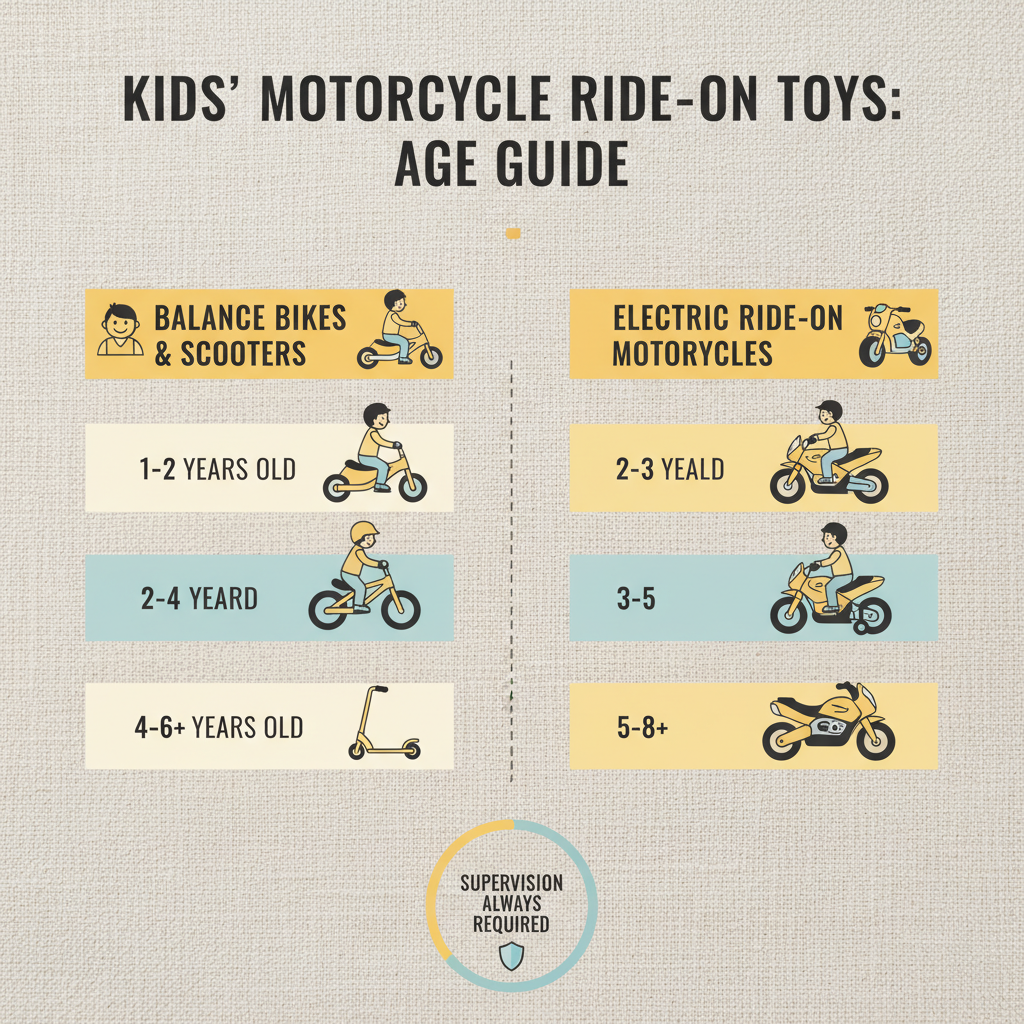
Before even considering allowing a child to ride, review this checklist: Is the child physically capable? (Can they reach footpegs, grip firmly?) Is the child emotionally mature enough to follow instructions? Do you fully understand and comply with local laws? Is all appropriate safety gear available and correctly fitted? Have you discussed the risks and safety procedures with the child? Remember, erring on the side of caution is always the best approach.
Conclusion: Safety First, Always
Determining when a child is ready to ride on a motorcycle is a serious decision that demands careful consideration. By prioritizing safety, understanding legal requirements, and assessing a child's physical and emotional maturity, you can help ensure a positive and safe experience. Explore safe alternatives, like the electric cars offered at DH Electric Car, for fun and age-appropriate riding adventures.
Frequently Asked Questions (FAQs)
What is the minimum height a child should be to safely ride on a motorcycle?
While there isn’t a universally agreed-upon height, a child generally needs to be at least 4’9” (57 inches) tall to comfortably reach the footpegs and maintain a secure position. However, height alone isn't sufficient; the child must also possess the necessary strength and coordination. Consider that shorter legs may compromise the ability to react effectively in an emergency. Prioritize a properly fitting motorcycle and ensure the child can comfortably and securely position their feet.
What are the risks of letting a young child ride on a motorcycle?
Young children are more vulnerable to injury in motorcycle accidents due to their smaller size, developing strength, and limited experience. Risks include head injuries, broken bones, and internal injuries. Even a minor accident can have severe consequences. Factors like the rider's skill, road conditions, and traffic density all contribute to the risk level. Prioritizing safety gear, proper training, and responsible riding habits is crucial.
Are there alternatives to motorcycle riding for young children?
Absolutely! Many safe and enjoyable alternatives exist, such as electric ride-on cars, bicycles with appropriate safety gear, scooters, and skateboarding with proper supervision. These options provide a sense of freedom and fun without the inherent risks associated with motorcycle riding. At DH Electric Car we offer a wide range of electric ride-on vehicles designed with safety and fun in mind.
How often should safety gear be replaced?
Helmets should be replaced every 3-5 years, or immediately after any impact, even if there is no visible damage. Gloves and jackets should be replaced if they are torn, worn, or have lost their protective properties. Regularly inspect all safety gear for wear and tear, and replace items as needed to ensure optimal protection. Following the manufacturer's recommendations for care and replacement is essential.
-
Choosing the Best Kids Helmet Motorcycle for Ultimate SafetyNewsApr.16,2026
-
The Ultimate Guide to Choosing a Kids Harley MotorcycleNewsApr.09,2026
-
Kids Full Face Motorcycle Helmet A Comprehensive Safety GuideNewsApr.07,2026
-
Kids Electric Motorcycle Guide For Fun Safe Outdoor RidingNewsApr.04,2026
-
Choosing the Right Kids Dot Motorcycle Helmet for Optimal SafetyNewsMar.31,2026
-
Comprehensive Guide to Choosing the Best Kids 12V Motorcycle for Safe FunNewsMar.28,2026