
Comprehensive Guide to Selecting Safe and Comfortable Kid Motorcycle Gear
Choosing the Right Kid Motorcycle Gear for Safety and Comfort
Protecting your child while they enjoy the thrill of riding a motorcycle or powersport vehicle is paramount. Selecting the appropriate kid motorcycle gear isn't just about compliance; it’s about ensuring their safety and allowing them to ride with confidence. This article will provide a comprehensive guide to understanding the essentials of kid motorcycle gear, covering everything from helmets and jackets to gloves and boots. We’ll delve into materials, fit, and key safety features to help you make informed decisions.
The Core Components of Kid Motorcycle Gear
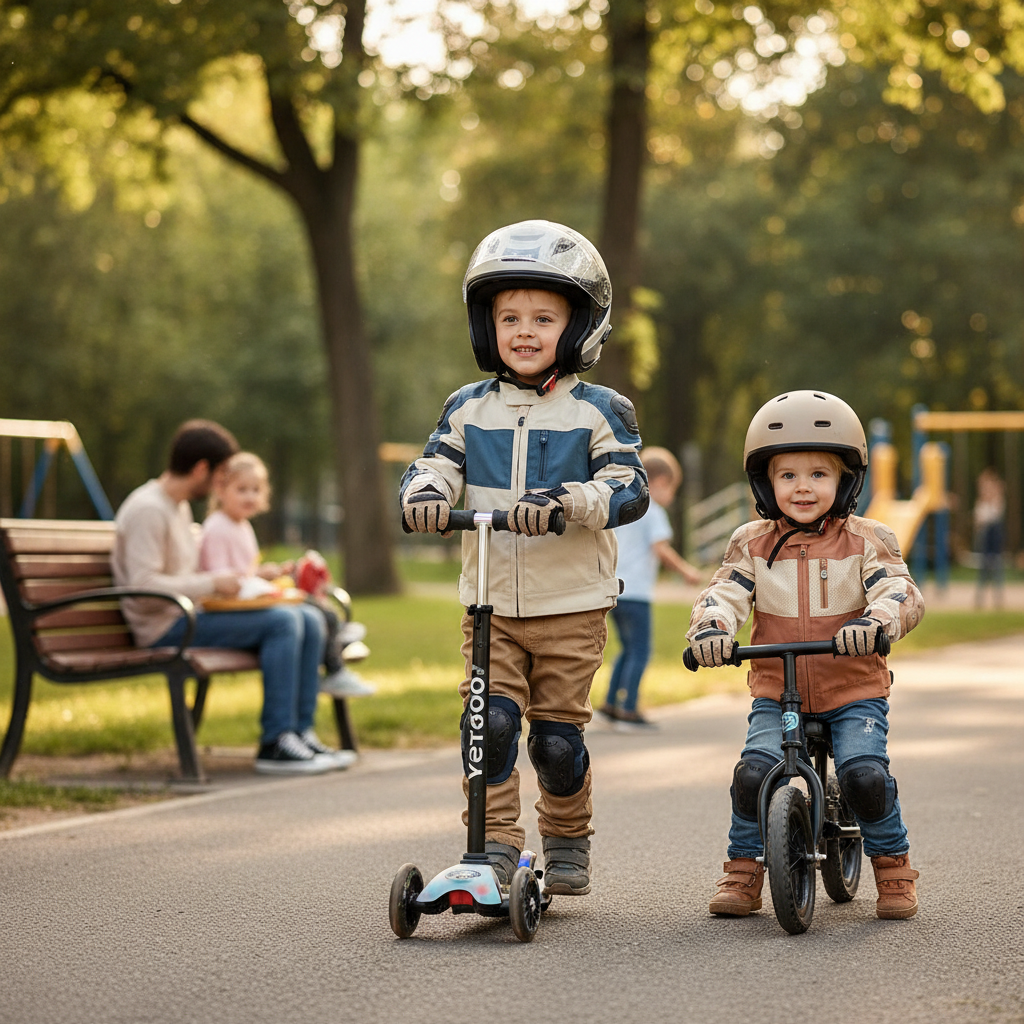
Essential kid motorcycle gear consists of several key components. A properly fitted helmet is non-negotiable, and should meet or exceed safety standards. A motorcycle jacket and pants made from abrasion-resistant materials (like reinforced textiles or leather) provide crucial protection in the event of a slide. Gloves are vital for protecting hands, and sturdy boots are essential for ankle and foot support. Consider also protective eyewear to shield their eyes from debris and wind. Investing in quality gear will minimize injuries and give you peace of mind.
Key Highlights: A properly fitted helmet is non-negotiable, abrasion-resistant materials, sturdy boots are essential for ankle and foot support.
Helmet Selection: Prioritizing Safety
Choosing the right helmet is arguably the most important aspect of kid motorcycle gear. Ensure the helmet meets DOT (Department of Transportation) and/or ECE (Economic Commission for Europe) safety standards. Proper fit is crucial – it should be snug but comfortable, without being too tight. Measure your child’s head circumference and consult the manufacturer’s sizing chart. Consider a helmet with features like adjustable straps, ventilation, and a clear visor.
Helmet Fit Checklist:
• Eyebrows should be covered by the helmet's brow shield.
• The helmet should sit level on the head, not rocking forward or backward.
• The chin strap should be securely fastened.
• There should be no excessive movement when the helmet is shaken.
Comparing Materials: Leather vs. Textile
When choosing jackets and pants, you’ll encounter two primary materials: leather and textile. Leather provides excellent abrasion resistance, but can be heavier and less breathable. Textiles (like Cordura or ballistic nylon) are lighter, more breathable, and often offer better weather protection. Many textile jackets and pants incorporate armor in key impact areas (shoulders, elbows, knees). The best choice depends on the climate and type of riding your child will be doing. Below is a comparison chart:
Kid Motorcycle Gear: Sizing and Fit
Accurate sizing is just as crucial as selecting the right materials. Gear that is too large won't provide adequate protection, while gear that's too small will be uncomfortable and restrictive. Always refer to the manufacturer's sizing chart, which typically uses height and weight as guidelines. Consider growth – you may want to size up slightly to allow for some growth, but avoid excessive looseness. Dhelectricidcar provides detailed sizing guides for all our kid's gear.
Investing in Quality Kid Motorcycle Gear: A Final Thought
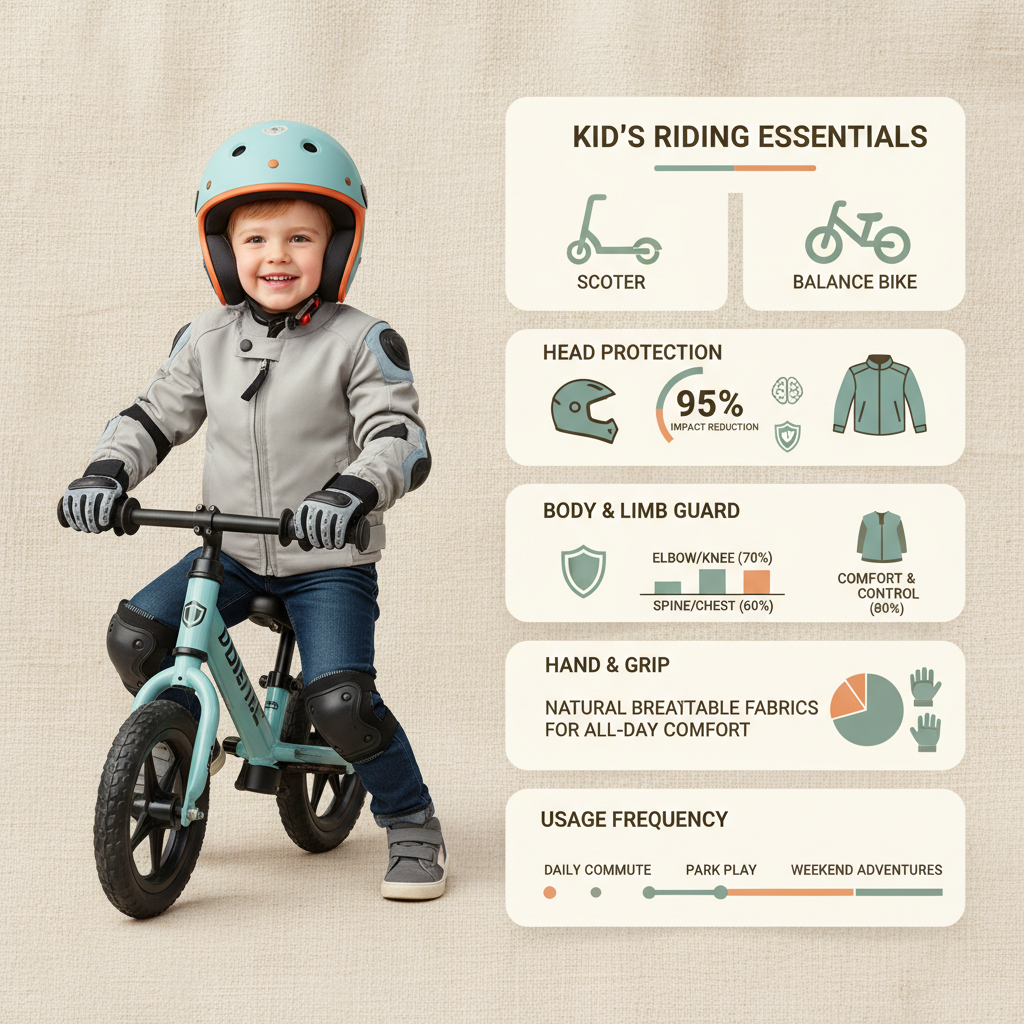
Prioritizing safety with the right kid motorcycle gear is an investment in your child's well-being. Don't compromise on quality or fit. By carefully considering the factors outlined in this guide, you can ensure your child is well-protected and able to enjoy their riding experience with confidence.
Conclusion: Protecting Young Riders
Choosing the appropriate gear is fundamental to safe riding. Invest in quality, ensure a proper fit, and prioritize safety standards.
Frequently Asked Questions (FAQs)
What safety certifications should I look for in a motorcycle helmet?
The most widely recognized safety certifications are DOT (Department of Transportation) in the United States and ECE (Economic Commission for Europe) internationally. These certifications indicate that the helmet has undergone rigorous testing to meet specific safety standards. It’s crucial to choose a helmet that carries one of these certifications to ensure it provides adequate protection in the event of an impact. Snell certification is another respected standard, offering even more stringent testing requirements.
How often should I replace my child’s motorcycle gear?
Helmets should be replaced every 3-5 years, even if there's no visible damage, as the materials degrade over time. Jackets and pants should be replaced if they've been involved in a crash or show significant wear and tear. Regularly inspect all gear for damage, such as tears, abrasions, or broken zippers. Growth spurts also necessitate replacements, ensuring a proper fit.
Are there different types of motorcycle gloves for kids?
Yes, there are several types of motorcycle gloves. Gauntlet gloves offer more coverage and protection, extending over the wrist. Short cuff gloves are more lightweight and breathable. Gloves can also vary in material – leather provides excellent abrasion resistance, while textile gloves are more affordable and breathable. Choose gloves that offer reinforced palms and knuckle protection.
What is the best way to clean and maintain kid motorcycle gear?
Follow the manufacturer's cleaning instructions. Generally, leather gear should be cleaned with a leather cleaner and conditioner. Textile gear can be hand-washed with mild soap and water. Avoid using harsh chemicals or abrasive cleaners. Allow gear to air dry completely before storing it. Proper maintenance will extend the lifespan of the gear and ensure it continues to provide adequate protection.
-
Choosing the Best Kids Helmet Motorcycle for Ultimate SafetyNewsApr.16,2026
-
The Ultimate Guide to Choosing a Kids Harley MotorcycleNewsApr.09,2026
-
Kids Full Face Motorcycle Helmet A Comprehensive Safety GuideNewsApr.07,2026
-
Kids Electric Motorcycle Guide For Fun Safe Outdoor RidingNewsApr.04,2026
-
Choosing the Right Kids Dot Motorcycle Helmet for Optimal SafetyNewsMar.31,2026
-
Comprehensive Guide to Choosing the Best Kids 12V Motorcycle for Safe FunNewsMar.28,2026