
Choosing the Right Kid Motorcycle Helmets for Optimal Safety and Fit
Choosing the Right Kid Motorcycle Helmets: A Comprehensive Guide
Ensuring your child’s safety while they enjoy riding a motorcycle or similar vehicle is paramount. Selecting the right kid motorcycle helmet is a critical decision. This guide will cover everything you need to know, from understanding safety standards to choosing the perfect fit and features. We’ll delve into the essential aspects of kid motorcycle helmets, providing peace of mind for parents and a safe riding experience for children.
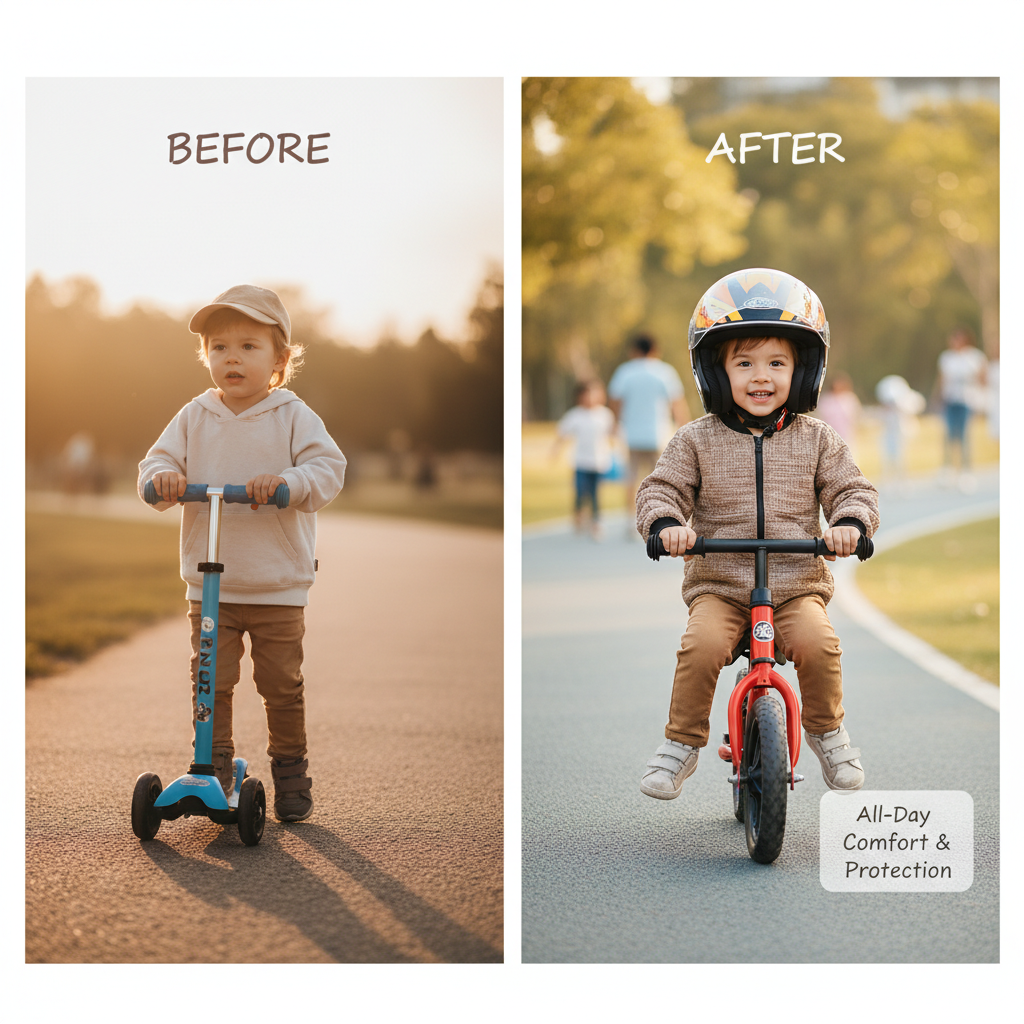
Understanding Safety Standards for Kid Motorcycle Helmets
When it comes to kid motorcycle helmets, safety standards are the cornerstone of protection. Look for helmets that meet or exceed certifications from organizations like the Department of Transportation (DOT) in the US, or ECE 22.05 in Europe. These certifications ensure the helmet has undergone rigorous testing to meet specific impact resistance, penetration resistance, and retention system requirements. Always verify the helmet has the official certification sticker – a sign it’s been properly tested. Ignoring these standards could put your child at serious risk.
Key Takeaway: Prioritize helmets with DOT or ECE 22.05 certification for guaranteed safety and compliance.
Finding the Right Fit: A Critical Aspect of Kid Motorcycle Helmet Safety
A properly fitted kid motorcycle helmet is as important as the safety standards it meets. Too loose, and it won’t provide adequate protection in a crash. Too tight, and it will be uncomfortable, potentially distracting the rider. To ensure a correct fit, measure your child's head circumference. The helmet should sit level on the head, covering the forehead. Check for a snug, but comfortable fit. You should be able to gently wiggle the helmet, but it shouldn’t move around easily. The chin strap should be securely fastened, allowing only one or two fingers to fit between the strap and the chin.
Fit Checklist:
• Measure head circumference accurately.
• Helmet sits level, covering the forehead.
• Snug but comfortable fit.
• Secure chin strap with limited movement.
Types of Kid Motorcycle Helmets and Their Features
Several types of kid motorcycle helmets are available, each designed for different riding styles and levels of protection. Full-face helmets offer the highest level of protection, covering the entire head and face. Open-face (or ¾) helmets protect the top, back, and sides of the head but leave the face exposed. Motocross helmets have a pronounced chin bar and visor, ideal for off-road riding. Consider the type of riding your child will be doing when choosing a helmet. Features like adjustable visors, ventilation systems, and removable liners can enhance comfort and functionality.
Material Matters: Understanding Helmet Shell Construction
The material of the helmet shell significantly impacts its ability to absorb impact. Common materials include polycarbonate and fiberglass. Polycarbonate helmets are generally more affordable but may offer slightly less protection than fiberglass. Fiberglass helmets are lighter and stronger, providing superior impact resistance. More advanced helmets utilize composite materials that combine the benefits of both. When selecting a helmet, consider the material and its protective qualities in relation to your budget and riding needs. Dhelectricidcar offers a variety of options for all budgets.
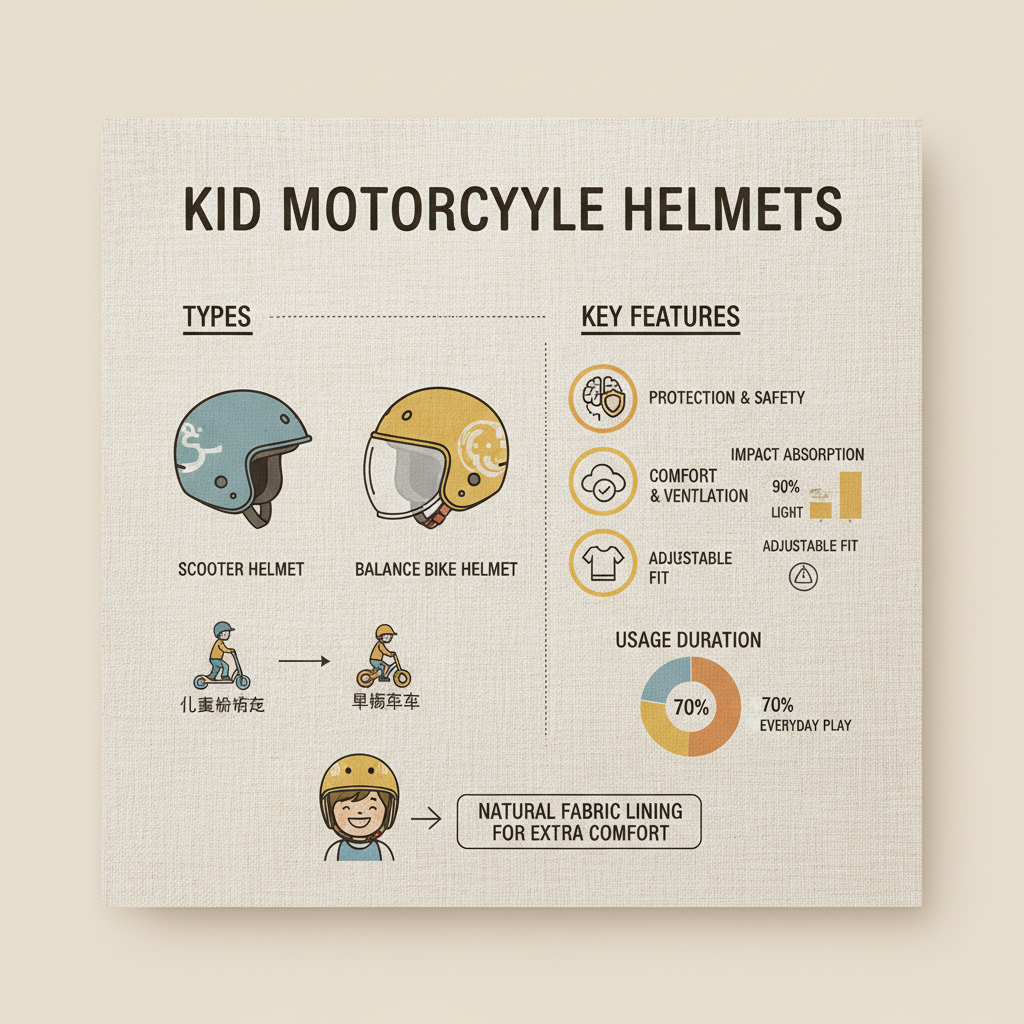
Proper Helmet Maintenance and Replacement
Even the best kid motorcycle helmet won’t last forever. Regular maintenance is crucial. Clean the helmet regularly with mild soap and water. Avoid harsh chemicals, as they can damage the shell. Inspect the helmet for cracks, dents, or damage to the lining after each ride. Replace the helmet immediately if it has been involved in a crash, even if there’s no visible damage. Helmets should also be replaced every 3-5 years, even with normal use, as the materials degrade over time.
Conclusion: Prioritizing Safety with the Right Kid Motorcycle Helmet
Choosing the right kid motorcycle helmet is an investment in your child’s safety. By understanding safety standards, ensuring a proper fit, considering the materials, and performing regular maintenance, you can provide the best possible protection. Visit Dhelectricidcar today to explore our wide selection of quality helmets.
Frequently Asked Questions (FAQs)
What size helmet should I buy for my child?
Accurate measurement is key! Use a flexible measuring tape to measure the circumference of your child's head, about an inch above their eyebrows. Compare this measurement to the helmet manufacturer's size chart. It's better to err on the side of slightly larger than too small, as you can use padding to adjust the fit. Always prioritize a snug but comfortable fit that doesn’t allow the helmet to wobble.
Can my child wear a helmet that’s been previously used?
It’s strongly discouraged. Even if a helmet appears undamaged, its protective capabilities may have been compromised if it's been involved in a crash. The internal liner can also absorb sweat and oils over time, leading to bacteria buildup and potential discomfort. A new helmet ensures optimal protection and hygiene.
How do I clean a kid’s motorcycle helmet safely?
Use mild soap and lukewarm water. Remove the liner and cheek pads (if removable) and wash them separately. Gently wipe down the helmet shell with a soft cloth. Avoid harsh chemicals, abrasive cleaners, and solvents, as these can damage the shell and liner. Allow all components to air dry completely before reassembling the helmet.
What should I do if the helmet doesn’t fit properly?
If the helmet feels too loose, try adjusting the straps and padding. If it's still too loose, it’s not the right size and you need to get a larger one. If it's too tight, try loosening the straps, but if it still feels uncomfortable, it's too small, and you’ll need to choose a smaller size. A proper fit is non-negotiable for safety.
-
Choosing the Best Kids Helmet Motorcycle for Ultimate SafetyNewsApr.16,2026
-
The Ultimate Guide to Choosing a Kids Harley MotorcycleNewsApr.09,2026
-
Kids Full Face Motorcycle Helmet A Comprehensive Safety GuideNewsApr.07,2026
-
Kids Electric Motorcycle Guide For Fun Safe Outdoor RidingNewsApr.04,2026
-
Choosing the Right Kids Dot Motorcycle Helmet for Optimal SafetyNewsMar.31,2026
-
Comprehensive Guide to Choosing the Best Kids 12V Motorcycle for Safe FunNewsMar.28,2026