Choosing the Perfect Kids Motorcycle for Safe and Fun Adventures
Choosing the Right Kids Motorcycle: A Comprehensive Guide
Finding the perfect kids motorcycle can be an exciting experience for both parents and children. However, with so many options available, it's crucial to consider safety, age-appropriateness, and features. This guide will provide a detailed overview of what to look for when purchasing a kids motorcycle, covering everything from electric vs. gas-powered options to essential safety equipment. We’ll help you navigate the choices and ensure your child enjoys a fun and safe riding experience.
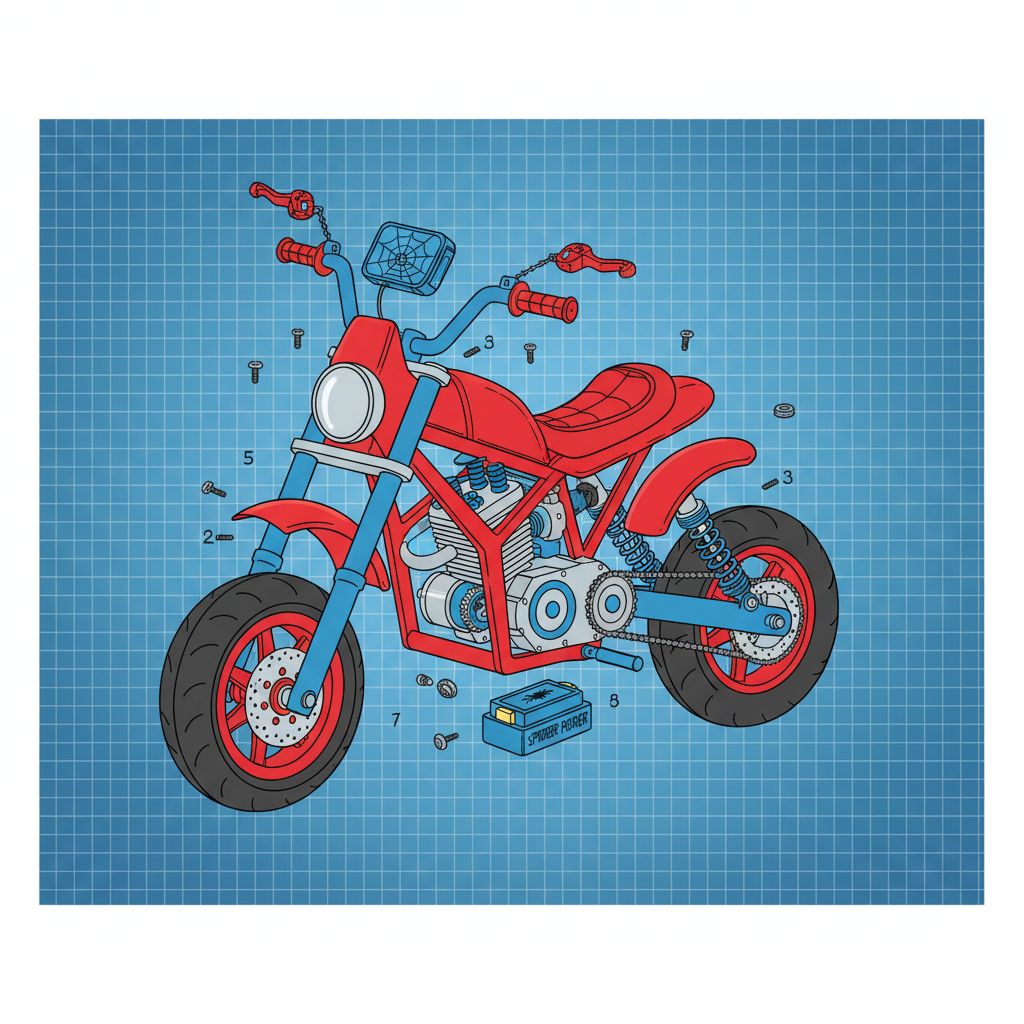
Electric vs. Gas-Powered Kids Motorcycles
One of the first decisions you’ll need to make is whether to choose an electric or gas-powered kids motorcycle. Electric models are becoming increasingly popular due to their quiet operation, ease of use, and environmental friendliness. They require minimal maintenance and are generally suitable for younger riders. Gas-powered motorcycles, on the other hand, offer a more authentic riding experience, with realistic engine sounds and higher speeds. However, they require more maintenance, produce emissions, and are typically better suited for older, more experienced riders. Ultimately, the best choice depends on your child’s age, experience level, and your personal preferences. Explore our range of kids motorcycles today!
Key Considerations: Electric models are quieter, require less maintenance, and are better for younger riders. Gas-powered models offer a more authentic experience but require more upkeep and are better suited for older children.
Age and Size Considerations for Kids Motorcycles
Choosing a motorcycle that’s appropriately sized for your child is critical for both safety and enjoyment. Manufacturers typically recommend age and weight limits for each model. A motorcycle that is too large will be difficult to control, while one that is too small will be uncomfortable and may not provide adequate support. Consider your child’s height, inseam, and weight when making your decision. Always prioritize a motorcycle that allows your child to comfortably reach the handlebars and footpegs. A properly sized kids motorcycle will instill confidence and encourage safe riding habits.
Age & Size Guide:
• 3-5 years old: Small electric scooters or balance bikes
• 6-8 years old: Electric motorcycles with limited speed
• 9-12 years old: Larger electric or small gas-powered motorcycles (with supervision)
• 12+ years old: More powerful gas-powered motorcycles (with experience and proper licensing)
Comparing Popular Kids Motorcycle Models
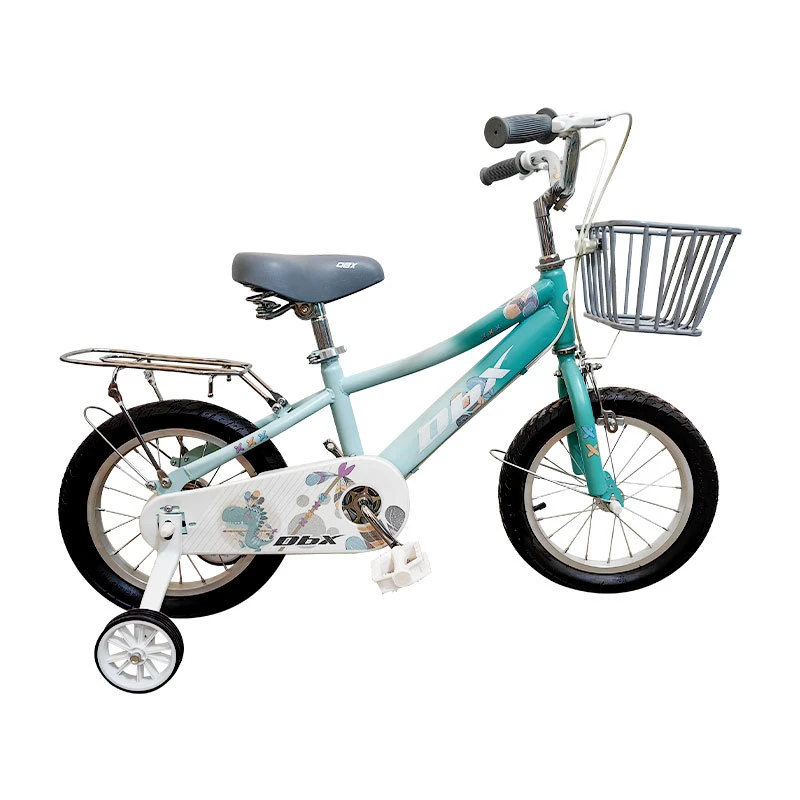
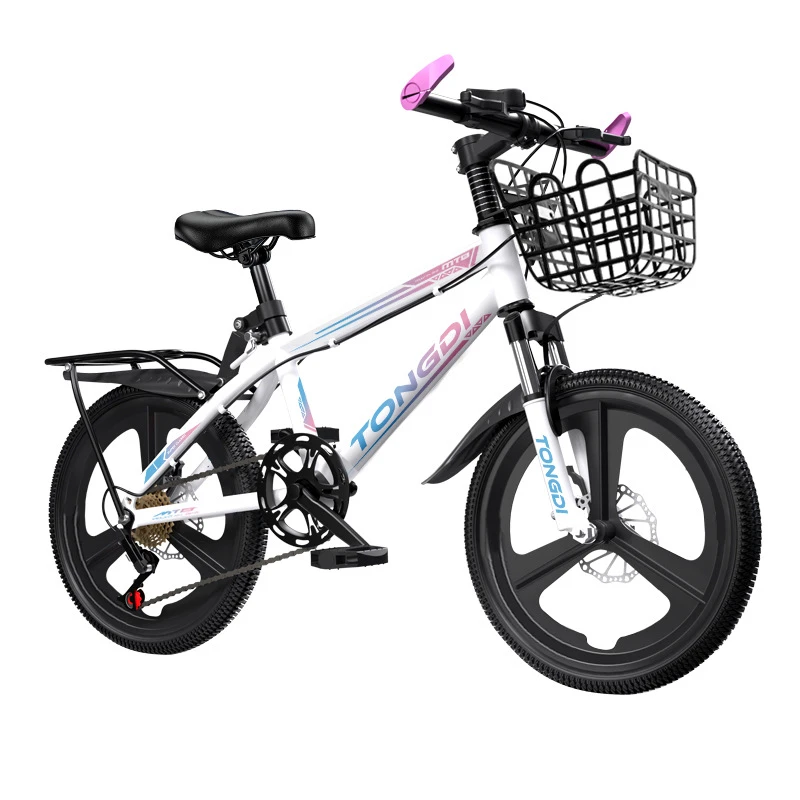
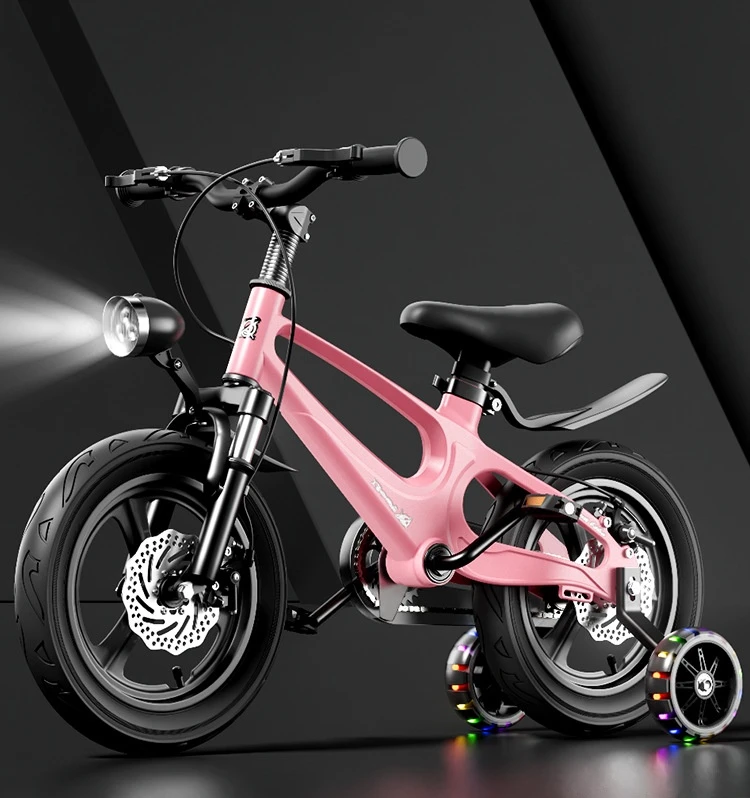
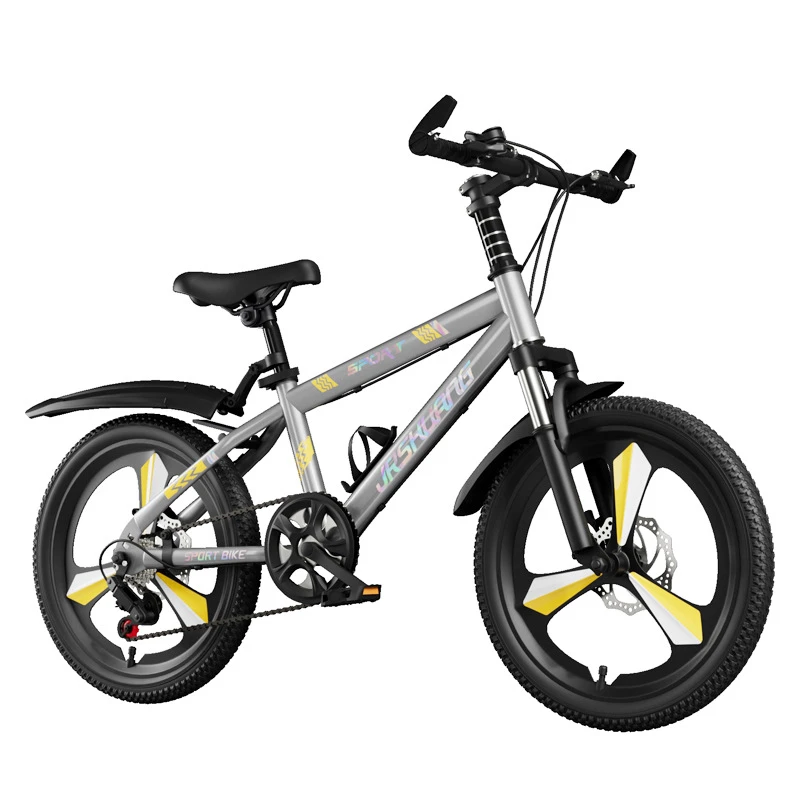
The market offers a diverse range of kids motorcycle models, each with unique features and price points. Here’s a comparison of some popular options:
Essential Safety Equipment for Kids Motorcycle Riders
Safety should always be the top priority when riding a kids motorcycle. In addition to choosing a properly sized motorcycle, it’s essential to equip your child with the right safety gear. This includes a properly fitted helmet (DOT-approved is highly recommended), elbow pads, knee pads, gloves, and sturdy footwear. Consider a motorcycle jacket or vest for added protection. Supervision is crucial, especially for younger or less experienced riders. Ensure your child understands and follows all safety rules before operating the motorcycle. Remember, investing in safety gear is an investment in your child’s well-being.
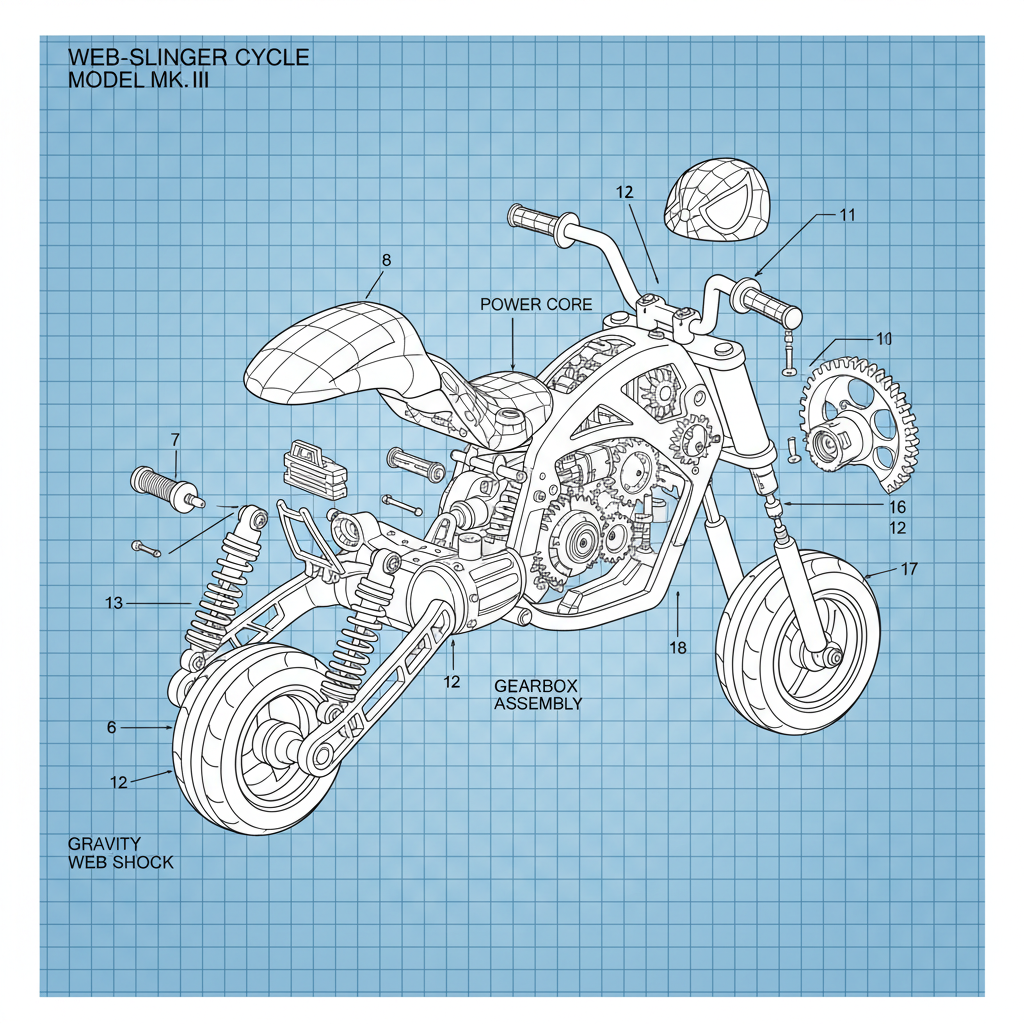
Maintenance and Care Tips for Kids Motorcycles
Regular maintenance is crucial for ensuring the longevity and safe operation of your child’s motorcycle. For electric models, regularly check the battery charge and connections. For gas-powered models, check the oil level, air filter, and tire pressure. Keep the motorcycle clean and store it in a dry location. Follow the manufacturer’s recommendations for maintenance schedules. If you’re not comfortable performing maintenance yourself, consider taking the motorcycle to a qualified mechanic. Proper care will help keep your child’s motorcycle running smoothly and safely for years to come. Find quality parts and accessories on our website!
Conclusion: Ensuring a Safe and Fun Riding Experience
Choosing the right kids motorcycle is a significant decision that requires careful consideration. By prioritizing safety, age-appropriateness, and proper maintenance, you can provide your child with a fun and memorable riding experience. Remember to always supervise young riders and equip them with the necessary safety gear. With the right knowledge and preparation, you can ensure that your child enjoys the thrill of riding safely and responsibly.
Frequently Asked Questions (FAQs)
What is the recommended helmet standard for kids motorcycles?
A DOT (Department of Transportation) approved helmet is highly recommended. DOT certification ensures the helmet meets specific safety standards for impact resistance and coverage. Look for a helmet that fits snugly and comfortably, and always ensure the chin strap is securely fastened. A full-face helmet offers the most comprehensive protection, but an open-face helmet may be suitable for slower speeds and warmer weather. Regularly inspect the helmet for any signs of damage and replace it if necessary.
How often should I charge the battery of an electric kids motorcycle?
The charging frequency depends on the battery type and usage. Generally, it's best to charge the battery after each use, even if it hasn't been fully depleted. Avoid leaving the battery on the charger for extended periods, as this can reduce its lifespan. Refer to the manufacturer's instructions for specific charging guidelines. Store the battery in a cool, dry place when not in use.
What is the best way to teach a child to ride a kids motorcycle safely?
Start in a safe, controlled environment, such as a large, flat, and open space away from traffic. Begin by letting your child familiarize themselves with the motorcycle’s controls. Teach them how to start and stop, and practice slow-speed maneuvers. Emphasize the importance of wearing safety gear and following traffic rules. Provide constant supervision and encouragement, and gradually increase the complexity of the riding environment as your child gains confidence and skill. Browse our safety equipment!
Are there any weight limits for kids motorcycles?
Yes, all kids motorcycles have weight limits specified by the manufacturer. It’s essential to adhere to these limits to ensure safe operation. Exceeding the weight limit can affect the motorcycle's stability and braking performance, increasing the risk of accidents. Always check the product specifications before purchasing a motorcycle to ensure it can accommodate your child's weight.
-
Choosing the Best Kids Helmet Motorcycle for Ultimate SafetyNewsApr.16,2026
-
The Ultimate Guide to Choosing a Kids Harley MotorcycleNewsApr.09,2026
-
Kids Full Face Motorcycle Helmet A Comprehensive Safety GuideNewsApr.07,2026
-
Kids Electric Motorcycle Guide For Fun Safe Outdoor RidingNewsApr.04,2026
-
Choosing the Right Kids Dot Motorcycle Helmet for Optimal SafetyNewsMar.31,2026
-
Comprehensive Guide to Choosing the Best Kids 12V Motorcycle for Safe FunNewsMar.28,2026
-
Essential Guide to Choosing the Right Kid Size Motorcycle Helmets for SafetyNewsMar.26,2026