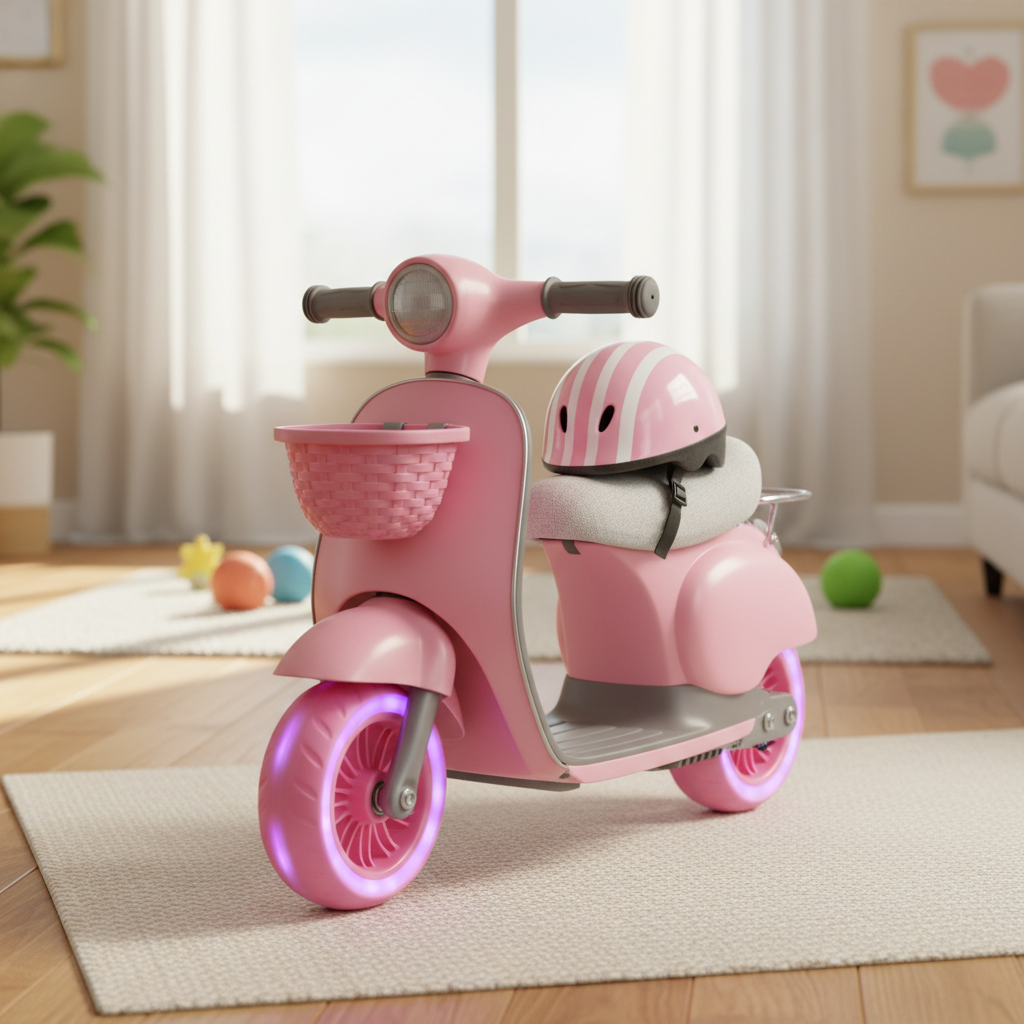
The global transition toward sustainable urban mobility has propelled electric scooter motorcycles from niche novelty items to essential transportation tools for the modern era. As cities become more congested and the environmental impact of internal combustion engines becomes undeniable, these electrified vehicles offer a seamless blend of agility, efficiency, and eco-friendliness, catering to a diverse demographic from young commuters to adventure seekers.
Understanding the mechanics and market dynamics of electric scooter motorcycles is crucial for consumers and manufacturers alike, as it represents a shift in how we perceive "the last mile" of travel. By integrating high-capacity lithium batteries with lightweight alloy frames, these vehicles reduce carbon footprints while providing a cost-effective alternative to traditional petrol-powered bikes, fundamentally altering the landscape of personal transit.
Whether utilized for leisure in suburban neighborhoods or as primary transport in dense metropolitan hubs, the rise of these vehicles is supported by rapid advancements in battery density and smart integration. This guide explores the technical nuances, practical applications, and future trajectory of electric scooter motorcycles, ensuring you have the comprehensive knowledge needed to navigate this evolving industry.
The Evolution and Global Impact of Electric Scooter Motorcycles
The emergence of electric scooter motorcycles is not an isolated trend but a response to global urbanization and the urgent need for decarbonization. According to trends observed in ISO standards and urban planning data, the shift toward micromobility has seen an exponential increase in adoption across Southeast Asia and Europe, where narrow streets and high fuel costs make electrified two-wheelers the most pragmatic choice for daily commuting.
Beyond mere convenience, these vehicles address the systemic failure of traditional public transport to cover the "first and last mile" efficiently. By providing a flexible, zero-emission alternative, they reduce the reliance on ride-sharing cars and petrol bikes, effectively lowering city-wide noise pollution and greenhouse gas emissions while increasing the overall fluidity of urban traffic flow.
Defining the Architecture of Electric Scooter Motorcycles
In simple terms, electric scooter motorcycles are two-wheeled vehicles powered by an electric motor and a rechargeable battery pack, designed to bridge the gap between a lightweight kick-scooter and a full-sized motorcycle. Unlike traditional bikes, they eliminate the need for complex transmissions and exhaust systems, resulting in a cleaner, quieter, and more streamlined mechanical design.
From an industrial perspective, the architecture of these vehicles is centered around the integration of the Battery Management System (BMS) and the motor controller. This synergy ensures that power is delivered smoothly to the wheels, preventing sudden jolts while maximizing the range provided by the lithium-ion cells. This focus on electronic precision allows for a variety of configurations, from child-friendly low-speed models to high-performance commuter versions.
Connecting to modern humanitarian and industrial needs, these vehicles provide essential mobility in regions where fuel infrastructure is unreliable or non-existent. Their ability to be charged from standard electrical outlets makes them an indispensable tool for healthcare workers in remote areas or delivery personnel in emerging smart cities, proving that the value of these machines extends far beyond simple recreation.
Core Components Ensuring Performance and Safety
Durability is a cornerstone of electric scooter motorcycles, achieved through the use of aerospace-grade aluminum or reinforced steel frames. These materials ensure that the vehicle can withstand the stresses of daily urban use, such as potholes and curb impacts, without compromising the structural integrity of the battery housing, which is the most critical part of the chassis.
The heart of the system lies in the energy density of the battery and the efficiency of the brushless DC motor. High-quality electric scooter motorcycles utilize lithium-iron-phosphate (LiFePO4) or Nickel-Manganese-Cobalt (NMC) cells to provide a balance between long-term lifespan and rapid acceleration, ensuring that users can travel further on a single charge.
Safety is integrated through regenerative braking systems and electronic stability control. By converting kinetic energy back into electrical energy during deceleration, these systems not only extend the battery life but also provide a smoother, more predictable stopping distance, which is paramount when navigating through unpredictable city traffic or teaching children the basics of road safety.
Evaluating Efficiency Across Different Models
When analyzing the performance of electric scooter motorcycles, it is essential to look beyond top speed and focus on "real-world efficiency." This includes the ratio of weight to power, the efficiency of the tire compound in reducing rolling resistance, and the intelligence of the power-saving modes implemented in the software.
Different models are engineered for specific user needs; for instance, a child's electric vehicle prioritizes safety limits and stability over speed, whereas a commuter model focuses on range and cargo capacity. The following data represents a comparative analysis of performance ratings across five common configurations of electrified two-wheelers.
Performance Metrics of Electric Scooter Motorcycles
Real-World Applications and Global Use Cases
In the bustling streets of Taipei and Paris, electric scooter motorcycles have become the backbone of the "gig economy." Delivery fleets have pivoted away from petrol scooters to electric versions to avoid rising fuel costs and to comply with new "Zero Emission Zones" implemented by municipal governments to improve air quality.
Beyond commercial use, these vehicles are transforming childhood development and leisure. Parents are increasingly choosing electric bikes and scooters as a way to introduce children to the responsibility of vehicle maintenance and road safety in a controlled, low-risk environment, fostering a generation that views sustainable transport as the default rather than the alternative.
The Long-Term Economic and Environmental Value
The financial logic behind adopting electric scooter motorcycles is compelling. When comparing the Total Cost of Ownership (TCO), the absence of oil changes, spark plug replacements, and expensive fuel makes the electric alternative significantly cheaper over a three-to-five-year period. The energy cost per kilometer is a fraction of that of a combustion engine, providing tangible relief to household budgets.
Environmentally, the impact is equally profound. By replacing short car trips with electric scooter journeys, cities can drastically reduce the "heat island" effect and nitrogen dioxide levels. The shift toward circular economy principles—where batteries are recycled or repurposed for home energy storage—further enhances the sustainability profile of these vehicles.
Emotionally, the transition to electric mobility brings a sense of innovation and trust. Users experience a quieter, vibration-free ride that reduces stress during commutes. For children, the excitement of a high-tech "electric ride" builds a positive association with green technology, framing sustainability as something aspirational and fun rather than restrictive.
Future Innovations and Industry Challenges
Looking ahead, the next frontier for electric scooter motorcycles involves the integration of Solid-State Batteries (SSBs). These promised advancements will likely eliminate the risk of thermal runaway (fire) and double the current energy density, allowing for longer ranges without increasing the vehicle's physical footprint.
Digital transformation is also playing a key role through "IoT Connectivity." Future models will feature integrated GPS, anti-theft biometric locking, and over-the-air (OTA) software updates that can optimize battery efficiency based on the user's riding habits, effectively making the vehicle "smarter" the longer it is owned.
Despite the optimism, challenges remain, particularly regarding the standardization of charging infrastructure and the ethical sourcing of cobalt and lithium. The industry is responding by exploring sodium-ion batteries and implementing "battery swapping" stations, which remove the anxiety of long charging times and create a more scalable ecosystem for urban mobility.
Comparative Analysis of Electric Scooter Motorcycle Technology Generations
|
Tech Generation
|
Battery Chemistry
|
Average Range (km)
|
Sustainability Score (1-10)
|
| Gen 1: Basic Lead-Acid |
Lead-Acid / Gel |
15 - 30 km |
3 |
| Gen 2: Early Li-ion |
Li-ion (NMC) |
40 - 60 km |
6 |
| Gen 3: High Efficiency |
LiFePO4 |
70 - 100 km |
8 |
| Gen 4: Smart Integrated |
Advanced NMC |
100 - 150 km |
9 |
| Gen 5: Solid State (Beta) |
Solid-State Electrolyte |
200+ km |
10 |
| Gen 6: Sodium-Ion |
Na-ion |
60 - 90 km |
9 |
FAQS
Most modern electric scooter motorcycles use high-grade lithium batteries that last between 3 to 5 years, or roughly 500 to 1,000 full charge cycles, before their capacity drops to 80%. To extend this lifespan, it is recommended to avoid complete discharge (0%) and avoid exposing the battery to extreme heat during charging.
Yes, provided they are specifically designed as children's electric vehicles. These models feature speed limiters, wider stability bases, and simplified controls. We always recommend the use of a certified helmet and knee pads, as well as adult supervision to ensure they stay within safe boundaries.
Absolutely. Almost all current electric scooter motorcycles are designed to be compatible with standard 110V or 220V home outlets. Some higher-end models may offer fast-charging capabilities that reduce the time from 0% to 100% from 6-8 hours down to 3-4 hours using a dedicated high-voltage charger.
Maintenance is significantly lower for electric models. You can forget about oil changes, air filters, and carburetor tuning. The primary maintenance tasks involve checking tire pressure, lubricating the brake cables, and ensuring the battery terminals are clean and secure, making it a much more "set-and-forget" experience.
It is normal for lithium batteries to see a 15-25% drop in efficiency in cold weather due to chemical slowing. To mitigate this, store your vehicle indoors in a temperature-controlled environment and allow the battery to warm up slightly before starting a long journey.
Importing for commercial use requires adherence to local safety certifications (like CE or UL) and customs regulations. Many B2B buyers work with specialized manufacturers who provide all the necessary documentation and shipping logistics to ensure the vehicles meet the legal requirements of the destination country.
Conclusion
The ascent of electric scooter motorcycles represents a pivotal moment in urban transport, blending industrial innovation with a commitment to ecological preservation. By reducing reliance on fossil fuels and offering a versatile, low-maintenance alternative to cars, these vehicles provide a scalable solution to the challenges of modern congestion and pollution, while simultaneously offering an accessible entry point into electrified mobility for all ages.
As we move toward an era of solid-state energy and smart-city integration, the role of these vehicles will only expand. Whether you are a parent seeking a safe first ride for your child or a business looking to green your delivery fleet, investing in high-quality electrified transit is a move toward a cleaner, more efficient future. For more information on the best models and customized solutions, visit our website: www.dhelectrickidcar.com