0%

Table of Contents

Motorcycle scooter helmets are a critical piece of personal protective equipment, playing a vital role in minimizing head injuries during accidents. Their importance extends globally, particularly in regions with high rates of motorcycle and scooter usage. Investing in understanding the nuances of these helmets—from materials and construction to fit and certification—is paramount for rider safety and well-being.

The global motorcycle and scooter market continues to experience substantial growth, particularly in developing nations where these vehicles offer affordable transportation. This increased usage directly correlates to a greater need for effective safety gear, and motorcycle scooter helmets are at the forefront of this demand. Understanding the varying standards, types, and innovations within this field is therefore crucial for manufacturers, retailers, and riders alike.

Advancements in materials science and design are continually improving the protective capabilities of motorcycle scooter helmets. From lightweight, impact-absorbing polymers to sophisticated ventilation systems, these improvements enhance both safety and comfort, driving wider adoption and fostering a culture of responsible riding. This focus on innovation makes understanding motorcycle scooter helmets essential for anyone involved in the transportation safety industry.

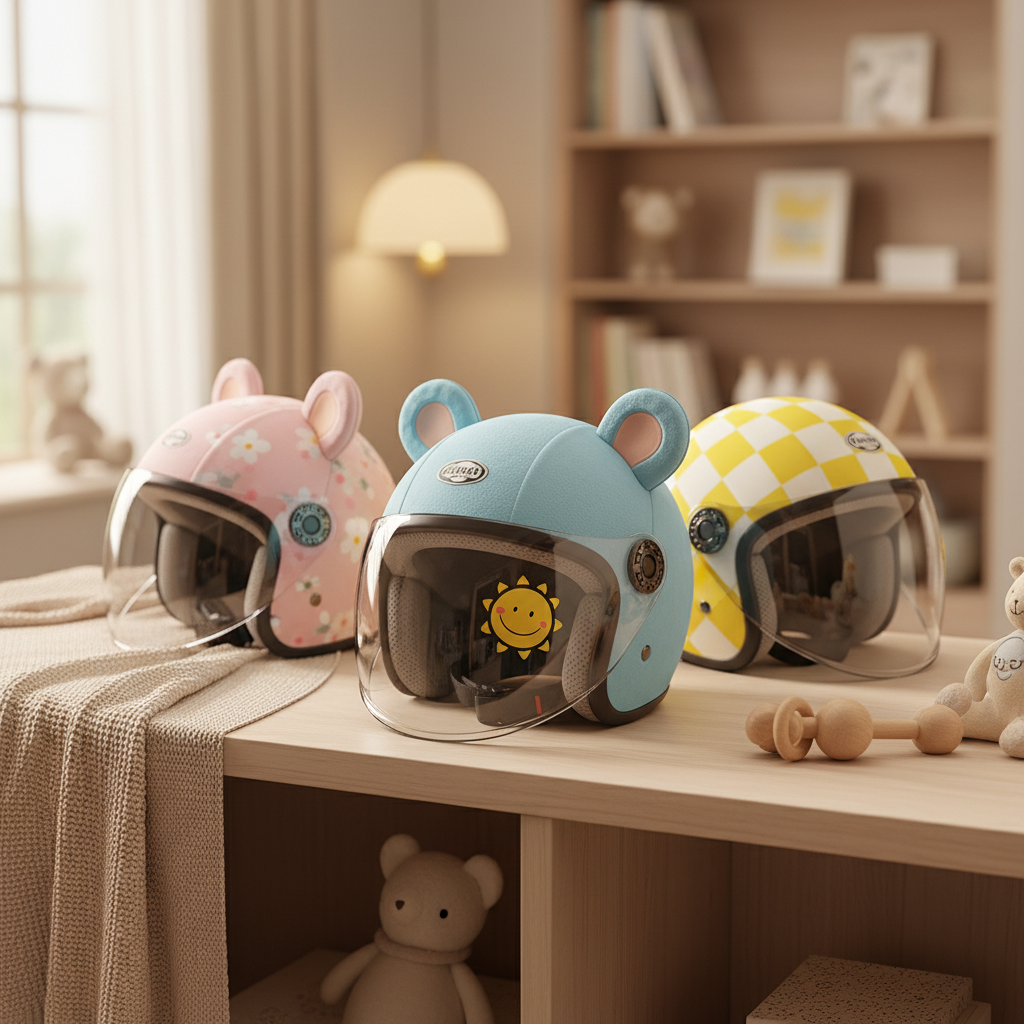
Comprehensive Guide to Motorcycle Scooter Helmets for Rider Safety

The Importance of Motorcycle Scooter Helmets

Comprehensive Guide to Motorcycle Scooter Helmets for Rider Safety

Motorcycle scooter helmets are arguably the single most important piece of safety equipment a rider can own. Head injuries are a leading cause of death and disability in motorcycle accidents, and a properly fitted and certified helmet can significantly reduce the severity of these injuries. The consequences of not wearing a helmet can be life-altering, not just for the rider, but for their families as well.

Beyond the immediate physical protection, motorcycle scooter helmets also contribute to a broader culture of safety. By normalizing helmet use, we encourage responsible riding habits and raise awareness about the risks associated with two-wheeled vehicles. This proactive approach to safety is vital for reducing accident rates and improving overall road safety for everyone.

Global Relevance and Statistics

According to the World Health Organization (WHO), road traffic crashes cause approximately 1.3 million deaths each year globally, with a significant portion involving motorcyclists. The UN Sustainable Development Goals (SDGs) specifically address road safety (SDG 3.6), aiming to halve global deaths and injuries from road traffic accidents by 2030. Motorcycle scooter helmets are central to achieving this goal.

Statistics vary by region, but in many developing countries where motorcycle and scooter use is prevalent, helmet usage rates are alarmingly low. This directly contributes to higher rates of head injuries and fatalities. Governments and NGOs are increasingly implementing helmet laws and awareness campaigns to address this issue and promote safer riding practices.

The economic burden of motorcycle-related head injuries is also substantial, encompassing healthcare costs, lost productivity, and long-term disability care. Investing in affordable, high-quality motorcycle scooter helmets and promoting their widespread adoption represents a cost-effective strategy for reducing this economic impact and improving public health.

Defining Motorcycle Scooter Helmets

Motorcycle scooter helmets are protective headgear specifically designed to absorb impact and prevent head injuries during motorcycle or scooter accidents. They consist of an outer shell, typically made of materials like polycarbonate, fiberglass, or carbon fiber, and an inner liner composed of impact-absorbing foam, such as expanded polystyrene (EPS).

The design and construction of motorcycle scooter helmets directly correlate to their protective capabilities. Different types of helmets—full-face, open-face (three-quarter), and half helmets—offer varying levels of coverage and protection. Certification standards, like DOT (Department of Transportation) in the US, ECE (Economic Commission for Europe) in Europe, and Snell, ensure that helmets meet specific safety criteria.

In the modern industrial landscape, the production of motorcycle scooter helmets is a specialized field requiring expertise in materials science, engineering, and manufacturing. The rise of e-commerce and direct-to-consumer brands has also impacted the market, increasing accessibility and competition, ultimately benefiting riders with a wider selection of options.

Key Features and Construction

Durability is paramount in motorcycle scooter helmets. The outer shell must withstand impacts, while the inner liner needs to effectively absorb and dissipate energy. Material selection directly impacts durability, with carbon fiber offering the highest strength-to-weight ratio, followed by fiberglass and polycarbonate.

Ventilation is another critical feature, providing airflow to keep the rider cool and comfortable. Proper ventilation reduces fatigue and improves concentration, enhancing safety. Helmets with adjustable vents allow riders to customize airflow based on weather conditions.

Motorcycle Scooter Helmet Feature Ratings


Applications Across Diverse Environments

Motorcycle scooter helmets are essential for urban commuters navigating congested city streets, providing crucial protection in the event of low-speed collisions. They are equally vital for long-distance riders embarking on highway journeys, where higher speeds increase the risk of severe accidents.

In rural areas, where access to emergency medical care may be limited, the importance of a quality motorcycle scooter helmet is amplified. Off-road riders and motocross enthusiasts also rely on specialized helmets designed to withstand the rigors of challenging terrain and high-impact crashes.

Advantages and Long-Term Benefits

The most significant advantage of motorcycle scooter helmets is, undeniably, reduced risk of severe head injuries and fatalities. Investing in a quality helmet isn’t just about complying with the law; it's about safeguarding your life and well-being. This peace of mind is an invaluable benefit.

From a financial perspective, avoiding a serious head injury translates to substantial savings in medical expenses, rehabilitation costs, and potential lost income. Moreover, advancements in helmet technology are leading to lighter, more comfortable designs that enhance the riding experience, making helmet use less of a burden and more of a natural habit.

Future Trends and Innovations

Research and development in motorcycle scooter helmet technology are focused on several key areas, including improved impact absorption through advanced materials like multi-density EPS foam and rotational impact protection systems (e.g., MIPS). Integrated communication systems, such as Bluetooth headsets, are becoming increasingly common, enhancing rider connectivity.

The integration of smart technology, such as heads-up displays (HUDs) projecting vital information onto the visor, is also on the horizon. Furthermore, sustainable materials and eco-friendly manufacturing processes are gaining traction, aligning with a growing demand for environmentally responsible products.

FAQS

What type of motorcycle scooter helmet offers the best protection?

A full-face motorcycle scooter helmet generally provides the highest level of protection as it covers the entire head and face, including the chin and jaw. This minimizes the risk of impact to critical areas. While other helmet styles offer some protection, they leave portions of the head vulnerable. Choosing a helmet with current safety certifications (DOT, ECE, Snell) is equally important.

How often should I replace my motorcycle scooter helmet?

It’s recommended to replace your helmet every 3-5 years, even if it hasn’t been involved in an accident. The materials in the helmet’s liner degrade over time, reducing its impact-absorbing capabilities. Additionally, replace the helmet immediately after any significant impact, even if there’s no visible damage. The internal structure may be compromised.

How important is the fit of a motorcycle scooter helmet?

Fit is crucial. A helmet that is too loose won't provide adequate protection, and one that is too tight can be uncomfortable and distracting. The helmet should fit snugly around your head without creating pressure points. Check for proper sizing by ensuring the helmet doesn't move excessively when you shake your head, and that your cheek pads make firm contact.

What do DOT, ECE, and Snell certifications mean?

DOT (Department of Transportation) is a US standard for helmet safety. ECE (Economic Commission for Europe) is a widely recognized European standard. Snell is a private, non-profit organization that sets even higher safety standards. All three certifications indicate that the helmet has undergone rigorous testing to meet specific performance criteria. Look for these labels when purchasing.

Can I use a motorcycle scooter helmet for other activities?

While a motorcycle scooter helmet could be used for other activities like cycling, it’s generally not recommended. Motorcycle scooter helmets are designed for high-speed impacts and may be overkill (and uncomfortable) for lower-speed activities. Specialized helmets designed for those activities provide optimal protection and comfort for their intended purpose.

How do I properly clean and maintain my motorcycle scooter helmet?

Cleaning your helmet regularly is important for hygiene and maintaining its protective qualities. Use mild soap and water to clean the exterior, and avoid harsh chemicals or abrasive cleaners. Remove the liner and cheek pads for separate washing. Store the helmet in a cool, dry place away from direct sunlight and extreme temperatures. This will prolong its lifespan.

Conclusion

Motorcycle scooter helmets stand as a cornerstone of rider safety, mitigating the risk of severe head injuries and ultimately saving lives. Their importance is underscored by global statistics and the increasing prevalence of two-wheeled vehicle usage. From advancements in materials and design to evolving safety standards, the field of motorcycle scooter helmets is constantly evolving to provide better protection and comfort.

Looking ahead, continued innovation in smart technology, sustainable materials, and rotational impact protection systems will further enhance helmet performance. Prioritizing helmet use and educating riders about proper fit and maintenance are critical steps toward creating a safer riding environment for everyone. For more information and to explore a range of helmet options, visit our website: motorcycle scooter helmets.

Jasper Thorne

Jasper Thorne

Jasper Thorne is the Sales Director for North America at Xingtai Denghui Children's Toys Co., Ltd. He joined the company in early 2023 and is responsible for expanding our distribution network and fostering strong relationships with key retail partners. Jasper has a proven track record of successfully launching new products
Previous Exploring the Versatility of Gas Motorcycle Scooters for Modern Transportation Needs
Next Exploring the Rise of the Electric Scooter Motorcycle for Modern Transportation