
Are Kids Allowed on Motorcycles A Comprehensive Guide to Safety and Legality
Are Kids Allowed on Motorcycles? A Comprehensive Guide
The question of whether kids are allowed on motorcycles is complex, varying greatly by location and motorcycle type. Safety is paramount, and regulations are in place to protect young passengers. This article explores the legal aspects, safety considerations, and best practices for transporting children on motorcycles. We'll cover laws, age restrictions, equipment requirements, and provide guidance to help you make informed decisions. Understanding these factors is crucial for a safe and legal ride. For a wide range of electric scooters and bikes that offer safer alternatives, explore DH Electric Car’s offerings.
Legal Regulations: A State-by-State Overview
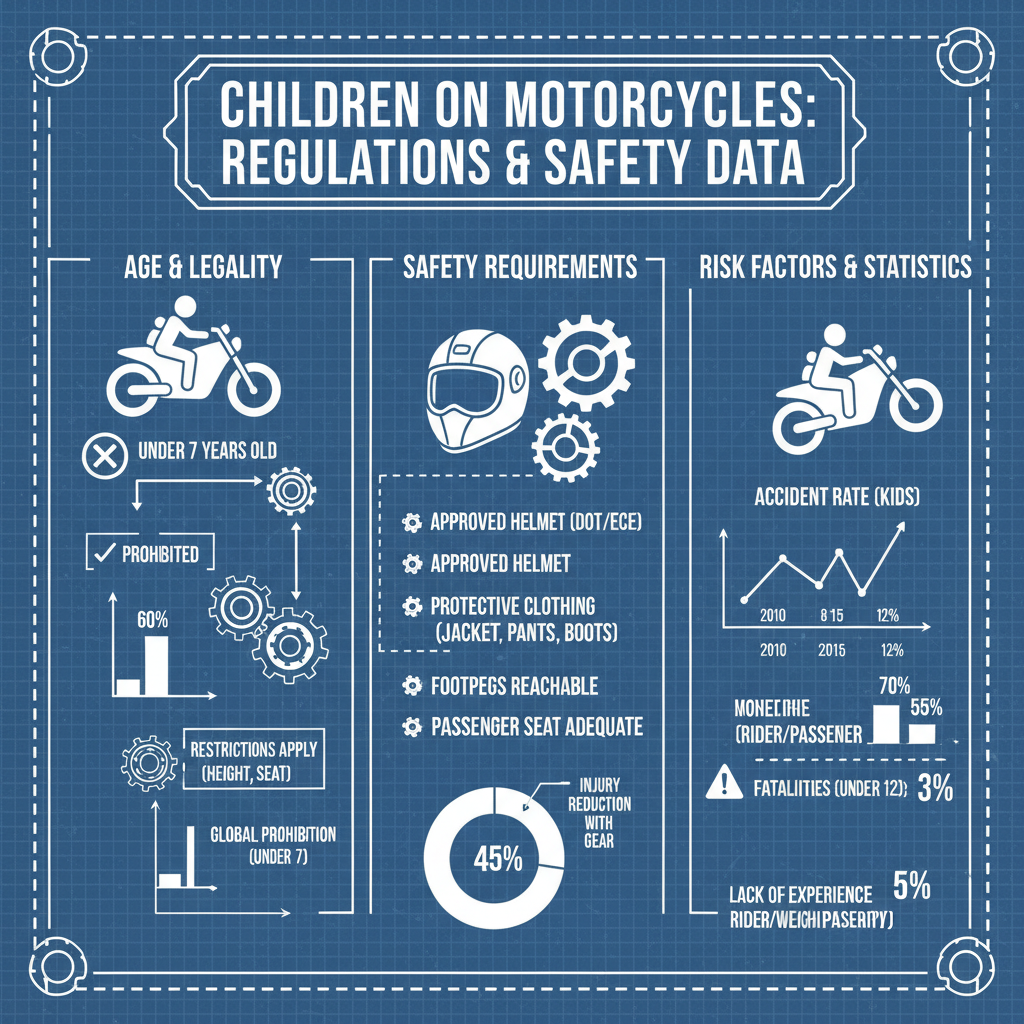
Motorcycle laws concerning child passengers are determined at the state level. Many states prohibit children under a specific age (often 8-12) from riding on motorcycles altogether. Other states permit it but impose strict requirements. These frequently include age and weight minimums, mandatory helmet laws for both the operator and passenger, and requirements for the child to be able to securely reach footrests. It’s vital to research and understand the specific laws in your state before even considering taking a child on a motorcycle. Ignorance of the law is no excuse, and penalties can include fines and even legal repercussions in the event of an accident.
Key Considerations: Always check your state's Department of Motor Vehicles (DMV) website for the most up-to-date regulations. Laws are subject to change, so regular verification is necessary.
Safety First: Essential Equipment and Preparation
Even where legal, taking a child on a motorcycle requires meticulous preparation focused on safety. A properly fitted, DOT-approved helmet is non-negotiable. Beyond the helmet, consider protective clothing including a motorcycle jacket, pants, gloves, and sturdy boots. The child should have secure footrests to prevent their feet from dangling and potentially getting caught in the wheels. Regularly inspect your motorcycle to ensure it’s in optimal working condition, including brakes, tires, and lights. Before any trip, practice short rides with the child to ensure they are comfortable and can maintain a secure position.
Safety Checklist:
• DOT-approved helmet (properly fitted)
• Protective clothing (jacket, pants, gloves, boots)
• Secure footrests
• Motorcycle inspection (brakes, tires, lights)
Age and Maturity: Is Your Child Ready?
Age is only one factor. A child’s maturity level and ability to follow instructions are equally important. They need to be able to understand and adhere to safety guidelines, remain seated and still during the ride, and communicate any discomfort or concerns. A child who is easily distracted or anxious is not a good candidate for a motorcycle ride. Consider their height and weight – they must be able to reach the footrests comfortably and maintain a secure grip on the motorcycle.
Motorcycle Type and Passenger Capacity
The type of motorcycle also matters. Sportbikes with aggressive riding positions are generally unsuitable for carrying passengers, especially children. Cruiser or touring motorcycles, designed for comfort and stability, are better choices. Consider the motorcycle's passenger capacity. Overloading a motorcycle compromises handling and safety. Ensure the motorcycle has a properly installed passenger seat and footrests designed for a child’s size. Remember, even on suitable motorcycles, the rider's skill and experience are crucial for maintaining control while carrying a passenger.
Alternatives to Motorcycles: Exploring Safer Options
If you’re seeking a fun and eco-friendly way to enjoy outdoor adventures with your kids, consider alternatives to motorcycles. Electric scooters and electric bikes offer a safer and more accessible experience. DH Electric Car offers a wide selection of electric bikes and scooters designed for various ages and skill levels. These provide a lower speed, more stable platform, and often come equipped with features like adjustable seats and integrated lights. They also eliminate many of the inherent risks associated with motorcycles.
Conclusion: Prioritizing Safety and Responsibility
Transporting children on motorcycles is a serious undertaking that demands careful consideration and adherence to legal and safety guidelines. While legal in some circumstances, it inherently carries risks. Prioritizing your child’s safety should always be the primary concern. Exploring safer alternatives, such as electric scooters or bikes from DH Electric Car, can provide a fun and responsible way to enjoy outdoor adventures with your family.
Frequently Asked Questions (FAQs)
What is the general age restriction for motorcycle passengers?
The age restriction varies significantly by state. Many states prohibit children under the age of 8, 10, or 12 from riding on motorcycles. Some states may also have minimum weight requirements. It is crucial to consult your state's DMV website for accurate information. Generally, younger children lack the physical strength and cognitive ability to safely ride on a motorcycle, even with all the proper safety equipment. The focus should always be on protecting young children from unnecessary risks.
Are there specific helmet requirements for child passengers?
Yes, absolutely. All passengers, including children, are typically required to wear a DOT-approved helmet. The helmet must fit properly – not too loose or too tight – and be securely fastened. Some states have specific helmet standards for children, so it’s important to verify those as well. A correctly fitted helmet is the single most important piece of safety equipment. It's crucial to replace the helmet after any impact, even if no visible damage is apparent.
What are the risks of taking a young child on a motorcycle?
Young children have limited physical strength, coordination, and attention spans. They may struggle to hold on securely during sudden stops or turns, and they may be easily distracted. A motorcycle ride exposes them to significant risks, including head injuries, fractures, and other serious trauma in the event of an accident. The rider's ability to react and control the motorcycle is also compromised when carrying a passenger, especially a child.
Should I consider alternative transportation options for my child?
Absolutely. For many families, alternative transportation options are a much safer and more practical choice. Electric scooters and electric bikes, like those offered at DH Electric Car, provide a fun, eco-friendly, and significantly safer way to enjoy outdoor activities with your child. These options offer stability, lower speeds, and features specifically designed for younger riders.
-
Choosing the Best Kids Helmet Motorcycle for Ultimate SafetyNewsApr.16,2026
-
The Ultimate Guide to Choosing a Kids Harley MotorcycleNewsApr.09,2026
-
Kids Full Face Motorcycle Helmet A Comprehensive Safety GuideNewsApr.07,2026
-
Kids Electric Motorcycle Guide For Fun Safe Outdoor RidingNewsApr.04,2026
-
Choosing the Right Kids Dot Motorcycle Helmet for Optimal SafetyNewsMar.31,2026
-
Comprehensive Guide to Choosing the Best Kids 12V Motorcycle for Safe FunNewsMar.28,2026