
Choosing the Right DOT Certified Kids Motorcycle Helmet for Safety and Comfort
Choosing the Right DOT Certified Kids Motorcycle Helmet: A Comprehensive Guide
Ensuring your child's safety while they enjoy the thrill of riding a motorcycle or powersport vehicle requires careful consideration, and a crucial component of this is selecting the right helmet. A DOT certified kids motorcycle helmet is not just an accessory; it's a life-saving piece of equipment. This article provides a detailed guide to understanding DOT certification, key features to look for, and how to choose the best helmet for your young rider. Prioritizing safety doesn't mean compromising on comfort or style, and we’ll show you how to find the perfect balance.
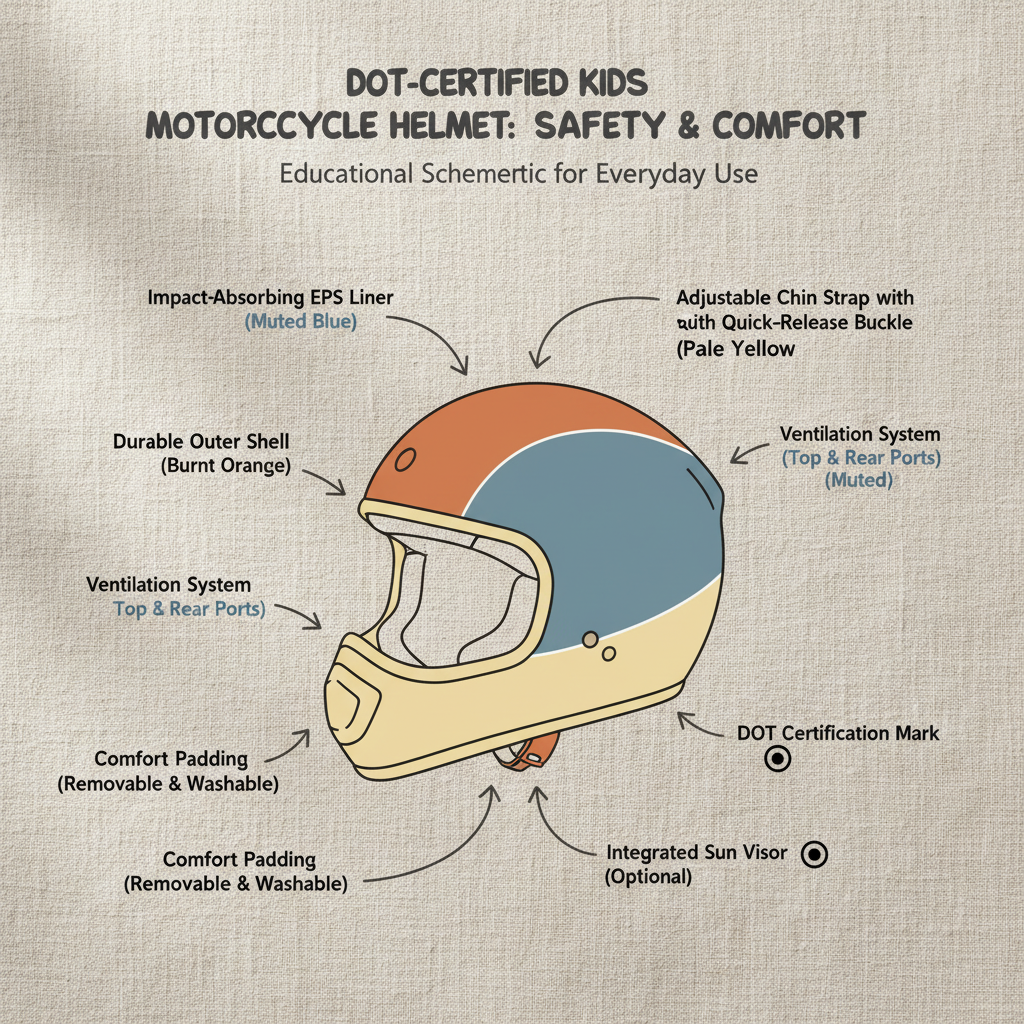
Understanding DOT Certification
DOT stands for the Department of Transportation, and DOT certification signifies that a helmet meets federal safety standards. This means the helmet has undergone rigorous testing for impact resistance, penetration, and retention system strength. A DOT certified kids motorcycle helmet has a sticker inside indicating it has passed these tests. It’s essential to always verify the presence of this sticker before purchasing a helmet. Without DOT certification, a helmet's protective capabilities are questionable and may not offer adequate protection in the event of an accident. Don’t risk it - always choose a DOT-approved helmet.
Key Takeaway: Always look for the DOT sticker inside the helmet to ensure it meets federal safety standards. This is non-negotiable when choosing a helmet for your child.
Key Features to Look for in a DOT Certified Kids Motorcycle Helmet
Beyond DOT certification, several features contribute to a helmet's safety, comfort, and overall effectiveness. Consider the shell material, liner, fit, and ventilation. Polycarbonate shells are common for kids' helmets, offering good impact resistance. EPS (Expanded Polystyrene) liners absorb impact energy. Proper fit is paramount—the helmet should be snug but not too tight, and the chin strap should be securely fastened. Ventilation is also crucial to keep your child cool and comfortable during rides. A well-ventilated helmet prevents overheating and ensures clear vision. Dhelectrickidcar.com offers helmets with all of these essential features.
Essential Helmet Features:
• DOT Certification
• Polycarbonate Shell
• EPS Liner
• Secure Retention System
• Adequate Ventilation
Sizing and Fit: Finding the Perfect Match
Accurate sizing is arguably the most critical aspect of helmet selection. A helmet that’s too large won’t provide adequate protection, while one that's too small will be uncomfortable and may restrict vision. Measure your child's head circumference using a soft measuring tape, positioning it about one inch above their eyebrows. Refer to the helmet manufacturer's sizing chart to determine the appropriate size. Always try on the helmet and ensure it fits snugly—it shouldn’t move easily on their head. The chin strap should be adjusted so that you can fit no more than two fingers between the strap and their chin.
Types of DOT Certified Kids Motorcycle Helmets
Kids’ motorcycle helmets come in various styles, each offering different levels of coverage and features. Full-face helmets provide the most comprehensive protection, covering the entire head and face. Open-face (three-quarter) helmets offer less coverage but are popular for their increased ventilation. Modular helmets combine features of both, with a flip-up chin bar. Consider the type of riding your child will be doing when choosing a style. For off-road riding, a helmet with a visor and extended chin bar is recommended. Dhelectrickidcar.com provides a wide selection of all styles.
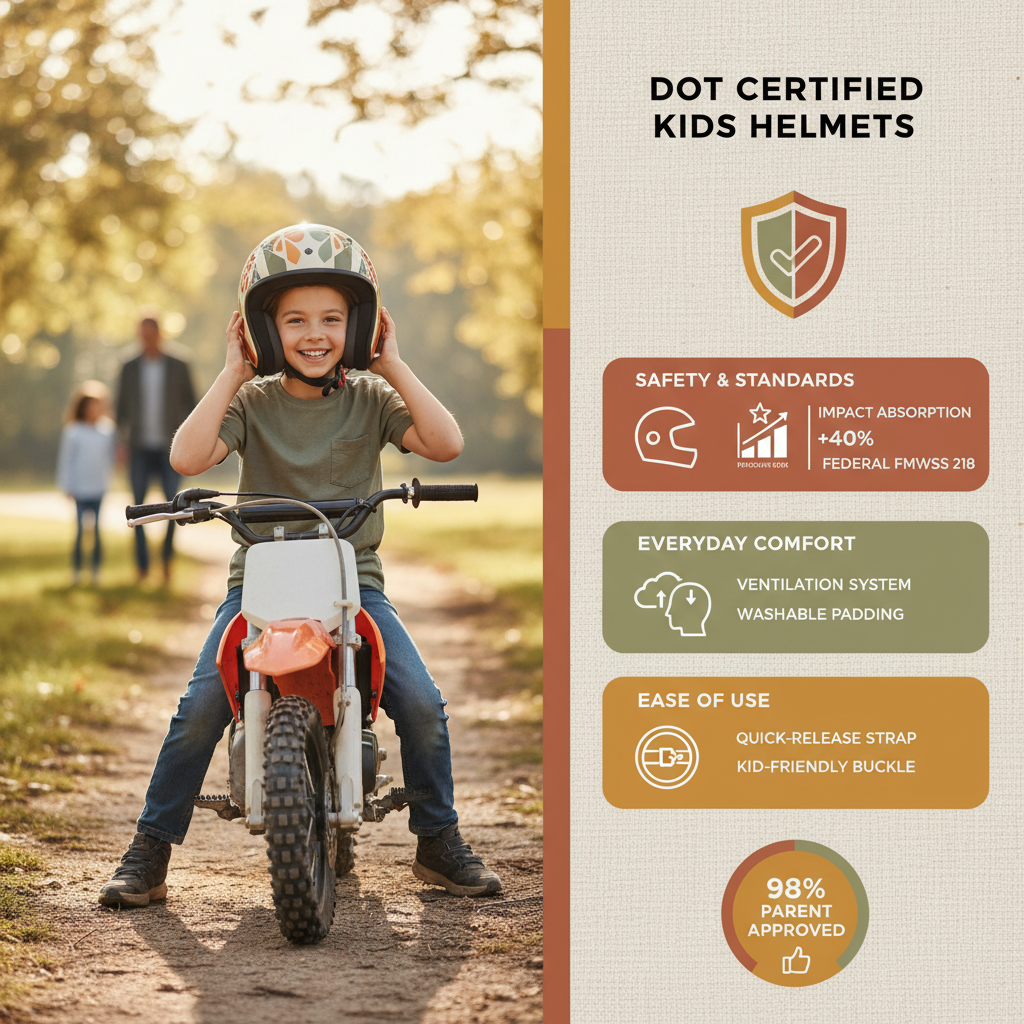
Helmet Maintenance and Replacement
Proper helmet maintenance is essential to ensure its continued effectiveness. Regularly clean the helmet with mild soap and water. Avoid using harsh chemicals or abrasive cleaners. Inspect the helmet for any signs of damage, such as cracks or dents. Even if there's no visible damage, it’s generally recommended to replace a helmet every 3-5 years, or after any significant impact. UV exposure and everyday wear and tear can degrade the helmet's materials over time. A damaged or expired helmet may not provide adequate protection.
Conclusion: Prioritizing Safety with a DOT Certified Helmet
Choosing the right DOT certified kids motorcycle helmet is a critical investment in your child’s safety. By understanding DOT certification, key features, proper fit, and maintenance requirements, you can make an informed decision and ensure your young rider is protected. Don't compromise on safety—choose a helmet that meets or exceeds safety standards and provides the comfort and protection your child deserves.
Frequently Asked Questions (FAQs)
What does DOT certification actually mean?
DOT certification means the helmet has been tested by the Department of Transportation and meets Federal Motor Vehicle Safety Standard (FMVSS) No. 218. This standard assesses the helmet’s ability to withstand impact, penetration, and chin strap retention. The tests simulate real-world accident scenarios, ensuring the helmet provides a baseline level of protection. It’s a legal requirement for helmets sold in the United States.
How often should I replace my child's helmet?
Generally, a helmet should be replaced every 3-5 years, even if it hasn't been involved in an accident. The materials degrade over time due to UV exposure and normal wear and tear. However, if the helmet has been involved in a crash, even a minor one, it should be replaced immediately, as the protective integrity may be compromised.
Can I use adult helmet cleaning products on a kid’s helmet?
No, it’s best to use mild soap and water when cleaning a kid’s helmet. Adult helmet cleaning products may contain harsh chemicals that can damage the helmet's shell or liner, reducing its protective capabilities. Avoid using abrasive cleaners or solvents.
What should I do if the helmet doesn't fit properly?
If the helmet doesn't fit properly, do not use it. A poorly fitting helmet won't provide adequate protection in the event of an accident. Try a different size or shape of helmet until you find one that fits snugly and comfortably. It's better to spend a little more time finding the right fit than to risk your child’s safety.
-
Choosing the Best Kids Helmet Motorcycle for Ultimate SafetyNewsApr.16,2026
-
The Ultimate Guide to Choosing a Kids Harley MotorcycleNewsApr.09,2026
-
Kids Full Face Motorcycle Helmet A Comprehensive Safety GuideNewsApr.07,2026
-
Kids Electric Motorcycle Guide For Fun Safe Outdoor RidingNewsApr.04,2026
-
Choosing the Right Kids Dot Motorcycle Helmet for Optimal SafetyNewsMar.31,2026
-
Comprehensive Guide to Choosing the Best Kids 12V Motorcycle for Safe FunNewsMar.28,2026