
Choosing the Right Kids Dot Motorcycle Helmet for Optimal Safety
Choosing the Right Kids Dot Motorcycle Helmet: A Comprehensive Guide
Finding the perfect motorcycle helmet for your child is paramount to their safety. A properly fitted and certified kids dot motorcycle helmet can significantly reduce the risk of head injuries. This article provides a detailed overview of what to look for, factors to consider, and popular options available. We’ll cover everything from safety standards to fit, ensuring you make an informed decision to protect your little rider.
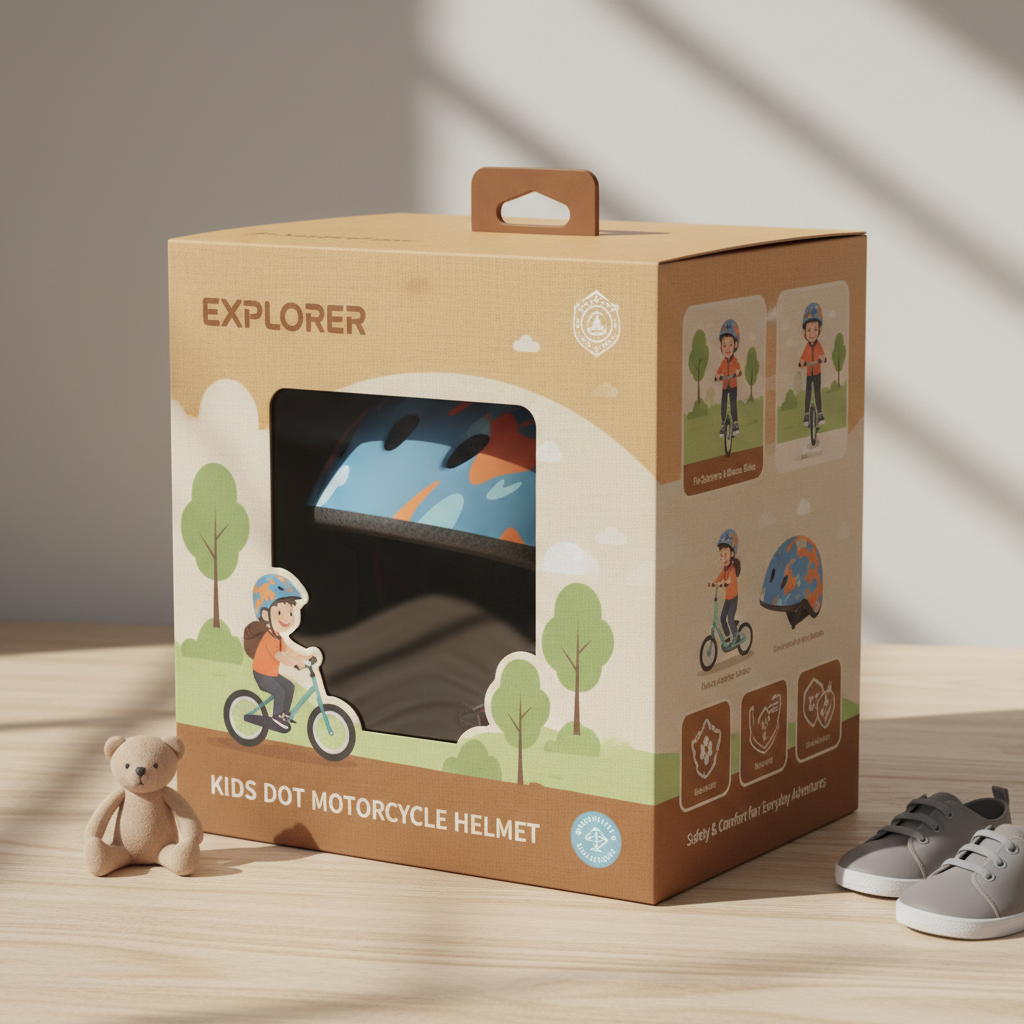
Understanding DOT Certification for Kids' Helmets
The Department of Transportation (DOT) certification is the minimum safety standard for motorcycle helmets in the United States. When purchasing a kids dot motorcycle helmet, always verify that it meets or exceeds this standard. DOT-certified helmets have undergone rigorous testing to ensure they provide adequate impact protection. Look for the DOT sticker located on the inside of the helmet. Beyond DOT, some helmets also carry certifications like ECE 22.06 (European standard), which offers even higher levels of protection. However, for US riders, DOT certification is the primary requirement.
Key Takeaway: Always prioritize a helmet with DOT certification to ensure your child’s safety. Consider ECE 22.06 certification for enhanced protection.
Proper Fit is Crucial: Sizing Your Child’s Helmet
Even the safest kids dot motorcycle helmet won’t provide adequate protection if it doesn’t fit correctly. Measure your child's head circumference using a flexible measuring tape. The tape should be positioned about one inch above their eyebrows. Compare the measurement to the helmet manufacturer’s sizing chart. It’s important to remember that sizing can vary between brands. Once you have the helmet, ensure it fits snugly, without being too tight. There should be no excessive movement or play when your child shakes their head.
Fit Checklist:
• Snug fit without pressure points.
• Minimal movement when shaking the head.
• Eyebrows should be covered by the helmet's brow shield.
• Check the manufacturer’s sizing chart.
Kids Dot Motorcycle Helmet Features to Consider
Beyond safety certification and fit, several features can enhance a kids dot motorcycle helmet. Consider features like ventilation to keep your child cool and comfortable, a removable and washable liner for hygiene, and a clear visor to protect their eyes from wind and debris. Some helmets also come with integrated sun visors or are designed for compatibility with Bluetooth communication systems (for older children). Lighter-weight helmets are generally more comfortable for longer rides.
Types of Kids Motorcycle Helmets
There are several types of helmets available, each offering different levels of coverage and protection. Full-face helmets provide the most comprehensive protection, covering the entire head and face. Open-face helmets, also known as ¾ helmets, offer less coverage but provide better ventilation. Dual-sport helmets are a hybrid, offering features of both full-face and open-face helmets. For younger children, full-face helmets are generally recommended due to the increased protection they provide.
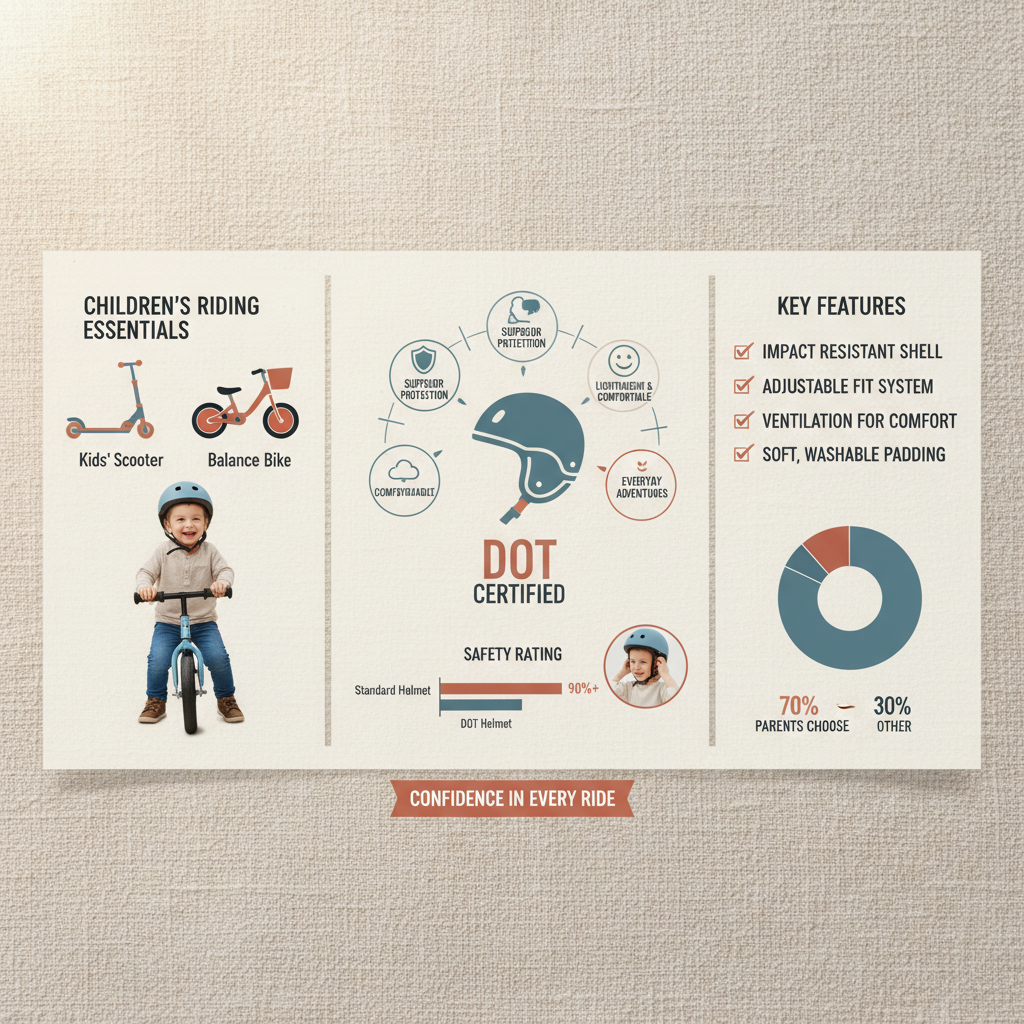
Budget and Brands: Finding the Best Value
Kids grow quickly, so it's tempting to opt for a cheaper helmet. However, safety shouldn't be compromised. While higher-priced helmets often offer more features and advanced materials, you can find quality kids dot motorcycle helmet options at reasonable prices. Popular brands known for their quality and safety include LS2, Fly Racing, and Vega. Explore reviews and compare features before making a purchase.
Conclusion: Prioritizing Your Child’s Safety
Choosing the right kids dot motorcycle helmet is a critical decision. By understanding safety standards, ensuring a proper fit, and considering essential features, you can provide your child with the protection they need to enjoy their riding experience safely. Remember to regularly inspect the helmet for damage and replace it as needed.
Frequently Asked Questions (FAQs)
How often should I replace my child's helmet?
A motorcycle helmet should be replaced every 3-5 years, even if it hasn’t been involved in an accident. The materials degrade over time due to UV exposure and normal wear and tear. Additionally, replace the helmet immediately if it has been involved in an impact, even if there's no visible damage, as the protective lining may be compromised. Also, replace it when your child outgrows it – a helmet that's too big won't provide adequate protection.
Can I use a helmet that my older child has outgrown?
It's generally not recommended to use a helmet that has been outgrown by an older child. Helmets are designed to be a one-time use protective device. The internal liner compresses over time, and the helmet may have unseen damage that could compromise its protective capabilities. It’s best to purchase a new helmet that fits your younger child properly.
What’s the difference between DOT and ECE certification?
Both DOT and ECE are safety standards for motorcycle helmets, but they differ in their testing procedures and requirements. ECE 22.06 is generally considered more rigorous than DOT, involving more impact tests and covering a wider range of potential scenarios. DOT is the minimum legal requirement in the US, while ECE is popular in Europe and becoming increasingly recognized globally.
How can I ensure a secure fit?
First, measure your child’s head circumference accurately. Then, refer to the helmet manufacturer’s sizing chart. When trying on the helmet, it should fit snugly without being too tight. The helmet should not move easily on the head when shaken. Ensure the chin strap is properly adjusted and securely fastened. A good fit is crucial for optimal protection.
-
Choosing the Best Kids Helmet Motorcycle for Ultimate SafetyNewsApr.16,2026
-
The Ultimate Guide to Choosing a Kids Harley MotorcycleNewsApr.09,2026
-
Kids Full Face Motorcycle Helmet A Comprehensive Safety GuideNewsApr.07,2026
-
Kids Electric Motorcycle Guide For Fun Safe Outdoor RidingNewsApr.04,2026
-
Choosing the Right Kids Dot Motorcycle Helmet for Optimal SafetyNewsMar.31,2026
-
Comprehensive Guide to Choosing the Best Kids 12V Motorcycle for Safe FunNewsMar.28,2026