
Essential Guide to Choosing the Right Kid Size Motorcycle Helmets for Safety
Choosing the Right Fit: A Guide to Kid Size Motorcycle Helmets
Finding the perfect motorcycle helmet for your child is paramount to their safety and enjoyment. A properly fitted kid size motorcycle helmet isn't just about meeting legal requirements; it’s about protecting their developing heads in the event of an accident. This article will explore everything you need to know about sizing, safety standards, features, and choosing the best helmet for your little rider. We'll cover key considerations to ensure a secure and comfortable fit, giving you peace of mind on every ride.
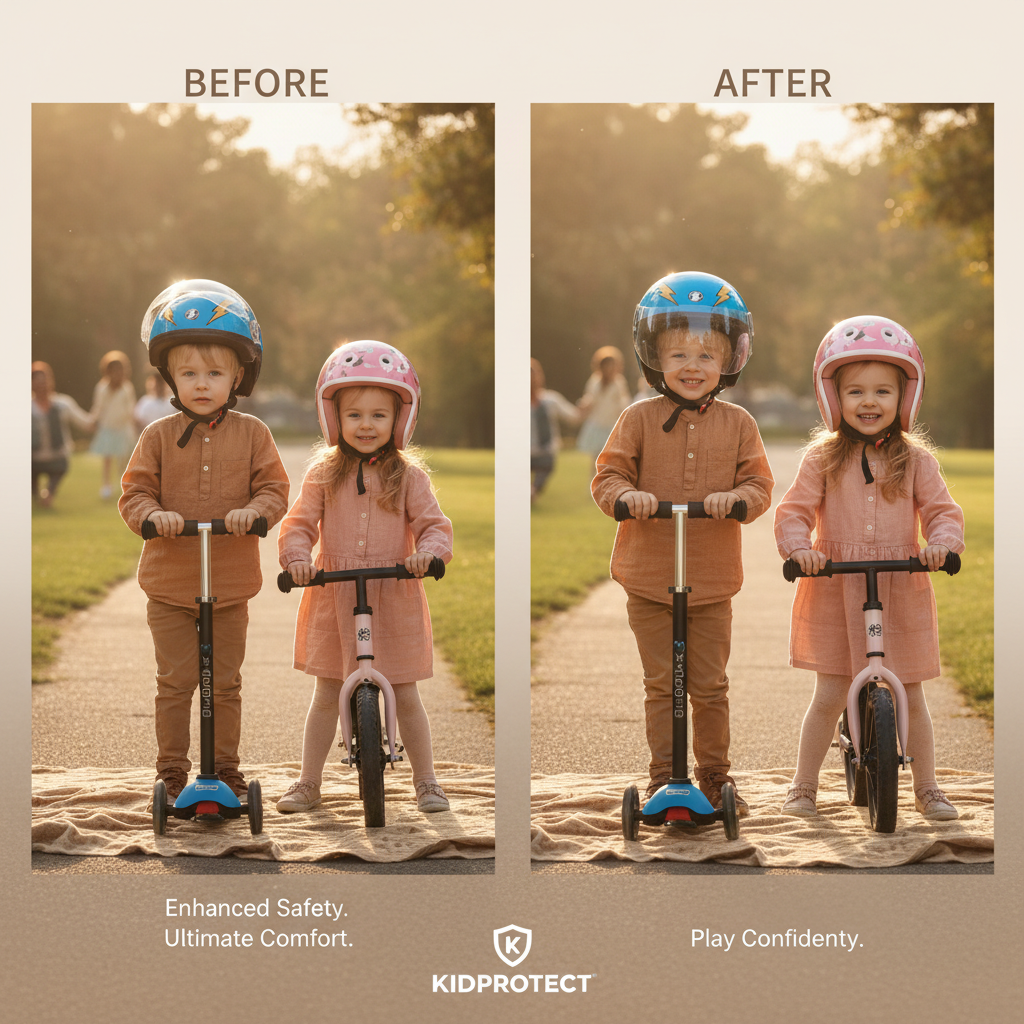
Understanding Helmet Sizing for Children
Unlike adult helmets, children's heads grow rapidly, meaning a helmet that fits today might not fit tomorrow. Accurate measurement is crucial. Use a soft measuring tape to measure the circumference of your child’s head, approximately one inch above their eyebrows. Don't rely on age as a guide – head sizes vary greatly! Many helmet manufacturers provide sizing charts, but it’s always best to try on a helmet if possible. A snug fit is essential – the helmet shouldn’t move around on their head, but also shouldn’t be so tight that it causes discomfort. Look for helmets with adjustable features like cheek pads and retention systems to fine-tune the fit.
Key Takeaway: Regularly check the fit of your child's helmet and replace it when they outgrow it. Don't buy a helmet hoping they'll "grow into it".
Safety Standards and Certifications
When purchasing a kid size motorcycle helmet, prioritize safety certifications. Look for helmets that meet or exceed the DOT (Department of Transportation) standard in the US, and ECE 22.06 (Economic Commission for Europe) standards internationally. These certifications indicate that the helmet has undergone rigorous testing to ensure it provides adequate impact protection. Avoid helmets without these certifications, as they may not offer sufficient safety. Remember, a lower price isn't worth risking your child's safety.
Key Features to Look for in Kid's Motorcycle Helmets
Beyond safety standards, consider these features: A lightweight shell minimizes strain on your child's neck. Good ventilation keeps them cool and comfortable. A removable and washable liner is essential for hygiene. A clear, scratch-resistant visor provides clear visibility. And a secure retention system (D-ring or quick-release buckle) ensures the helmet stays firmly in place. Some helmets also include features like integrated sun visors and noise reduction padding.
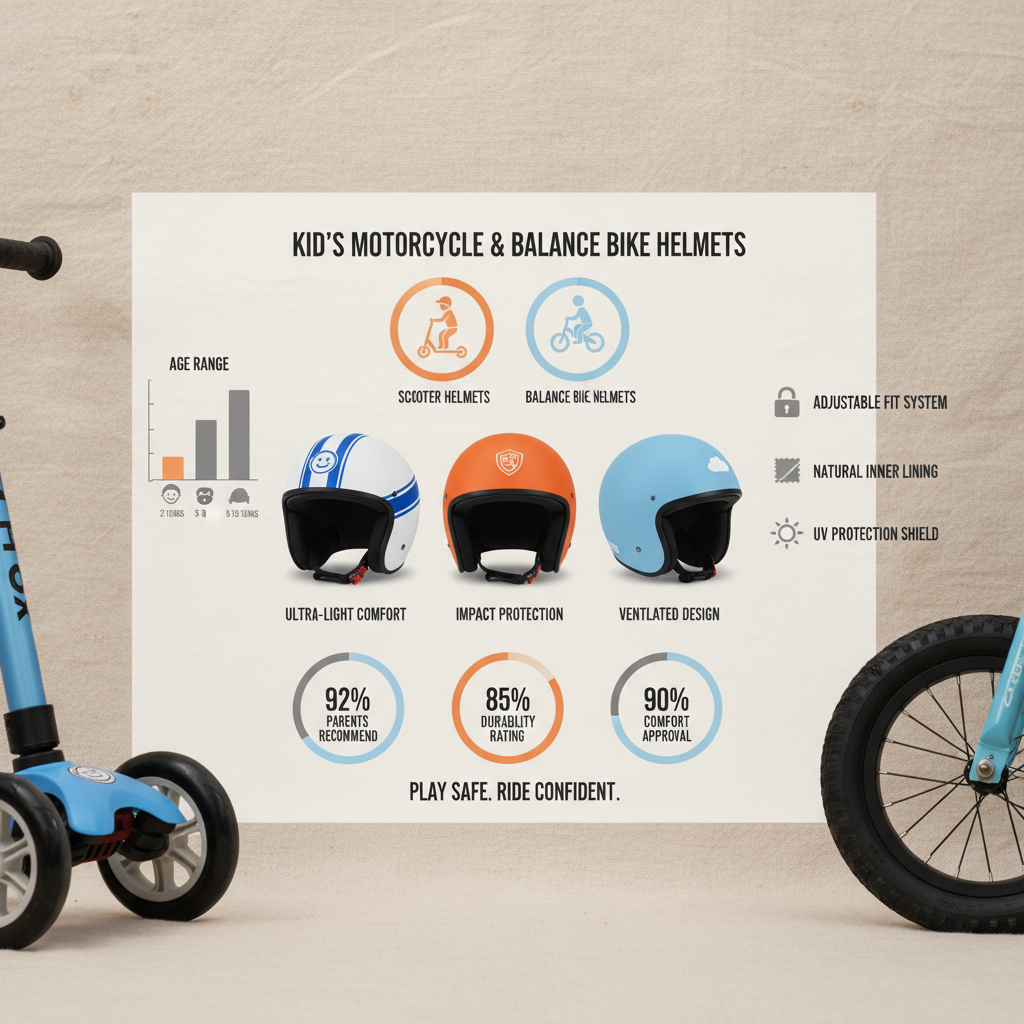
Kid Size Motorcycle Helmet Comparison Chart
Here’s a quick comparison to help you understand the different types available:
Where to Buy and Price Range
You can find kid size motorcycle helmets at motorcycle dealerships, online retailers, and sporting goods stores. Prices vary depending on the brand, features, and certifications. Generally, you can expect to pay between $80 and $250 for a quality helmet. At DH Electric ID Car, we offer a curated selection of certified and stylish helmets for young riders.
Conclusion: Prioritizing Safety for Young Riders
Choosing the right kid size motorcycle helmet is a critical decision. By understanding sizing, safety standards, and key features, you can ensure your child is protected on every ride. Remember to prioritize certifications, check the fit regularly, and replace the helmet when needed. At DH Electric ID Car, we are committed to providing high-quality safety gear for riders of all ages.
Frequently Asked Questions (FAQs)
How often should I replace my child's motorcycle helmet?
Even without an impact, a motorcycle helmet's protective materials degrade over time due to UV exposure, oils, and sweat. It’s generally recommended to replace a helmet every 3-5 years, even if it looks perfectly fine. More importantly, always replace the helmet if it has been involved in a crash, even if there's no visible damage. The internal protective liner may be compromised, and its ability to absorb impact will be significantly reduced. Also, replace the helmet if it no longer fits properly due to your child's growth.
Can my child wear an adult helmet if it fits?
While it might seem like a solution if an adult helmet fits, it's generally not recommended. Adult helmets are designed for a different head shape and impact distribution than children's helmets. A child’s head is proportionally larger and lighter than an adult’s, and an adult helmet might not provide the same level of protection in an accident. Always choose a helmet specifically designed for children to ensure a proper fit and optimal safety.
What is the best way to clean a motorcycle helmet?
Most helmets have removable and washable liners. Remove the liner and wash it gently with mild soap and lukewarm water. Avoid harsh chemicals or abrasive cleaners. For the helmet shell, wipe it down with a damp cloth and mild soap. Never submerge the entire helmet in water. Allow both the liner and shell to air dry completely before reassembling. Regular cleaning helps maintain hygiene and prolongs the life of the helmet.
-
Choosing the Best Kids Helmet Motorcycle for Ultimate SafetyNewsApr.16,2026
-
The Ultimate Guide to Choosing a Kids Harley MotorcycleNewsApr.09,2026
-
Kids Full Face Motorcycle Helmet A Comprehensive Safety GuideNewsApr.07,2026
-
Kids Electric Motorcycle Guide For Fun Safe Outdoor RidingNewsApr.04,2026
-
Choosing the Right Kids Dot Motorcycle Helmet for Optimal SafetyNewsMar.31,2026
-
Comprehensive Guide to Choosing the Best Kids 12V Motorcycle for Safe FunNewsMar.28,2026