
Kid on Motorcycle Safety Gear Legal Considerations and Training
Kid on Motorcycle: Safety, Gear, and Legal Considerations
The image of a kid on a motorcycle evokes excitement, but also raises serious concerns about safety. Whether it’s a supervised experience on a smaller bike or a young rider with a learner's permit, understanding the proper gear, legal requirements, and safety precautions is crucial. This article provides a comprehensive overview for parents, guardians, and young riders navigating the world of motorcycling. It's about balancing the thrill with responsibility and ensuring a safe riding experience.
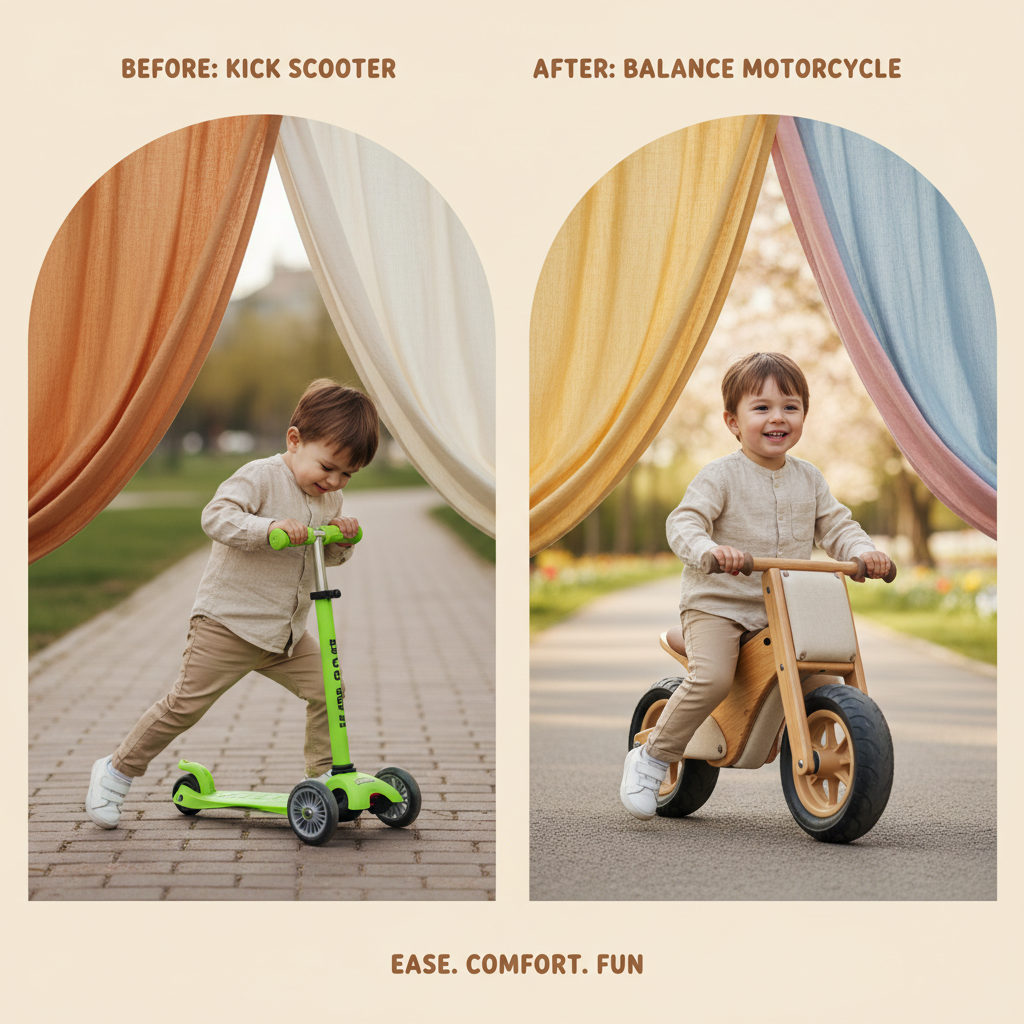
Essential Gear for Young Riders
Proper gear is non-negotiable. Beyond just looking cool, it provides crucial protection in the event of an accident. A full-face helmet is the most important piece of equipment, offering maximum head and face protection. Jackets and pants made from abrasion-resistant materials like leather or reinforced textiles are essential, as are gloves that cover the entire hand. Finally, sturdy boots that provide ankle support are a must. Investing in quality gear is an investment in safety. The right gear can dramatically reduce the severity of injuries in a crash.
Key Highlights: A full-face helmet, abrasion-resistant jacket and pants, protective gloves, and sturdy boots are critical for young riders. Prioritizing quality over price is essential for ensuring adequate protection.
Legal Requirements: Varies by Location
Motorcycle laws governing young riders vary significantly by state or country. Many jurisdictions require a learner’s permit before a full license can be obtained, with restrictions on riding times, passenger allowances, and highway access. Some areas also mandate motorcycle safety courses. It’s critical to thoroughly research and understand the specific laws in your area. Ignorance of the law is no excuse and can result in fines or even license suspension. Resources like your local Department of Motor Vehicles (DMV) or equivalent agency are excellent starting points for finding this information.
Understanding Local Laws:
• Research learner’s permit requirements.
• Check for restrictions on riding times and locations.
• Inquire about mandatory safety courses.
• Be aware of passenger restrictions.
Choosing the Right Motorcycle: Size and Power
Selecting the appropriate motorcycle is crucial for a young rider. A smaller, lighter bike is much more manageable than a powerful machine. Consider engine displacement and seat height – the rider should be able to comfortably reach the ground with both feet. Avoid high-performance sportbikes, as their power and handling characteristics are challenging even for experienced riders. A dual-sport or beginner-friendly standard motorcycle is often a better choice. Remember, starting small and building skills gradually is the safest approach. You can explore different models and specs on websites like DH Electric ID Car, to understand available options.
The Importance of Motorcycle Safety Courses
Enrolling in a Motorcycle Safety Foundation (MSF) Basic RiderCourse or equivalent is highly recommended, even required in some areas. These courses provide hands-on training in fundamental riding skills, hazard awareness, and emergency maneuvers. A structured learning environment, guided by certified instructors, is far more effective than learning by trial and error. Completion of an MSF course can often waive certain requirements for obtaining a motorcycle license and may even qualify for insurance discounts.
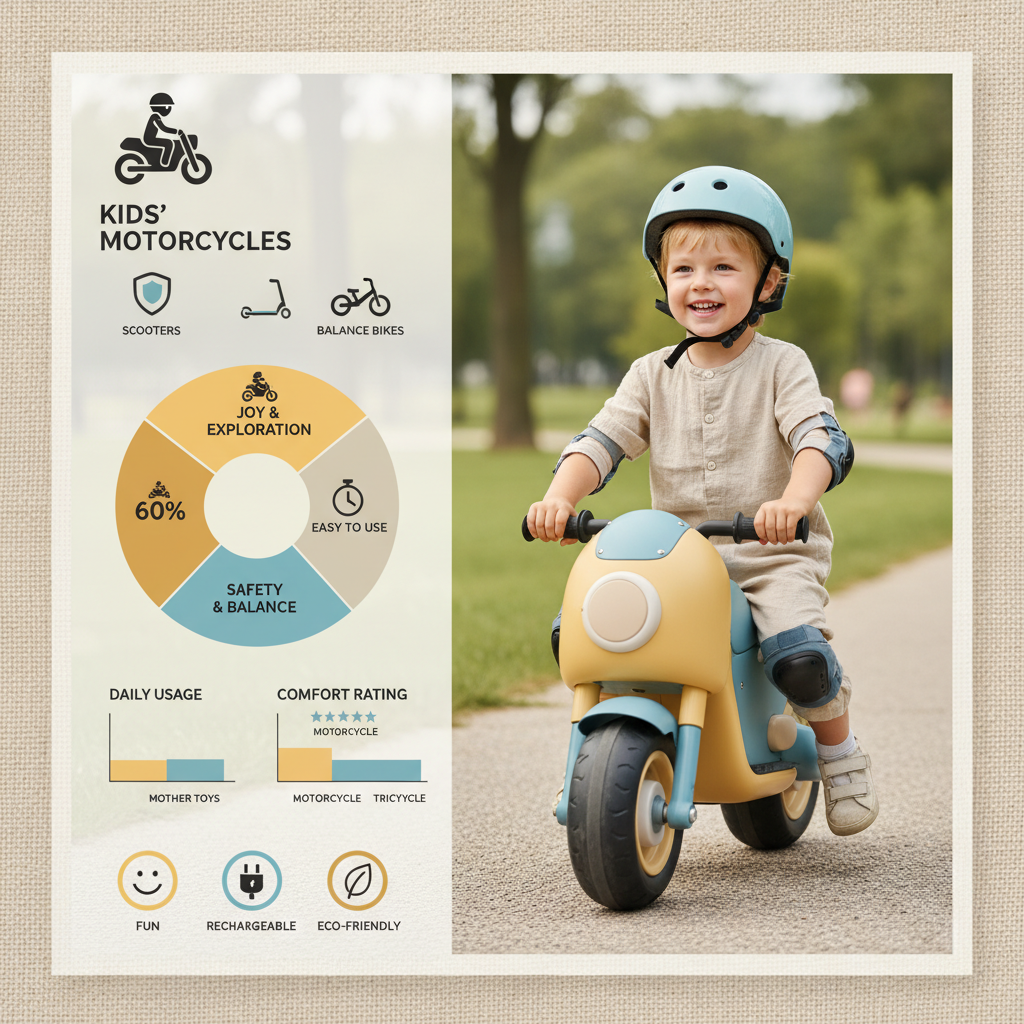
Supervision and Gradual Progression
For young riders, especially beginners, constant supervision is vital. Start with practice in a controlled environment, such as an empty parking lot, before venturing onto public roads. Gradually introduce more challenging riding situations as skills improve. Emphasize defensive riding techniques, such as scanning the environment, maintaining a safe following distance, and anticipating potential hazards. A responsible adult should always accompany the young rider, providing guidance and support. Remember, patience and encouragement are key.
Conclusion: Prioritizing Safety for Young Riders
Ensuring the safety of a kid on a motorcycle requires a comprehensive approach encompassing proper gear, legal compliance, skills training, and responsible supervision. By prioritizing these aspects, we can help young riders enjoy the thrill of motorcycling while minimizing the risks. Remember, safety is paramount, and a well-prepared and cautious rider is a safe rider.
Frequently Asked Questions (FAQs)
What’s the minimum age to ride a motorcycle legally?
The minimum age to ride a motorcycle varies significantly by state and country. Some jurisdictions allow 16-year-olds to obtain a motorcycle learner’s permit, while others require riders to be 18 or older. It’s crucial to check the specific laws in your area. Even if a young rider meets the minimum age requirement, they may still need to complete a motorcycle safety course and pass a written and practical exam before being granted a full license. Always prioritize legal compliance and responsible riding.
How often should motorcycle gear be replaced?
Motorcycle gear should be replaced periodically, even if it doesn't show obvious signs of wear and tear. Helmets should be replaced every 3-5 years, or immediately after any impact. Jackets, pants, gloves, and boots should be replaced if they’ve been involved in a crash or if the materials have become worn or damaged. Regularly inspect your gear for tears, abrasions, or weakened stitching. Proper maintenance and timely replacement are vital for ensuring continued protection.
What are some common mistakes young riders make?
Common mistakes include riding beyond their skill level, failing to scan the environment properly, neglecting to use turn signals, and following too closely. Young riders often lack experience in anticipating hazards and reacting appropriately. It’s crucial to emphasize defensive riding techniques and encourage gradual progression. Supervision and guidance from experienced riders are essential for helping young riders avoid these common pitfalls and develop safe riding habits.
Are electric motorcycles a good option for beginner riders?
Electric motorcycles can be a good option for beginner riders due to their smooth power delivery and manageable acceleration. They also offer the benefit of being quieter and easier to maintain than traditional gasoline-powered motorcycles. However, it's still important to choose a model with appropriate power and weight for a new rider. Consider exploring options from companies like DH Electric ID Car to learn more about electric motorcycle options.
-
Choosing the Best Kids Helmet Motorcycle for Ultimate SafetyNewsApr.16,2026
-
The Ultimate Guide to Choosing a Kids Harley MotorcycleNewsApr.09,2026
-
Kids Full Face Motorcycle Helmet A Comprehensive Safety GuideNewsApr.07,2026
-
Kids Electric Motorcycle Guide For Fun Safe Outdoor RidingNewsApr.04,2026
-
Choosing the Right Kids Dot Motorcycle Helmet for Optimal SafetyNewsMar.31,2026
-
Comprehensive Guide to Choosing the Best Kids 12V Motorcycle for Safe FunNewsMar.28,2026