The 50cc motorcycle scooter represents a versatile and increasingly important mode of personal transportation globally. Its compact size, affordability, and fuel efficiency make it a popular choice, particularly in densely populated urban areas and developing countries. Understanding the nuances of 50cc motorcycle scooters – from their technical specifications and legal regulations to their societal impact – is crucial for policymakers, urban planners, and individuals seeking cost-effective and convenient mobility solutions. They offer a bridge between pedestrian travel and larger vehicles, addressing the "last mile" connectivity challenge in many transportation networks.
The global relevance of the 50cc motorcycle scooter is steadily increasing, driven by factors like rising fuel costs, growing traffic congestion, and the need for sustainable transportation alternatives. According to the United Nations, urbanization is accelerating worldwide, and by 2050, 68% of the global population is projected to live in urban areas. This trend necessitates innovative solutions to manage urban mobility, and 50cc scooters are playing a pivotal role. Furthermore, the World Bank highlights the importance of affordable transportation for economic development, and scooters fit this criterion in many regions.
However, the increasing adoption of 50cc motorcycle scooters also presents challenges, including safety concerns and the need for appropriate infrastructure. Addressing these challenges through robust regulations, rider education programs, and dedicated scooter lanes is vital to maximizing the benefits of this transport option. This overview will delve into the specifics of the 50cc motorcycle scooter, its applications, and its future potential.
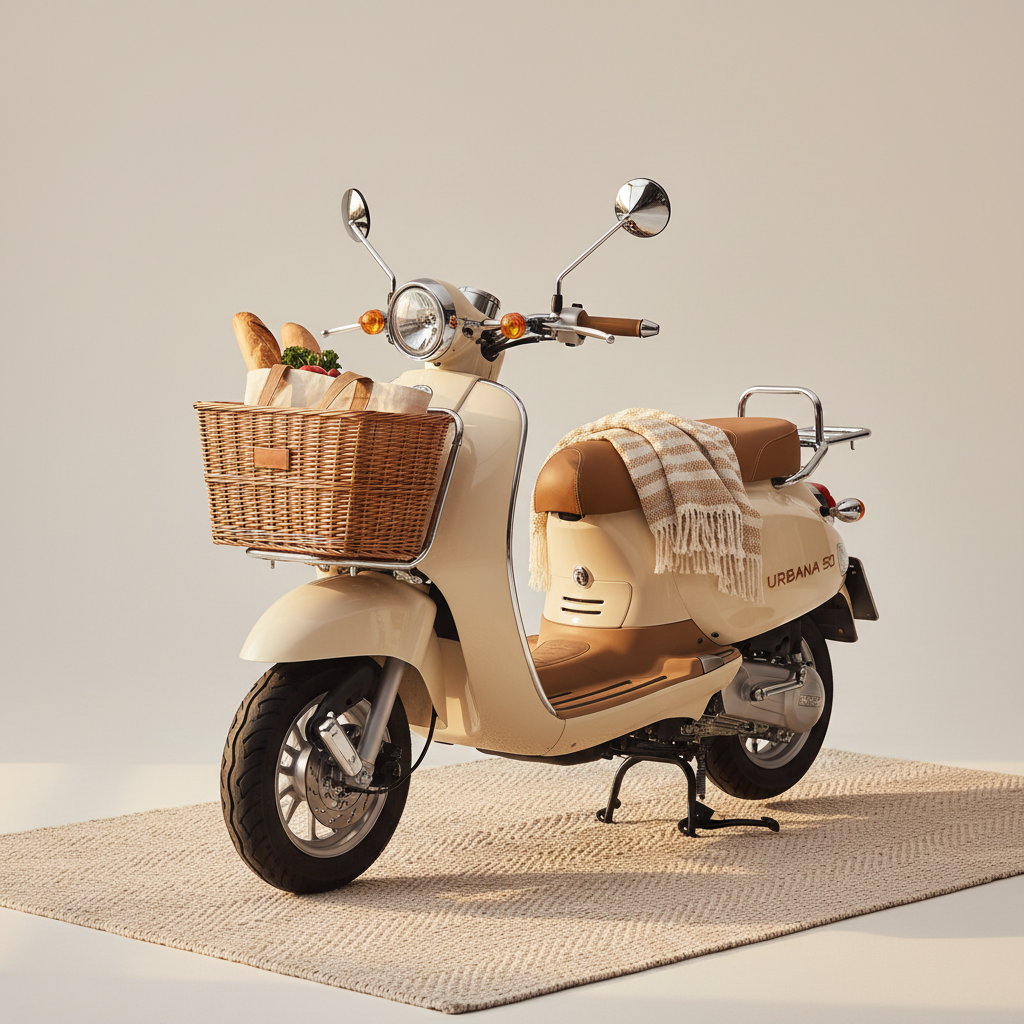
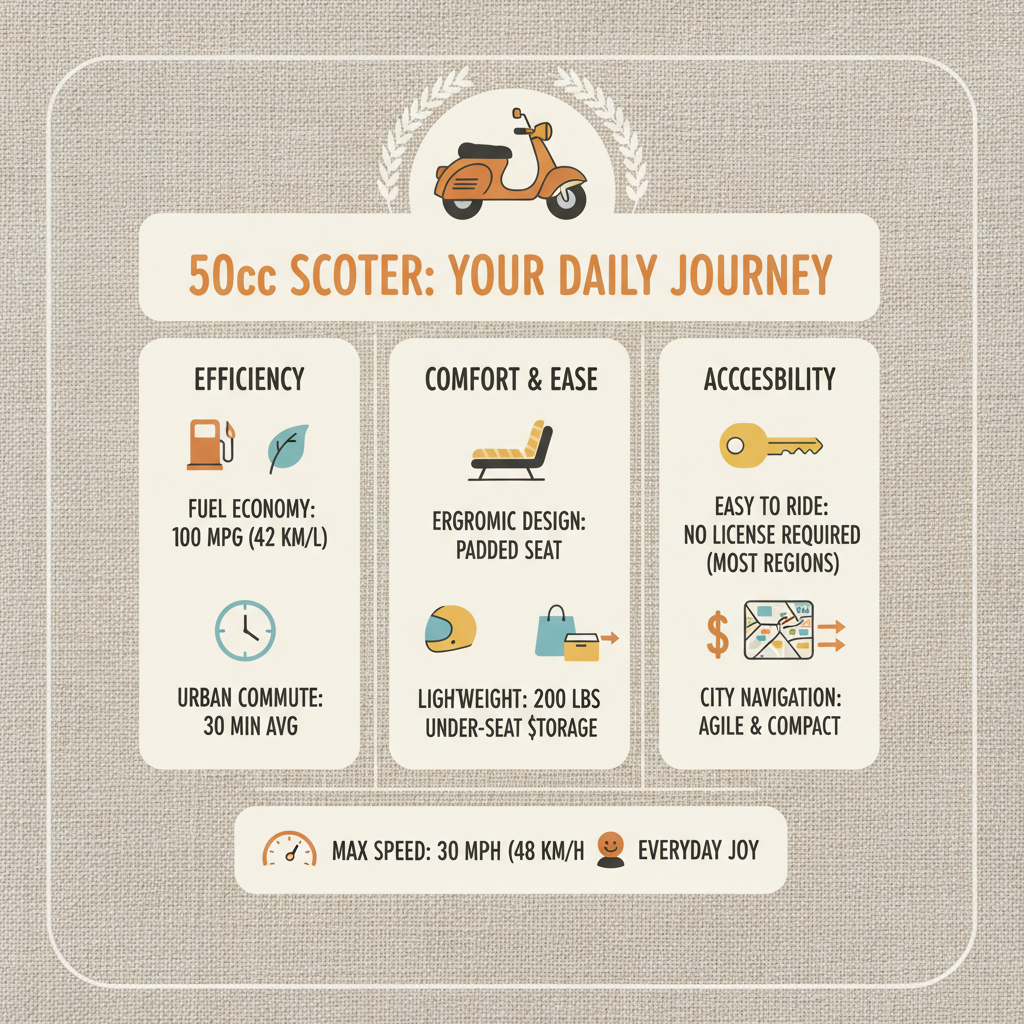
50cc motorcycle scooters represent a sweet spot in personal transportation, offering a balance between affordability, convenience, and accessibility. They are often the first motorized vehicle owned by young riders, providing an entry point into the world of two-wheeled transport. Their lightweight design and ease of handling make them ideal for navigating congested city streets and parking in tight spaces.
These scooters are not simply recreational vehicles; they serve a critical function in providing affordable and efficient transportation for a wide range of users, including commuters, delivery personnel, and students. The versatility of the 50cc motorcycle scooter contributes significantly to its widespread appeal and global presence.
Licensing requirements vary significantly by country and region. In many places, a standard driver's license is sufficient, while others require a specific moped or scooter license. Some jurisdictions may also require insurance and registration. It’s crucial to verify the local regulations before operating a 50cc motorcycle scooter to ensure compliance and avoid legal issues. Proper documentation and adherence to traffic laws are essential for safe and lawful operation.
50cc motorcycle scooters generally require relatively simple maintenance. Regular checks of fluid levels (oil, coolant), tire pressure, and brake function are vital. Oil changes should be performed every 3,000-5,000 kilometers (1,864-3,107 miles). Air filters should be inspected and replaced as needed. Valve adjustments may be required periodically. Following the manufacturer's recommended maintenance schedule ensures longevity and reliable performance.
Generally, 50cc motorcycle scooters are not recommended for highway travel. Their limited engine power and lower top speeds make them unsafe and inefficient for long-distance, high-speed journeys. Highways typically have higher speed limits that exceed the scooter's capabilities, and the increased risk of accidents due to speed differentials is significant. They are best suited for urban commuting and shorter trips on lower-speed roads.
Essential safety gear includes a certified helmet, protective eyewear (goggles or a face shield), gloves, a jacket, and sturdy footwear. Brightly colored or reflective clothing enhances visibility to other road users. Properly fitted gear provides crucial protection in the event of an accident. Prioritizing safety gear significantly reduces the risk of injuries.
A 50cc motorcycle scooter is significantly more fuel-efficient than a typical car. Scooters can achieve fuel economy of over 60 kilometers per liter (140 mpg), while most cars average around 10-15 kilometers per liter (23-35 mpg). This substantial difference results in lower fuel costs and a reduced environmental footprint. The scooter’s smaller engine size and lighter weight contribute to its superior fuel efficiency.
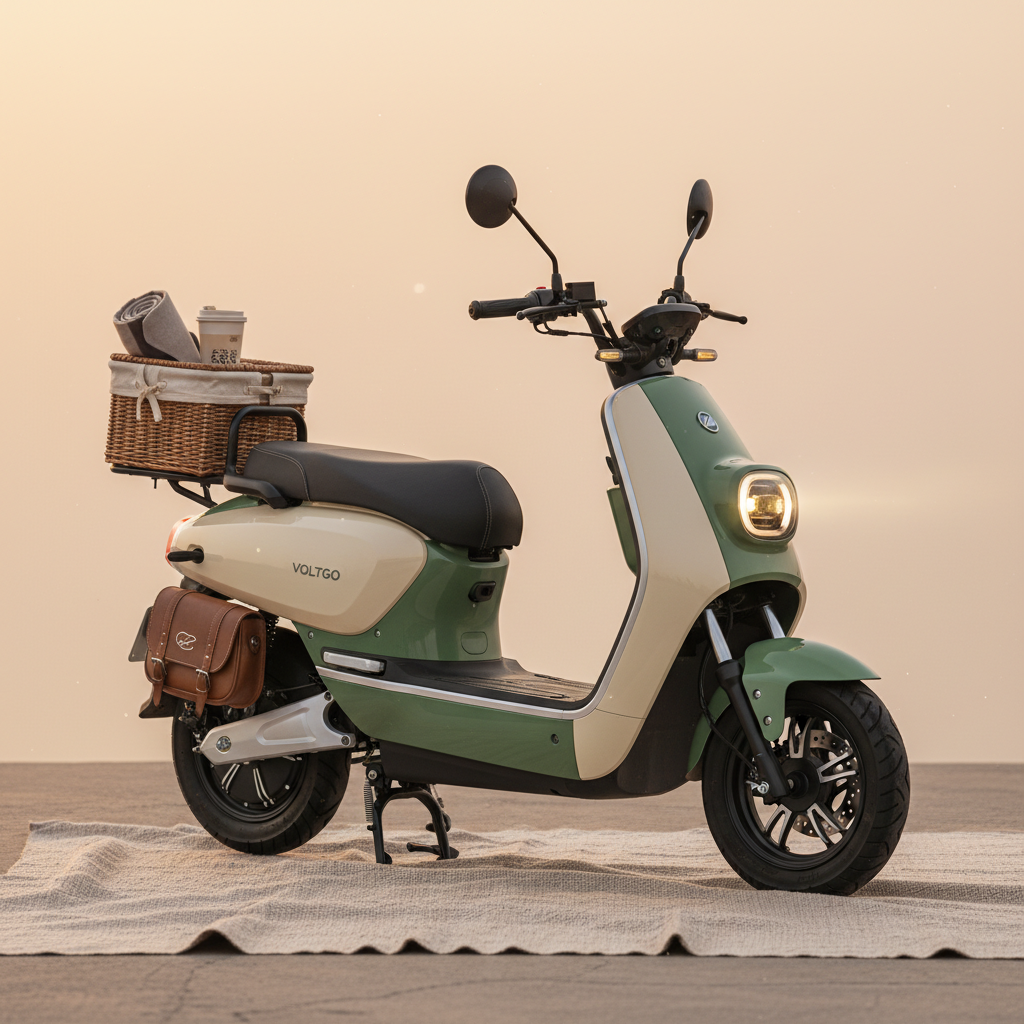
Many 50cc motorcycle scooters offer under-seat storage compartments, providing space for a helmet, small bags, or personal items. Some models also feature front storage baskets or glove boxes. Larger scooters may include rear cargo racks for carrying additional items. These storage options enhance the scooter’s practicality for everyday use, allowing riders to transport essential belongings conveniently.
In conclusion, the 50cc motorcycle scooter offers a compelling solution to a variety of transportation challenges, combining affordability, efficiency, and accessibility. Its versatility allows it to serve diverse needs, from urban commuting to disaster relief, while its relatively low environmental impact makes it a sustainable choice. Understanding its characteristics, applications, and future trends is vital for maximizing its benefits.
Looking ahead, continued innovation in electric powertrains, digital connectivity, and sustainable materials will further enhance the appeal of the 50cc motorcycle scooter. Embracing these advancements and implementing appropriate regulations will unlock its full potential and contribute to more efficient, equitable, and sustainable transportation systems worldwide. Visit our website at www.dhelectrickidcar.com to learn more.