To be honest, the whole industry’s been buzzing about miniaturization lately. Everything's gotta be smaller, lighter, more efficient. Folks are shoving more and more tech into less space. It’s… ambitious. You see it in everything from the motors to the controllers. Makes life interesting, that’s for sure. Makes my back hurt too, bending over those tiny screws all day.
Have you noticed how everyone assumes ‘streamlined’ automatically means ‘better’? It’s a trap, I tell ya. A big, shiny trap. You simplify too much, and you lose robustness. I’ve seen too many designs where they’ve shaved off a millimeter here, a gram there, and then the whole thing falls apart under actual stress. Forget the lab tests, I’m talking real-world abuse. Rain, dust, a worker accidentally dropping it…that's the real test.
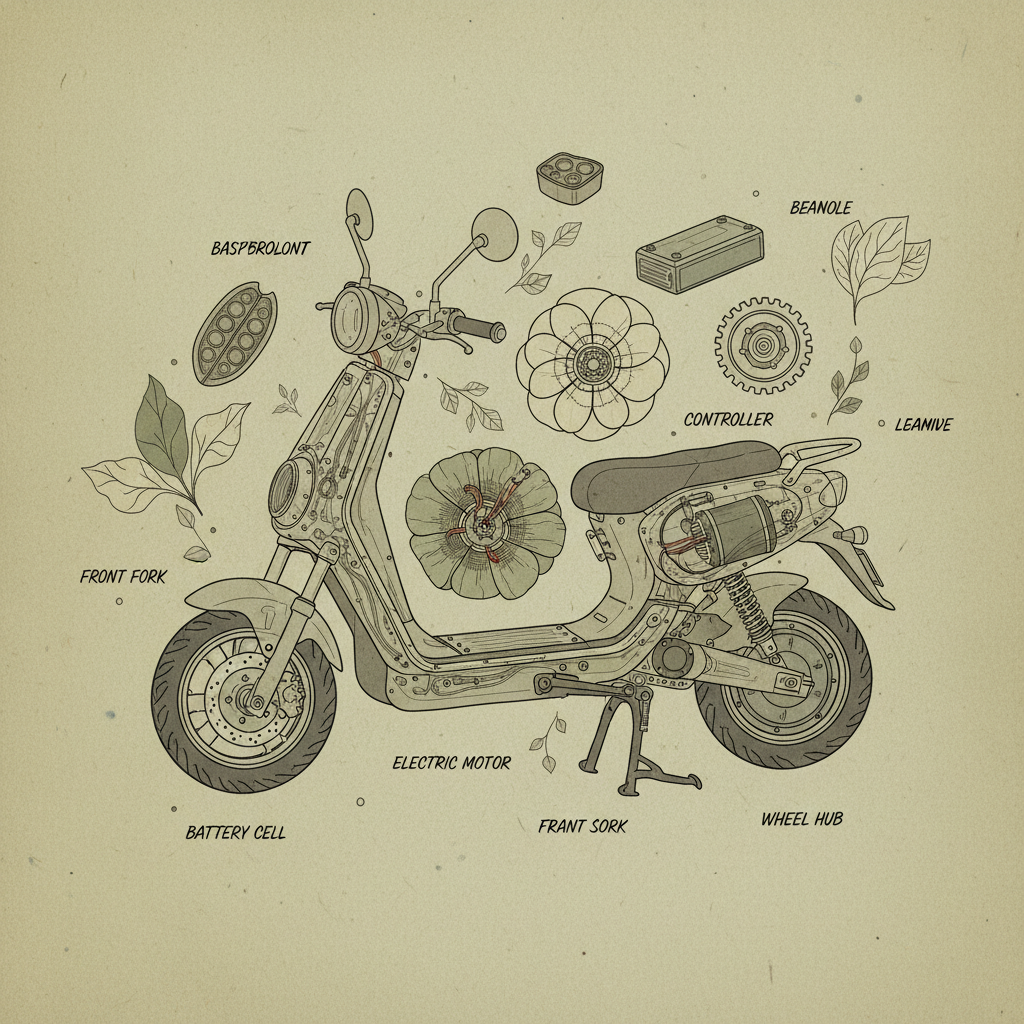
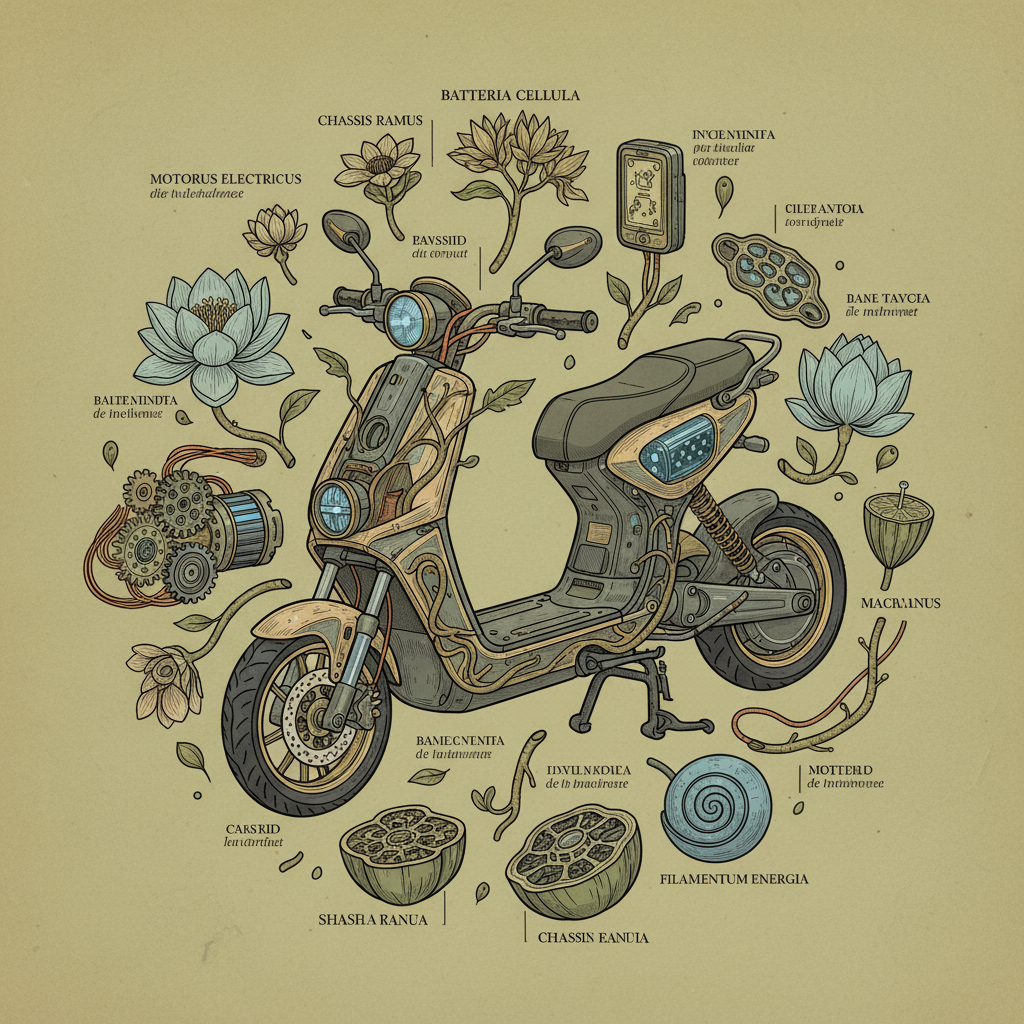
And speaking of real-world, let’s talk materials. We’re using a lot of 6061 aluminum for the frames these days – feels good in the hand, solid. Not too heavy. You can smell the machining oil on it still when it first arrives from the factory. Then there’s the polycarbonate for the body panels. It’s tough stuff, resists cracking, but it scratches easily. We tried ABS once… terrible. It felt cheap, warped in the sun. The wiring harnesses? That's where it gets tricky. We've gone with automotive-grade silicone for the insulation. You need that flexibility, especially with all the vibration.
Strangely enough, everyone is chasing the same specs – longer range, faster charging, smaller size. It's all well and good, but the practicalities… forget about it. I encountered this at a battery factory last time. They were bragging about a new solid-state battery with incredible energy density. Sounded fantastic until I asked about cycle life under heavy use. Turns out, it degraded pretty quickly. Showpiece technology, not ready for prime time.
And the software! Don’t even get me started. Everyone wants Bluetooth connectivity, app control, over-the-air updates… it's all a headache waiting to happen. The more complex the system, the more things that can go wrong. We’ve spent weeks debugging firmware glitches that caused random shutdowns. It’s a nightmare.
Honestly, it depends. A lot. Usage patterns, charging habits, climate – they all play a role. But generally, you can expect around 500-1000 charge cycles before you start to see significant degradation. That translates to roughly 3-5 years of regular use. We're seeing improvements in battery technology all the time, though, so that number is slowly increasing.
It depends on your skillset. Basic maintenance – tire changes, brake adjustments – you can probably handle yourself. But anything involving the battery, motor, or electrical system is best left to a qualified technician. Messing with those components can be dangerous, and you could void your warranty. Plus, you need specialized tools.
Most modern electric motorcycle scooters are reasonably weather resistant. They're typically rated to IPX4 or IPX5, which means they can withstand splashes of water. But they’re not waterproof. Avoid riding in heavy rain or submerging the scooter in water. Saltwater is particularly corrosive. Always dry it off thoroughly after riding in wet conditions.
That’s the big question, isn’t it? Charging infrastructure is still developing. In major cities, it’s becoming more common. But in rural areas, it can be a challenge. You’ll often need to rely on standard wall outlets, which can take several hours to fully charge the battery. Portable chargers are becoming increasingly popular, but they’re still expensive.
Many governments offer incentives to encourage the adoption of electric vehicles, including electric motorcycle scooters. These incentives can include tax credits, rebates, and reduced registration fees. The availability and amount of the incentives vary depending on your location, so it’s worth checking with your local authorities.
Oh boy. Honestly, it’s the little things. Wiring harnesses not being quite long enough, connectors not clicking in properly, the plastic trim not fitting flush. It’s rarely a major component failure. It’s always the details. That’s why quality control is so critical. You have to catch those issues before they leave the factory.
So, there you have it. Electric motorcycle scooters are a rapidly evolving technology with a lot of potential. They’re not a silver bullet, but they offer a viable alternative to gasoline-powered scooters for many people. They’ve got their quirks and shortcomings, but the benefits – reduced emissions, lower running costs, quiet operation – are undeniable.
Ultimately, whether this thing works or not, the worker will know the moment he tightens the screw. It all comes down to real-world reliability and ease of use. If it doesn't feel solid, if it doesn't perform as expected, it doesn't matter how fancy the technology is. And if you’re looking for a reliable electric motorcycle scooter, come check us out at www.dhelectrickidcar.com.